How To Prep Veggies For The Week (Storage Times)
At a Glance To prep vegetables for the week, wash and dry them thoroughly, then chop and store each type according to its specific storage time guidelines to maximize freshness. Leafy greens last 3–5…
To prep vegetables for the week, wash and dry them thoroughly, then chop and store each type according to its specific storage time guidelines to maximize freshness. Leafy greens last 3–5 days when stored with a paper towel in a sealed container, while root vegetables like carrots and beets can stay crisp for up to two weeks when kept in a damp cloth or water. Using airtight containers and understanding which vegetables are best prepped just before cooking—such as mushrooms and avocados—reduces waste and ensures you always have ready-to-use produce.
Want to make healthy eating easier during a busy week? Getting your vegetables ready ahead of time is a smart move that saves you precious minutes when you’re tired or rushed. Knowing How to Prep Veggies for the Week (Storage Times) means you can grab pre-chopped carrots for snacks, washed lettuce for salads, or sliced onions for quick stir-fries.
This simple step helps you eat healthier meals more often and reduces food waste, so you get the most out of your groceries and feel great about your choices. Let’s look at the best ways to get your veggies organized.
Key Takeaways
- Properly storing prepped vegetables extends their freshness and keeps them ready to use.
- Different vegetables require specific preparation and storage methods to last longer.
- Washing and drying vegetables thoroughly before storing prevents spoilage.
- Using the right containers, like airtight bags or sealed containers, is crucial for maintaining quality.
- Understanding storage times helps you plan meals and reduce food waste effectively.
- Some vegetables are best prepped right before cooking, while others can be done days in advance.

Get Your Kitchen Ready for Veggie Prep
Before you start chopping, having the right tools makes the job much easier. A good set of knives, a sturdy cutting board, and some airtight containers or reusable bags are essential. You’ll also want paper towels or clean kitchen towels for drying produce.
Having everything at hand means you can prep your veggies quickly and efficiently without searching for things.
Having a clear space to work is also important. Clear off your counters so you have room to chop, wash, and organize. This makes the whole process less stressful and more enjoyable.
It’s about setting yourself up for success so that prepping veggies becomes a helpful habit, not a chore.

Washing and Drying: The First Step to Freshness
The first thing you should do with most vegetables is wash them. Even if they look clean, washing removes dirt, pesticides, and bacteria. Rinse them under cool running water.
For leafy greens, you might need to soak them in a bowl of water and then rinse them well.
Drying is just as important as washing. Excess moisture is the enemy of fresh produce. It encourages mold and bacteria to grow, making your prepped veggies spoil much faster.
Use clean paper towels or a soft kitchen towel to pat them dry thoroughly. For leafy greens, a salad spinner is a great tool to remove most of the water.
Second, make sure everything is completely dry before storing. Any lingering water can speed up decay. This step is crucial for extending the life of your prepped produce.
Proper drying is a key part of How to Prep Veggies for the Week (Storage Times).
Prepping and Storing Leafy Greens
Leafy greens like spinach, kale, lettuce, and chard are popular but can wilt quickly if not stored properly. After washing and drying them thoroughly, you can store them in a few ways.
One popular method is to line an airtight container with paper towels. Place the dry greens inside, then cover them with another paper towel. This helps absorb any extra moisture that might be released.
Seal the container tightly and store it in the refrigerator. This method can keep greens fresh for up to a week.
Another option is to store them in a reusable produce bag designed to keep greens fresh. These bags often have vents to allow for air circulation. Again, ensure the greens are completely dry before bagging them.
This is a simple way to manage How to Prep Veggies for the Week (Storage Times) for your salads.

Chopping and Storing Root Vegetables
Root vegetables like carrots, potatoes, sweet potatoes, and beets are quite hardy. For carrots, you can peel them and then chop them into sticks or coins. Store these in an airtight container filled with a little water.
This keeps them crisp. Change the water every couple of days to maintain freshness.
Potatoes and sweet potatoes are a bit different. It’s generally best to store them unpeeled and unchopped until you’re ready to use them. If you must chop them ahead, store them in an airtight container submerged in water.
This prevents them from turning brown. However, they are best used within 2-3 days when prepped this way.
Beets can be roasted or boiled ahead of time. Once cooked and cooled, peel them and store them in an airtight container in the refrigerator. They will last for about 4-5 days.

Preparing and Storing Cruciferous Vegetables
Broccoli, cauliflower, Brussels sprouts, and cabbage are part of the cruciferous family. They are quite forgiving when it comes to pre-prepping.
For broccoli and cauliflower, you can cut them into florets. Store them in an airtight container or a reusable produce bag in the refrigerator. They should stay fresh for about 5-7 days.
Avoid washing them until just before you plan to cook them, as excess moisture can reduce their lifespan.
Brussels sprouts can be trimmed and stored whole in a similar fashion. Cabbage can be shredded or kept whole. If shredded, store it in an airtight container.
Whole cabbage will last much longer, but shredded cabbage is convenient for quick meals and can last about 5 days when stored properly.
Onions, Garlic, and Peppers: What to Prep Now
Onions and garlic are best stored whole in a cool, dark, dry place. However, if you need them ready to go, you can chop onions ahead of time. Store chopped onions in an airtight container in the refrigerator.
They will last about 5-7 days, but their flavor might become a bit milder over time.
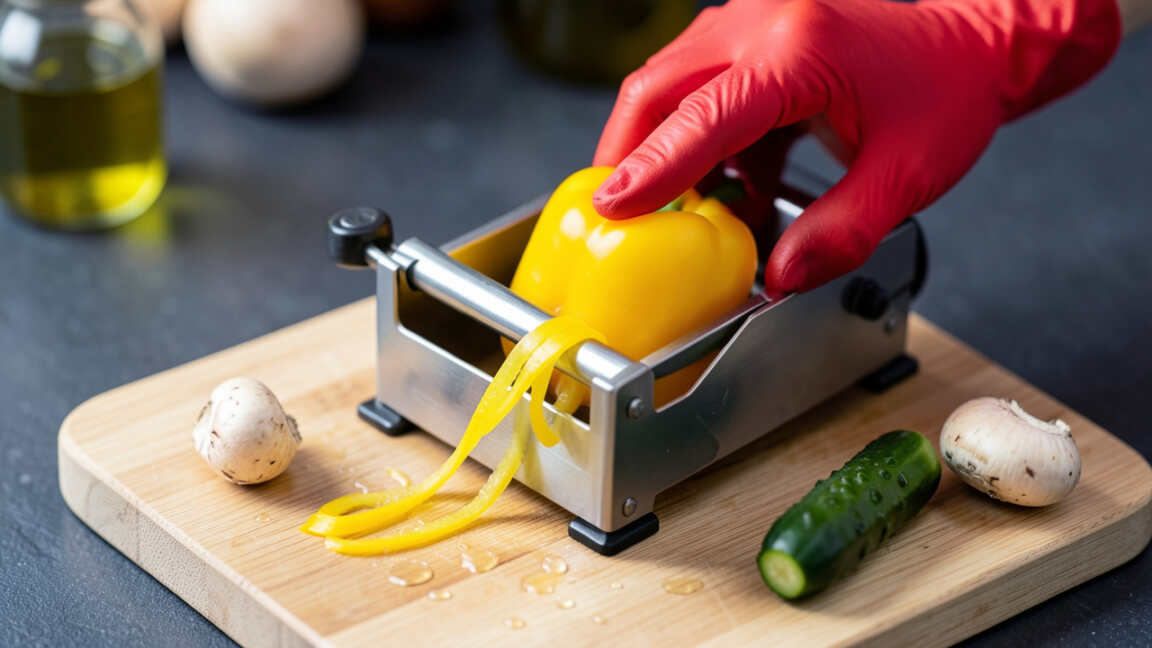
Bell peppers can be washed, seeded, and chopped into strips or diced. Store them in an airtight container in the refrigerator. They typically last for 5-7 days.
Their crispness may slightly decrease over time, but they are still perfectly fine for cooking.
Chiles and jalapeños can also be prepped by removing seeds and chopping. Store them in a small airtight container. They will stay good for about a week.

Storing Prepped Veggies: Containers and Times
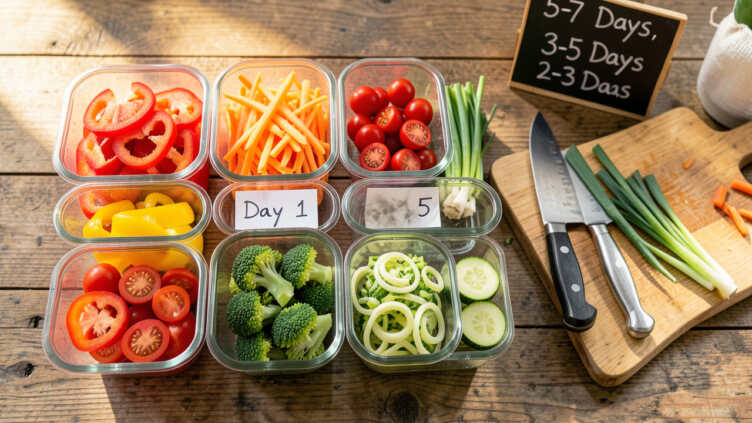
The right container is key to successful veggie prep. Airtight containers are your best friend. They prevent vegetables from drying out and also stop them from absorbing odors from other foods in the fridge.
Glass or BPA-free plastic containers work well.
Reusable produce bags, especially those designed for freshness, are also excellent. They allow for some air circulation while still protecting the veggies. For items like carrots or celery sticks that you want to keep extra crisp, storing them submerged in a bit of water in a sealed container is a great trick.
Understanding the storage times is crucial for How to Prep Veggies for the Week (Storage Times). Here’s a general guide:
This table gives a good overview for How to Prep Veggies for the Week (Storage Times). Remember, these are estimates. Always check your produce for signs of spoilage before using.

Veggies Best Prepped Just Before Cooking
While prepping ahead saves time, some vegetables lose their best texture or flavor if chopped too far in advance. These are often best prepped right before you cook them.
For example, avocados turn brown very quickly once cut. It’s best to cut them just before serving. Mushrooms can also become slimy if stored cut for too long; it’s usually better to wipe them clean and slice them when needed.
Corn on the cob can be a little tricky. While you can shuck it ahead and store the kernels, the sweetness tends to fade. It’s often best to cook it whole soon after buying.
Asparagus can be stored upright in a jar with a little water in the fridge, but once trimmed and cut, it starts to lose its crispness faster. So, for the best results, trim and cut asparagus just before you cook it.
Tips for Maximum Freshness
Here are some extra tips to help your prepped veggies stay fresh longer. This is all about mastering How to Prep Veggies for the Week (Storage Times).
- Don’t overcrowd containers: Give your veggies some breathing room. Overcrowding can trap moisture and lead to faster spoilage.
- Label and date your containers: This helps you keep track of what you have and when you prepped it. It’s a simple step that prevents food waste.
- Store in the right part of the fridge: Crisper drawers are designed to maintain humidity levels. Use them for your prepped veggies.
- Avoid washing berries until ready to eat: Berries are delicate and wash off easily. Washing them ahead of time can make them moldy faster.
- Some veggies benefit from a quick blanch: For things like green beans or broccoli that you plan to freeze or use in dishes where they’ll be cooked extensively, a quick blanch can help preserve color and texture.
Next, consider how you’ll use the veggies. If you’re making a soup, you might chop onions and carrots together. For a salad, you’ll want lettuce and other greens separate from harder vegetables.
Then, remember that the goal is to make your life easier. If prepping a certain vegetable ahead of time doesn’t yield good results, or if it feels like too much work, just prep what you can and leave the rest for cooking day.

When to Prep and When to Chop Fresh
The decision of How to Prep Veggies for the Week (Storage Times) depends on the vegetable and your schedule. For busy weekdays, prepping things like carrots, celery, bell peppers, and broccoli on Sunday can be a lifesaver.
Onions and garlic are often best chopped fresh for the most pungent flavor, but pre-chopped onions are fine for many dishes. Leafy greens are almost always better prepped ahead for quick salads and additions to meals.
If you have a bit more time, you can prep a wider range of vegetables. If you’re really short on time, focus on just a few key items that you use most often. Even prepping just one or two types of vegetables can make a noticeable difference in your week.
Finally, think about your meal plan. If you know you’ll be making a stir-fry on Tuesday, prepping your peppers and onions on Sunday makes perfect sense. If you’re having a salad on Wednesday, get your lettuce washed and dried.
Frequently Asked Questions
How long do prepped carrots last in the fridge?
Prepped carrots, when chopped and stored submerged in water in an airtight container, can last for about 5 to 7 days. Remember to change the water every couple of days.
Is it better to wash vegetables before or after chopping?
It’s generally best to wash vegetables before chopping. However, for some items like leafy greens, washing and then thoroughly drying them before storing is key. For others, like potatoes or onions, washing before chopping is fine, but thorough drying is essential, or they are best left unwashed until use.
Can I freeze prepped vegetables?
Yes, many vegetables can be frozen after prepping. For best results, blanch them first, then cool them quickly in ice water before freezing them in airtight containers or bags. This helps preserve their texture and color.
What is the best way to store prepped broccoli for a week?
To store prepped broccoli florets for a week, wash and dry them thoroughly, then place them in an airtight container or a reusable produce bag. Store them in the crisper drawer of your refrigerator. They should last about 5-7 days.
Why do my prepped vegetables go bad so quickly?
Prepped vegetables may go bad quickly due to excess moisture, improper storage containers, or not being dried sufficiently after washing. Ensure you’re using airtight containers and drying everything very well before storage for better How to Prep Veggies for the Week (Storage Times).
Which vegetables should I NOT prep ahead of time?
Vegetables like avocados, mushrooms, and corn on the cob are often best prepped right before cooking. They can lose their texture, flavor, or turn brown quickly when chopped and stored.
Final Thoughts
Getting your vegetables ready for the week ahead is a simple habit that pays off big. By knowing How to Prep Veggies for the Week (Storage Times), you save time, eat healthier, and waste less food. Focus on washing, drying, and using the right storage to keep your produce fresh and ready.