How To Descale An Ice Maker With Vinegar Or Citric Acid
At a Glance Descaling an ice maker with vinegar or citric acid effectively removes mineral deposits that cause cloudy ice and off-flavors. Vinegar works as a mild acid that dissolves limescale but may…
Descaling an ice maker with vinegar or citric acid effectively removes mineral deposits that cause cloudy ice and off-flavors. Vinegar works as a mild acid that dissolves limescale but may leave a lingering odor, while citric acid is faster-acting and virtually odorless when properly rinsed. For built-in models, the process involves running a cleaning solution through the water line and then flushing with multiple cycles of fresh water. Portable ice makers require emptying the reservoir, adding the cleaning solution, running a cycle, and rinsing thoroughly, with descaling recommended every three to six months to maintain optimal performance.
Keeping your ice maker clean is super important for tasty, pure ice. If you’ve ever noticed off-flavors or cloudy ice, it’s probably mineral buildup. Learning How To Descale An Ice Maker With Vinegar Or Citric Acid means you can easily get rid of these deposits.
This simple cleaning process not only makes your ice taste better but also helps your ice maker run more efficiently and last longer. We’ll show you how to do it step-by-step.
Key Takeaways
- Mineral buildup affects ice taste and machine performance.
- Vinegar and citric acid are effective, safe descaling agents.
- Regular cleaning prevents costly repairs and extends ice maker life.
- You’ll learn simple steps for cleaning both built-in and portable ice makers.
- Proper rinsing is vital after descaling to remove any cleaning solution taste.
Why Cleaning Your Ice Maker Matters
Nobody wants ice that tastes like old pipes or chemicals. Mineral deposits, often called limescale, build up inside your ice maker over time. This happens because water naturally contains minerals like calcium and magnesium.
When water evaporates or freezes, these minerals are left behind. Over time, they form a hard, white scale. This scale can clog water lines and dispensers.
It also leaches into your ice, giving it an unpleasant taste and smell.
Both vinegar and citric acid are effective and food-safe when rinsed thoroughly, but citric acid has a less noticeable odor.
Regular descaling prevents mineral buildup that can clog water lines and affect ice taste. Schedule a cleaning every three to six months for best results.
Beyond taste, this buildup can seriously harm your ice maker. It makes the machine work harder to produce ice. This means more energy use and more wear and tear on its parts.
Eventually, a heavily scaled machine can break down. Fixing these issues can be expensive. By learning How To Descale An Ice Maker With Vinegar Or Citric Acid, you can avoid these problems.
Regular descaling keeps your ice tasting fresh and your machine running smoothly.
Vinegar vs. Citric Acid for Descaling
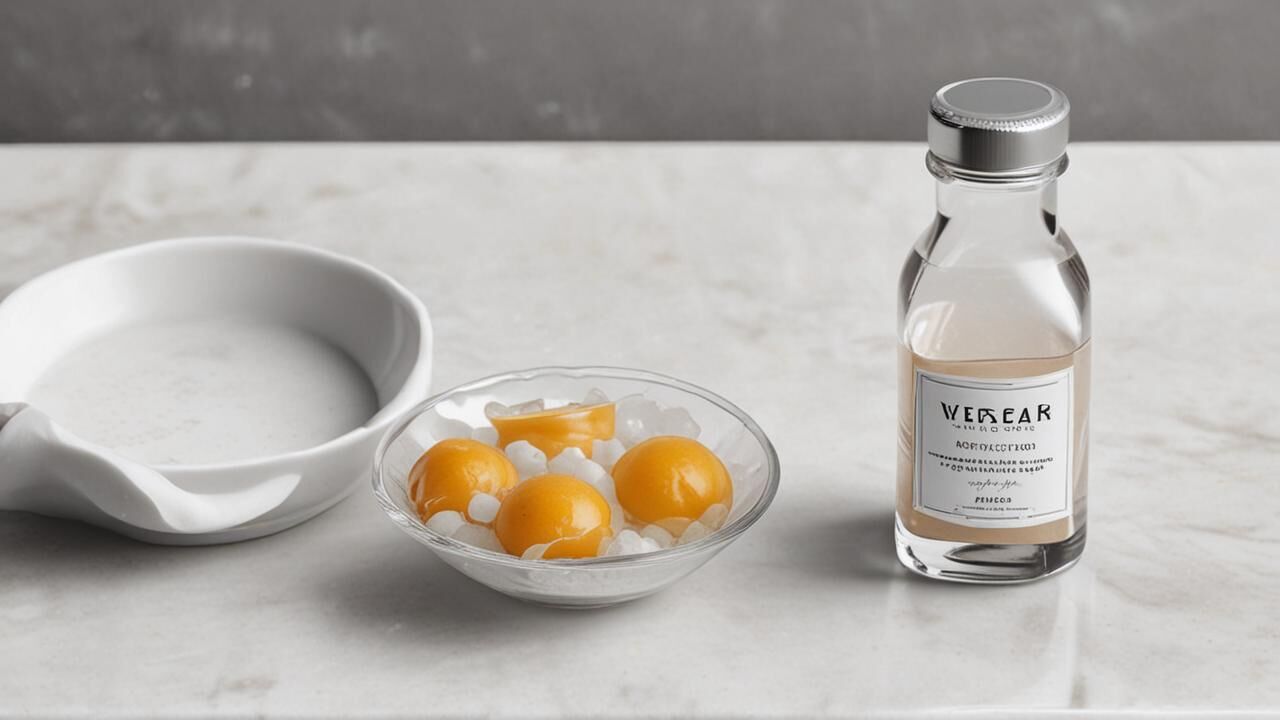
When it comes to cleaning mineral deposits, vinegar and citric acid are popular choices. They are both natural acids that break down limescale effectively. They are also generally safe for food contact surfaces when rinsed properly.
Choosing between them often comes down to personal preference or what you have on hand.
Citric acid is less likely to leave a strong odor, but it's still important to flush the system well with several clean water cycles afterward.
Both options are great for understanding How To Descale An Ice Maker With Vinegar Or Citric Acid. You can’t go wrong with either, but citric acid offers a less pungent cleaning experience. If you’re sensitive to smells, citric acid might be your preferred choice.
If you need to clean it right now and only have vinegar, that works perfectly too.
How to Descale a Built-In Ice Maker
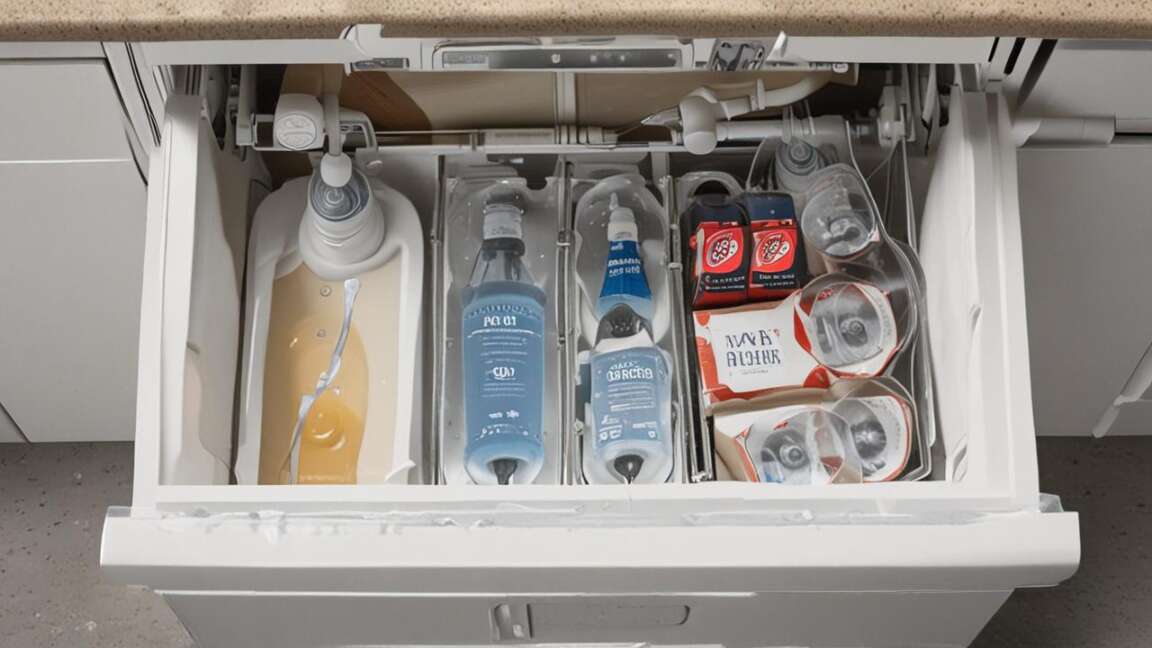
Built-in ice makers are usually part of your refrigerator. The process is similar to cleaning a portable one, but you’ll need to access the water reservoir and ice bin. Always unplug the appliance before you start cleaning.
This is a crucial safety step.
First, empty the ice bin completely. Discard any old ice. Next, locate the water reservoir.
This might be a tank or a connection point. You’ll need to consult your ice maker’s manual if you’re unsure. Once located, you’ll prepare your cleaning solution.
Using Vinegar for Built-In Ice Makers
For vinegar, mix equal parts white vinegar and water. For example, use 2 cups of vinegar and 2 cups of water. Pour this solution into the water reservoir.
If your ice maker has a filter, remove it before cleaning. Some filters can be damaged by cleaning solutions. Follow the manufacturer’s instructions for filter removal and replacement.
Second, run the ice maker through a few cycles with the cleaning solution. Let it make ice for about 30 minutes. Then, discard all the ice it produces.
Let the vinegar solution sit in the water tank for about an hour after the initial cycle to effectively break down stubborn limescale.
This ice will likely have a strong vinegar smell and taste. You want to flush out the system thoroughly. Repeat this process if you see or smell any remaining scale or vinegar.
Using Citric Acid for Built-In Ice Makers
If you’re using citric acid, mix about 1 tablespoon of citric acid powder with 4 cups of water. Stir until the powder dissolves completely. Pour this mixture into the water reservoir.
Again, remove any water filter first.
Next, allow the ice maker to run for about 30 minutes with the citric acid solution. Discard all the ice made during this time. Citric acid is less likely to leave a strong odor, but it’s still important to flush the system well.
Run a few more cycles with clean water afterward to ensure no residue remains.
Finally, after using either vinegar or citric acid, run several cycles with fresh, clean water. This step is vital to remove any lingering cleaning solution taste or smell. You want your ice to be pure and refreshing.
This is a key part of How To Descale An Ice Maker With Vinegar Or Citric Acid.
How to Descale a Portable Ice Maker
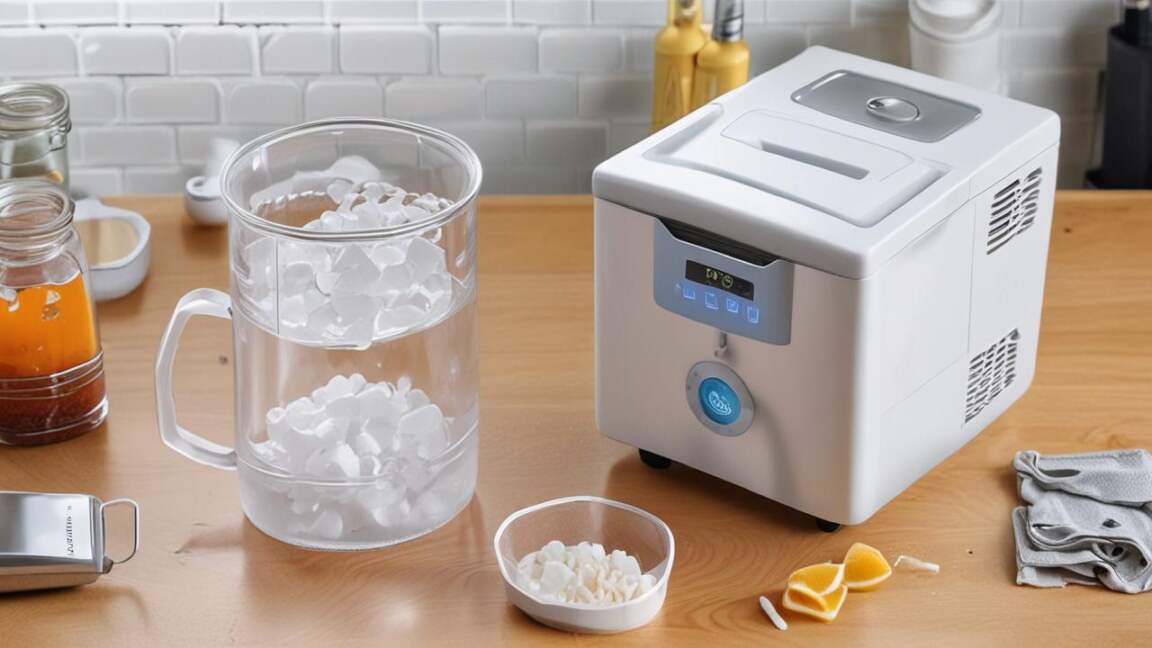
Portable ice makers are simpler to clean because they are self-contained units. The process is generally straightforward and doesn’t require accessing internal refrigerator parts.
First, unplug the portable ice maker. Remove any ice that is currently in the ice bin. Also, remove the ice scoop.
Wash the ice bin and scoop separately with warm, soapy water. Rinse them thoroughly and set them aside to dry.
Cleaning with Vinegar
In the water tank of your portable ice maker, pour a mixture of equal parts white vinegar and water. For a standard portable ice maker, this might be around 4 cups of vinegar and 4 cups of water. Make sure the solution level doesn’t exceed the maximum fill line indicated on the tank.
Second, turn on the ice maker and let it run for about 15-20 minutes. This allows the vinegar solution to circulate through the internal components. After this initial run, turn off the machine and let it sit for about an hour.
This soaking time helps the vinegar break down stubborn mineral deposits.
Always check your ice maker's manual and indicator lights before cleaning, as some models have specific descaling instructions.
Cleaning with Citric Acid
For citric acid, mix approximately 1 tablespoon of citric acid powder with 4 cups of water in the ice maker’s water tank. Stir well until the citric acid is fully dissolved. Ensure the water level stays within the recommended limits.
Next, turn on the portable ice maker and let it run for about 15-20 minutes. This circulates the solution. After the circulation period, turn off the machine and let it soak for at least an hour.
This allows the citric acid to work its magic on the limescale.
Then, after soaking, drain the vinegar or citric acid solution from the water tank. Rinse the water tank thoroughly with clean water. You might want to use a damp cloth to wipe down the inside of the tank and any visible parts.
This helps remove any loosened scale or residue.
Finally, fill the water tank with fresh, clean water only. Run the ice maker through at least two to three full cycles using just water. Discard all the ice produced during these cycles.
This is essential to flush out any remaining traces of vinegar or citric acid. This ensures your ice is pure and free of any cleaning solution taste. Mastering How To Descale An Ice Maker With Vinegar Or Citric Acid means following these rinsing steps carefully.
When and How Often to Descale
The frequency of descaling depends on your water hardness and how often you use your ice maker. If you have hard water, you’ll need to descale more often. A good rule of thumb is to descale every 3 to 6 months.
Pay attention to your ice maker’s performance. If you notice slower ice production, cloudy ice, or unusual noises, it’s probably time for a cleaning. Some ice makers have indicator lights that signal when cleaning is needed.
Beyond descaling, regularly washing the ice bin and checking the water filter helps maintain optimal ice quality and machine longevity.
Always refer to your ice maker’s manual for specific recommendations from the manufacturer.
Ignoring regular cleaning can lead to serious issues. It’s much easier and cheaper to perform routine maintenance than to deal with a broken machine. Understanding How To Descale An Ice Maker With Vinegar Or Citric Acid is a simple skill that saves you time and money in the long run.
Tips for Maintaining Your Ice Maker
Descaling is a critical part of ice maker maintenance, but there are other things you can do to keep it in top shape. These simple habits will help ensure you always have clean, fresh ice.
- Clean the Exterior Regularly: Wipe down the outside of your ice maker with a damp cloth. This keeps it looking good and prevents dust buildup.
- Wash the Ice Bin: As mentioned, regularly remove and wash the ice bin and scoop with mild soap and water. Let them air dry completely before putting them back.
- Check the Water Filter: If your ice maker has a water filter, replace it according to the manufacturer’s recommendations. A clogged filter restricts water flow and can affect ice quality.
- Sanitize Periodically: Beyond descaling, you might want to sanitize your ice maker occasionally. Some manufacturers offer specific sanitizing solutions, or you can use a diluted bleach solution (followed by thorough rinsing). Always check your manual first.
- Ensure Proper Ventilation: Make sure your ice maker has adequate airflow around it. This helps prevent overheating and ensures efficient operation.
By incorporating these tips into your routine, you’ll maximize the lifespan of your ice maker. You’ll also consistently enjoy clean, great-tasting ice. Knowing How To Descale An Ice Maker With Vinegar Or Citric Acid is a fantastic start to keeping your appliance in prime condition.
Frequently Asked Questions
How often should I descale my ice maker?
It’s generally recommended to descale your ice maker every 3 to 6 months. If you have very hard water, you may need to do it more often. Watch for signs like slow ice production or cloudy ice.
Can I use apple cider vinegar to descale my ice maker?
While apple cider vinegar is acidic, it’s best to use plain white vinegar for descaling. White vinegar is more effective at breaking down mineral deposits and has a cleaner scent profile for cleaning purposes.
What happens if I don’t descale my ice maker?
Not descaling can lead to mineral buildup that clogs parts, reduces efficiency, and affects the taste of your ice. It can also cause the machine to break down, leading to costly repairs.
Is citric acid safe for my ice maker?
Yes, food-grade citric acid is safe and effective for descaling ice makers when used according to instructions and thoroughly rinsed afterward. It’s a good alternative to vinegar if you dislike the smell.
How do I know if my ice maker needs descaling?
Signs include slower ice production, cloudy or odd-tasting ice, visible white or chalky deposits, or unusual noises from the machine. Some models also have a cleaning indicator light.
How do I remove a stubborn scale buildup using vinegar or citric acid?
For tougher scale, you can let the vinegar or citric acid solution soak for longer, perhaps 1-2 hours, or repeat the cleaning cycle. Ensure the machine is unplugged during extended soaking times for safety.
Final Thoughts
Keeping your ice maker clean with vinegar or citric acid is a simple but vital task. It ensures your ice is always fresh and your machine works its best. Follow these steps regularly, and you’ll enjoy pure, delicious ice for years to come.