How Long Ice Lasts In A Cooler Vs Ice Maker Bin
At a Glance Ice lasts significantly longer in a cooler than in an ice maker bin, with a well-insulated cooler keeping ice frozen for multiple days while an ice maker bin holds ice for less than 24 hou…
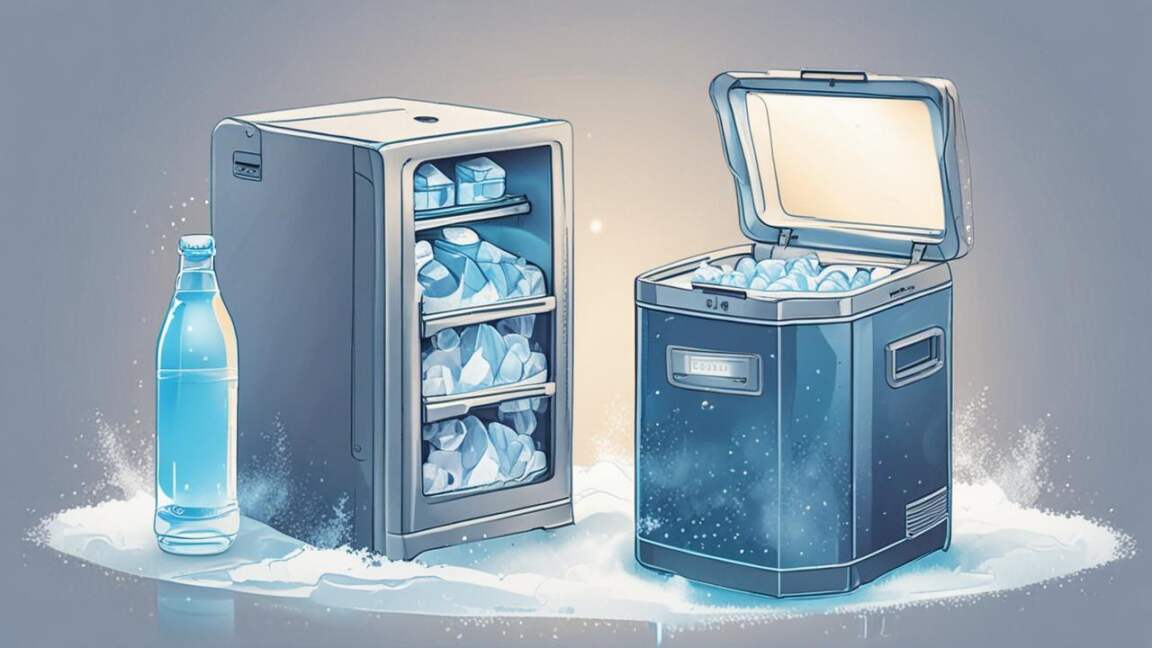
Ice lasts significantly longer in a cooler than in an ice maker bin, with a well-insulated cooler keeping ice frozen for multiple days while an ice maker bin holds ice for less than 24 hours due to its lack of thermal insulation. Coolers are engineered to minimize heat transfer through thick insulation, whereas ice maker bins are designed for convenient, immediate use and rapid ice production rather than long-term storage. Factors such as ambient temperature, sunlight exposure, and the quality of insulation also greatly affect how long ice remains solid in both containers. By recognizing these differences, you can plan effectively—using coolers for extended trips and ice maker bins for quick access at home.
Keeping things cold is super important, whether you’re packing for a picnic or just want to make sure your drinks stay frosty. You’re probably wondering about How Long Ice Lasts In A Cooler Vs Ice Maker Bin. Knowing this helps you plan better, so your food and drinks are always at the perfect temperature.
This knowledge means less worry and more enjoyment, no matter where you are. Let’s break down what makes ice last and how you can get the most out of it.
Key Takeaways
- Coolers can keep ice frozen for days, while ice maker bins are designed for short-term storage.
- Factors like cooler insulation, ice type, and ambient temperature greatly affect how long ice lasts.
- Ice maker bins are convenient for immediate use but don’t preserve ice for extended periods.
- Proper packing and pre-chilling can significantly extend ice life in a cooler.
- Understanding the differences helps you choose the right storage for your needs.
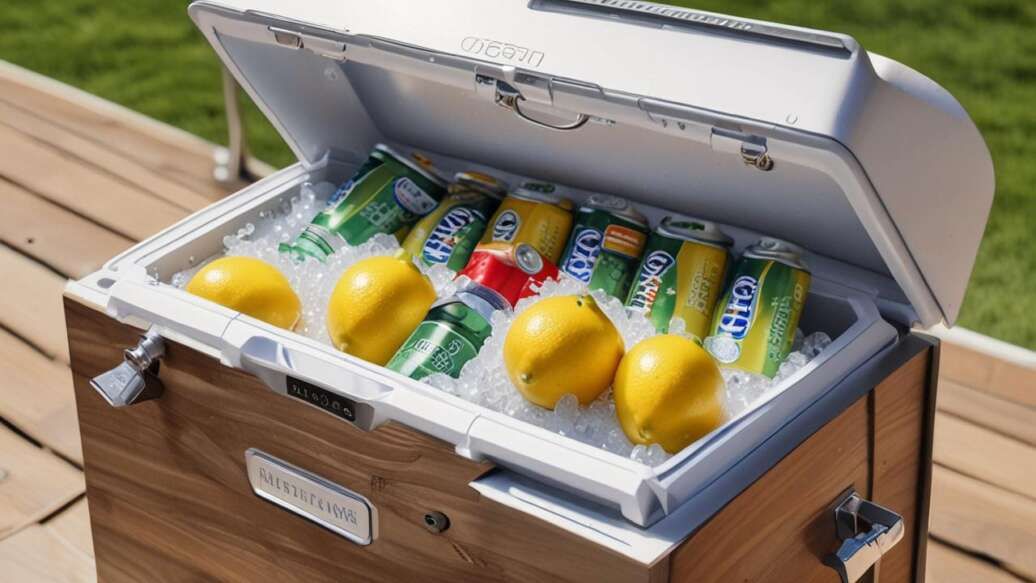
Cooler Ice: A Marathon of Cold
When you think about ice lasting a long time, a cooler often comes to mind. Coolers are built specifically to be insulated. This means they act like a thermos for your ice.
They create a barrier between the cold air inside and the warmer air outside. The better the insulation, the longer your ice will stay solid.
Several things play a role in How Long Ice Lasts In A Cooler Vs Ice Maker Bin. The quality of the cooler is a big one. A cheap, thin-walled cooler won’t keep ice as long as a thick, well-insulated one.
Think of it like wearing a thin jacket versus a heavy winter coat on a cold day. The coat keeps you warmer for longer, and a good cooler keeps ice colder for longer.
The type of ice also matters. Block ice melts much slower than cubed ice. This is because it has less surface area exposed to the air.
If you need ice to last for a multi-day camping trip, block ice is your best bet. Cubed ice is great for drinks because it chills them quickly, but it melts faster.
Ice in an ice maker bin is best used within 12 to 24 hours of being made, as it slowly degrades even in insulated bins.
Pre-chill your cooler with a bag of ice or ice packs before adding your main supply to significantly extend ice life.
The environment where the cooler is placed is another factor. If your cooler sits in direct sunlight on a hot beach, the ice will melt much quicker than if it’s kept in the shade under a tree. Even the temperature of the ice when you put it in the cooler makes a difference.
Pre-chilling your cooler with a bag of ice or some ice packs before adding your main ice supply can help. This gets the cooler itself cold, so it doesn’t have to work as hard to cool down the warm air inside.
How Long Can Ice Really Last in a Cooler?
It’s tough to give an exact number for How Long Ice Lasts In A Cooler Vs Ice Maker Bin because so many things can change the outcome. However, for a good quality cooler, you can expect ice to last anywhere from 24 hours to several days. Some high-end coolers, often called “rotomolded coolers,” are designed for extreme conditions and can keep ice frozen for 5-7 days, sometimes even longer if packed correctly.
For a standard cooler, a good rule of thumb is 1-3 days. If you’re going on a weekend trip, you can likely rely on your cooler to keep ice for the duration. For longer trips, you might need to add more ice mid-way.
This is why planning ahead and knowing what to expect is so helpful.
To maximize the time your ice lasts in a cooler:
- Pre-chill: Put ice or ice packs in the cooler for several hours before you pack your food and drinks.
- Use Block Ice: For longer trips, use large blocks of ice. They melt slower.
- Pack it Tight: Fill the cooler as much as possible. Empty space allows air to circulate and melt the ice.
- Use a Good Cooler: Invest in a cooler with thick, quality insulation.
- Keep it Closed: Open the cooler lid as little as possible. Every time you open it, warm air gets in.
- Keep it in the Shade: Avoid direct sunlight.
- Use a Layer of Ice: Put a layer of ice at the bottom, then your items, then more ice on top.
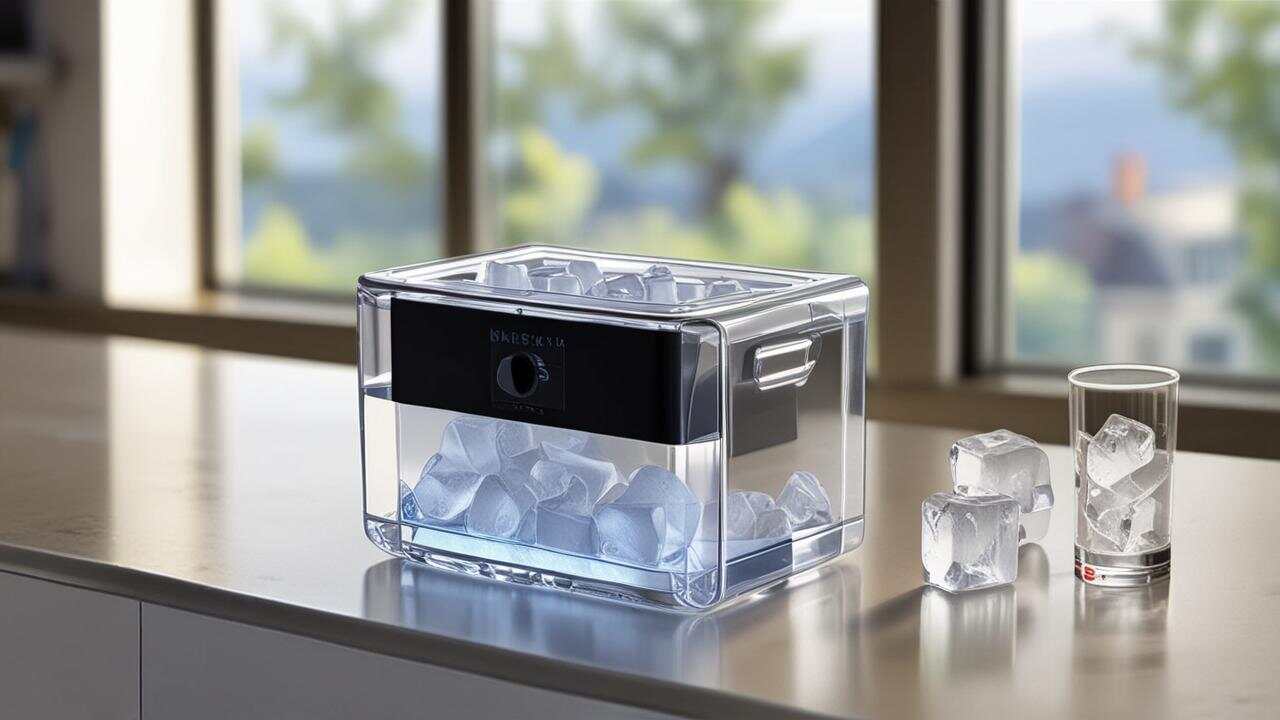
Ice Maker Bins: Designed for Immediate Use
An ice maker bin is a completely different story. Its main job is to hold ice that has just been made by the ice maker. It’s not designed for long-term storage or to keep ice frozen for days on end.
Think of it as a temporary holding area.
Ice maker bins are usually insulated, but not to the same degree as a cooler. They are meant to keep the ice cold enough so it doesn’t melt away immediately after being made. The ice is usually produced in batches, and the bin holds that batch until it’s needed.
If the ice maker is constantly making new ice, it can help keep the ice in the bin solid for a while.
However, if the ice maker stops working or isn’t producing ice, the ice in the bin will start to melt. This is because the bin’s insulation isn’t as robust as a cooler’s. It’s meant for convenience for drinks and immediate use, not for preserving ice for extended periods like a camping trip.
How Long Does Ice Last in an Ice Maker Bin?
The answer to How Long Ice Lasts In A Cooler Vs Ice Maker Bin is quite different here. In an ice maker bin, ice will typically start to melt within a few hours if the ice maker isn’t actively producing more. Some bins have better insulation than others, and if the ambient temperature is cool, the ice might last a bit longer.
But you’re generally looking at ice that is best used within 12-24 hours of it being made, and even then, it will slowly degrade.
Ambient temperature is the single biggest factor affecting ice longevity, regardless of whether it's stored in a cooler or an ice maker bin.
The ice maker’s design also plays a role. Some machines harvest ice and immediately push it into the bin. Others might have a slight delay.
The bin’s capacity also matters; a larger bin can hold more ice, potentially keeping it colder for a bit longer as the sheer volume of ice helps insulate itself.
Here’s a comparison of ice longevity:
Why Ice Maker Bin Ice Melts Faster
The main reason ice melts faster in an ice maker bin compared to a cooler is its design and purpose. Coolers are built for portability and extended cold storage. They have thick walls, often with foam insulation injected between layers.
This creates a very effective barrier against heat transfer.
Ice maker bins, on the other hand, are usually part of an appliance. They need to be accessible and integrate with the ice-making mechanism. While they do have some insulation, it’s typically less substantial.
The seals might also not be as airtight as those on a high-quality cooler. This means more ambient heat can seep into the bin, causing the ice to melt more quickly.
Furthermore, the ice in an ice maker bin is often in smaller, more uniform cubes. While this is great for drinks, it means more surface area is exposed to the air, leading to faster melting compared to larger blocks of ice you might use in a cooler.
Factors Affecting Ice Longevity
When we discuss How Long Ice Lasts In A Cooler Vs Ice Maker Bin, several common factors influence the outcome for both.
Ambient Temperature
This is perhaps the biggest factor. The hotter it is outside, the faster ice will melt, regardless of whether it’s in a cooler or an ice maker bin. On a sweltering summer day, ice will disappear much quicker than on a cool autumn evening.
Sunlight Exposure
Direct sunlight is like a free heater for your ice. If a cooler is left in the sun, its contents will heat up rapidly, and the ice will melt at an accelerated rate. Similarly, if an ice maker bin is located in a very warm room or near a heat source, the ice will suffer.
For any event requiring ice beyond 24 hours, always choose a cooler over an ice maker bin to ensure the ice stays frozen.
Insulation Quality
As mentioned, this is crucial. A cooler with thick, high-density foam insulation will perform far better than one with thin walls. Ice maker bins have some insulation, but it’s generally not as robust as what you’d find in a premium cooler.
Ice Type and Density
Block ice melts slower than cubed ice due to its lower surface area-to-volume ratio. Denser ice, meaning ice that is more solid and less hollow, will also last longer.
How Often It’s Opened
Every time you open a cooler or an ice maker bin, you let warm air in. This warm air transfers heat to the ice, causing it to melt. Minimizing the number of times you open them is key to extending ice life.
Pre-Chilling
Starting with a cold cooler or ice maker bin makes a significant difference. Pre-chilling the container before adding your ice means the ice doesn’t have to work as hard to cool down the container itself. This conserves the ice.
When to Use Which: Cooler vs. Ice Maker Bin
Understanding the differences in How Long Ice Lasts In A Cooler Vs Ice Maker Bin helps you choose the right tool for the job.
Leaving meltwater in a cooler can actually speed up melting because water is warmer than the remaining ice, so drain it when possible.
Choose a Cooler When:
- You need ice to last for extended periods: Think camping trips, beach days, tailgating, or multi-day events.
- Portability is key: Coolers are designed to be carried to different locations.
- You want to keep food and drinks cold for a long time: Coolers are essential for keeping perishables safe.
- You are traveling or going off-grid: Where access to ice or refrigeration is limited.
Choose an Ice Maker Bin When:
- You need ice immediately and regularly: For everyday use in your home kitchen or at a bar.
- Convenience is the priority: Having fresh ice on demand is the main benefit.
- Ice is not needed for more than a day: The ice is for immediate consumption or use within a short timeframe.
- You have a consistent power source: The ice maker needs electricity to produce ice.
It’s important to remember that an ice maker bin is not a substitute for a cooler when it comes to long-term ice preservation. Trying to use ice from an ice maker bin for a long camping trip would likely result in a lot of melted water and warm drinks.
Tips for Maximizing Ice Life in Both
While the primary function differs, you can employ strategies to make ice last longer in both scenarios.
For Coolers:
- Use dry ice strategically: For very long trips, dry ice can keep things frozen solid for days, but handle it with care and ensure proper ventilation.
- Consider ice packs: Reusable ice packs can supplement traditional ice and help maintain colder temperatures.
- Drain meltwater carefully: While some argue keeping a little water helps insulate, generally, draining meltwater when possible helps keep the remaining ice colder longer, as the water is warmer than the ice.
For Ice Maker Bins:
- Keep the lid closed: Just like a cooler, avoid unnecessary opening of the ice maker bin.
- Ensure proper ventilation for the ice maker: Overheating the ice maker can lead to less efficient production and faster melting.
- Clean the bin regularly: A clean bin ensures no impurities are affecting ice quality or melt rate.
Understanding How Long Ice Lasts In A Cooler Vs Ice Maker Bin is about matching the right tool to your needs. A cooler is for preserving ice over time, while an ice maker bin is for readily available ice for immediate use.
Frequently Asked Questions
Can I use ice from my ice maker bin for a picnic that will last all day?
It’s generally not recommended. Ice maker bin ice melts too quickly for all-day outdoor events. A well-insulated cooler filled with block ice is a much better option for picnics.
How can I make ice last longer in my cooler?
To make ice last longer in your cooler, pre-chill it, use block ice, pack it tightly, keep it in the shade, and open it as little as possible.
Does the size of the ice matter for how long it lasts?
Yes, larger blocks of ice melt slower than smaller cubes because they have less surface area exposed to the air. This is a key difference when considering How Long Ice Lasts In A Cooler Vs Ice Maker Bin for different uses.
Is there any way to keep ice in an ice maker bin frozen for multiple days?
Not really, unless the ice maker is constantly running and producing new ice. The bin itself isn’t designed for long-term storage and will allow ice to melt within a day or two without replenishment.
What is the main difference in insulation between a cooler and an ice maker bin?
Coolers typically have much thicker and more effective insulation designed for long-term cold retention, whereas ice maker bins have moderate insulation suited for short-term storage.
Will my ice melt faster if my ice maker is in a warm kitchen?
Yes, a warm environment will cause ice in an ice maker bin to melt much faster. The ambient temperature significantly impacts ice longevity.
Final Thoughts
Choosing between a cooler and an ice maker bin comes down to your immediate needs. Coolers are champions for keeping ice for days, perfect for trips. Ice maker bins offer convenient, on-demand ice for daily use.
Understanding how long ice lasts in each helps you plan better for any occasion.