Compressor Vs Thermoelectric Ice Makers: Real Difference
At a Glance Compressor ice makers use a refrigeration system to produce ice faster and in larger volumes, while thermoelectric ice makers rely on the Peltier effect for quieter, more energy-efficient…
Compressor ice makers use a refrigeration system to produce ice faster and in larger volumes, while thermoelectric ice makers rely on the Peltier effect for quieter, more energy-efficient operation at a slower rate. The real difference lies in speed, capacity, noise, and energy use: compressor models excel for high-demand settings but generate more noise and heat, whereas thermoelectric units suit light, occasional use where silence matters. A compressor ice maker is ideal for frequent entertaining or commercial needs, delivering abundant ice quickly despite higher power consumption. For most home use requiring minimal noise and lower electricity bills, a thermoelectric model offers a practical trade-off in exchange for smaller daily output.
When you’re looking for an ice maker, you might see two main types: compressor and thermoelectric. Knowing the Compressor Vs Thermoelectric Ice Makers: Real Difference matters because it helps you pick the best one for your needs. This choice affects how fast you get ice, how much noise it makes, and how much energy it uses.
We’ll break down exactly what makes them different so you can make a smart decision for your home or business, and understand what you gain from picking the right type.
Key Takeaways
- Compressor ice makers use a refrigeration system similar to your fridge, making them faster and more efficient for larger ice production.
- Thermoelectric ice makers use the Peltier effect, offering quieter operation and lower energy consumption but producing ice at a slower rate.
- The Compressor Vs Thermoelectric Ice Makers: Real Difference is most evident in speed, capacity, noise level, and energy efficiency.
- Compressor models are ideal for frequent use or parties, while thermoelectric units suit occasional needs or smaller spaces.
- Consider your ice needs, budget, and desired features when deciding between compressor and thermoelectric ice makers.
- Understanding the Compressor Vs Thermoelectric Ice Makers: Real Difference helps you avoid common pitfalls when buying an ice maker.
How Compressor Ice Makers Deliver Fast, Abundant Ice
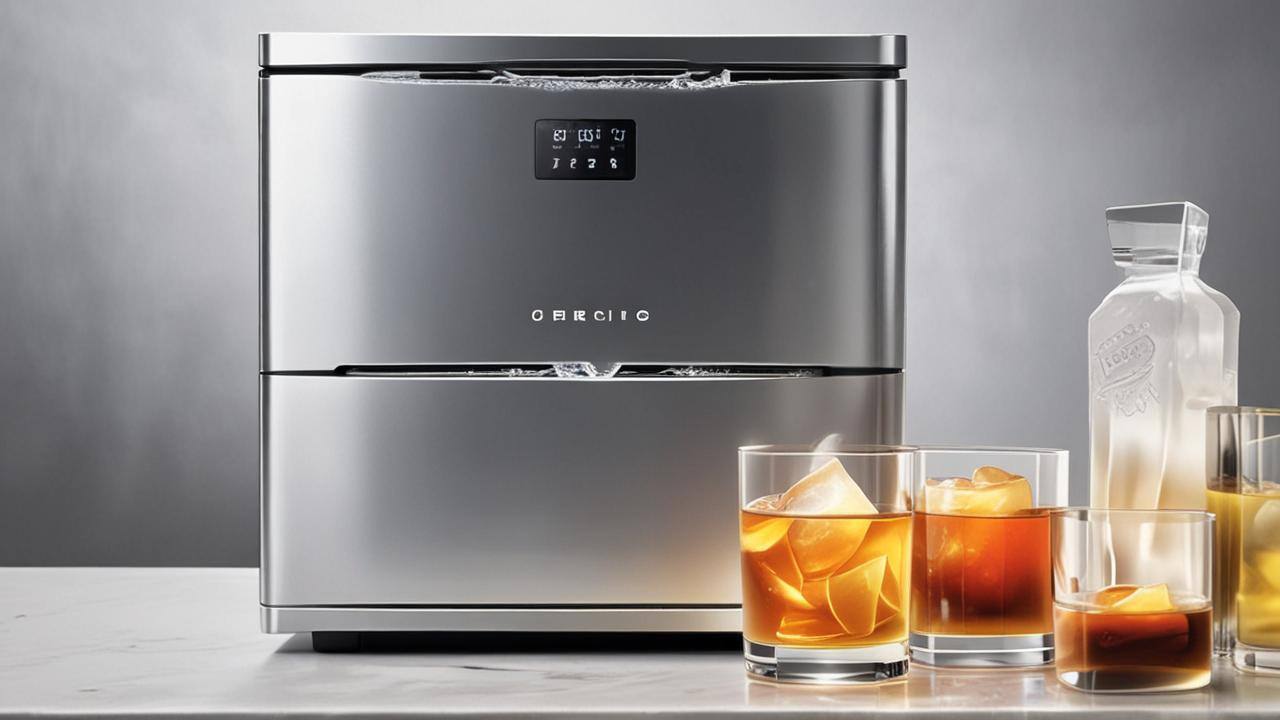
Compressor ice makers are built like mini refrigerators. They have a sealed system that circulates a refrigerant. This refrigerant absorbs heat from the water, turning it into ice.
The compressor is the heart of this system, working hard to keep the cycle going. This powerful mechanism is why compressor models can make a lot of ice quickly.
They are designed for high-volume ice production. Think of them as the workhorses for busy kitchens or events. You can expect a consistent supply of ice without long waits.
This makes the Compressor Vs Thermoelectric Ice Makers: Real Difference very clear when you need ice fast.
The Mechanics Behind Compressor Ice Makers
The process starts with the compressor. It squeezes a gas, increasing its temperature and pressure. This hot gas then flows through a condenser, where it cools and turns into a liquid.
If you frequently host parties or run a busy kitchen, a compressor ice maker's rapid production cycle—often six to fifteen minutes per batch—will keep up with demand.
The liquid refrigerant then moves to the evaporator. Here, it absorbs heat from the surrounding water, turning back into a gas. This cooling effect freezes the water into ice cubes.
This continuous cycle allows compressor ice makers to produce ice efficiently. The speed at which they operate is a major advantage. It means you’re less likely to run out of ice during peak times.
This is a significant part of the Compressor Vs Thermoelectric Ice Makers: Real Difference for many users.
When to Choose a Compressor Ice Maker
If you regularly host gatherings, run a small business, or simply love having plenty of ice on hand, a compressor ice maker is likely your best bet. They are perfect for situations where speed and quantity are important. You won’t be left waiting for hours when you need a lot of ice.
These machines are built for consistent performance. They can handle daily use without a problem. The upfront cost might be higher, but the long-term benefits in ice production are substantial.
This is a key consideration in the Compressor Vs Thermoelectric Ice Makers: Real Difference for busy households.
Understanding Thermoelectric Ice Makers
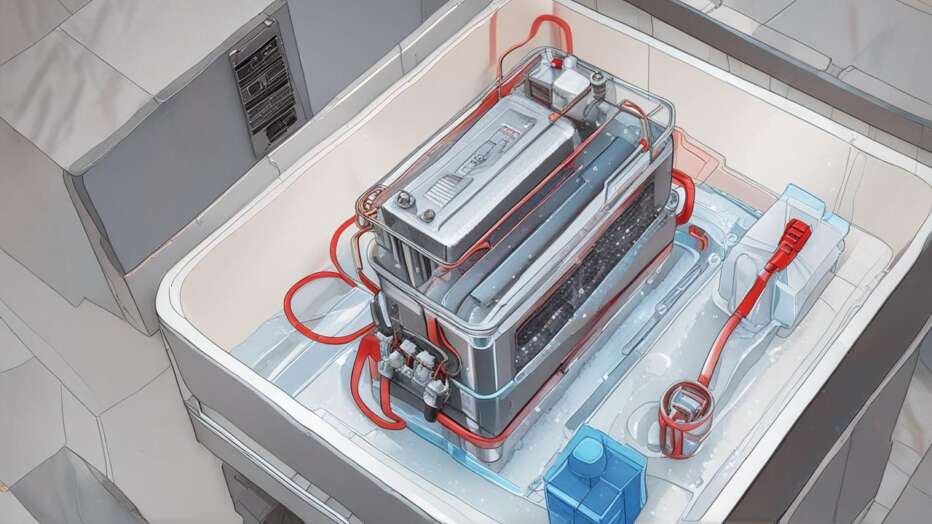
Thermoelectric ice makers work using a different principle called the Peltier effect. This effect uses electricity to create a temperature difference. One side of a special semiconductor module gets hot, while the other side gets cold.
In an ice maker, the cold side is used to freeze water into ice.
These units are often smaller and quieter than compressor models. They don’t have moving parts like a compressor, which can make them more reliable in some ways. However, their ice-making speed is much slower.
This is a crucial aspect of the Compressor Vs Thermoelectric Ice Makers: Real Difference.
How the Peltier Effect Works for Ice
When an electric current passes through a thermoelectric module, heat is moved from one side to the other. The cold side chills a metal plate. Water comes into contact with this chilled plate, and it freezes.
Thermoelectric ice makers use the Peltier effect without a compressor, making them nearly silent and compact—ideal for environments where noise and space are at a premium.
The heat removed from the cold side is dissipated from the hot side, often using a small fan.
This method is less energy-intensive for small-scale cooling. It’s also very quiet because there’s no compressor running. This makes them suitable for environments where noise is a concern.
The difference in operation is a core part of the Compressor Vs Thermoelectric Ice Makers: Real Difference.
Who Benefits Most from Thermoelectric Ice Makers
Thermoelectric ice makers are ideal for occasional use. If you only need ice a few times a week or for small events, they can be a good choice. They are also great for personal use in dorm rooms, small apartments, or offices where space and noise are limitations.
Their compact size makes them easy to place almost anywhere.
They are generally more affordable upfront. If your ice needs are modest, the slower production might not be an issue. This cost and performance trade-off is a significant point in the Compressor Vs Thermoelectric Ice Makers: Real Difference discussion.
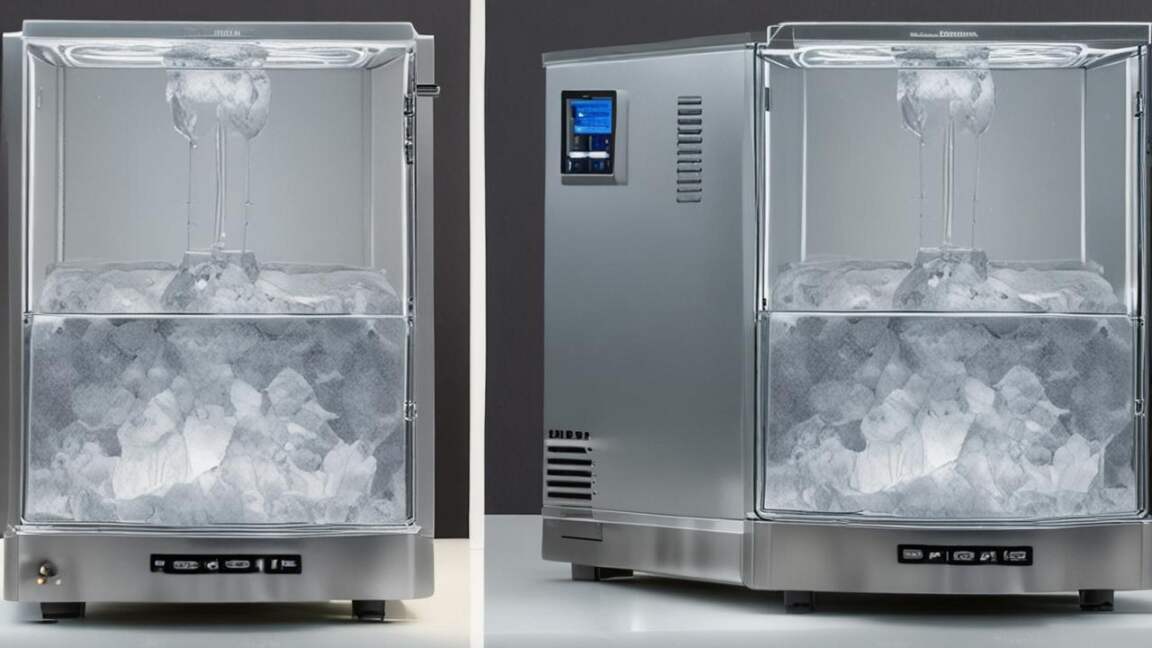
Direct Comparison: Compressor Vs. Thermoelectric Ice Makers
The most direct way to see the Compressor Vs Thermoelectric Ice Makers: Real Difference is by comparing their key features side-by-side. This helps you visualize which type might fit your lifestyle better. Each has its own strengths and weaknesses.
Your decision between a compressor and a thermoelectric ice maker hinges on a simple trade-off: rapid ice production versus quiet, compact operation.
As you can see from the table, the Compressor Vs Thermoelectric Ice Makers: Real Difference is quite substantial across several important factors. Choosing the right one depends entirely on your specific requirements.
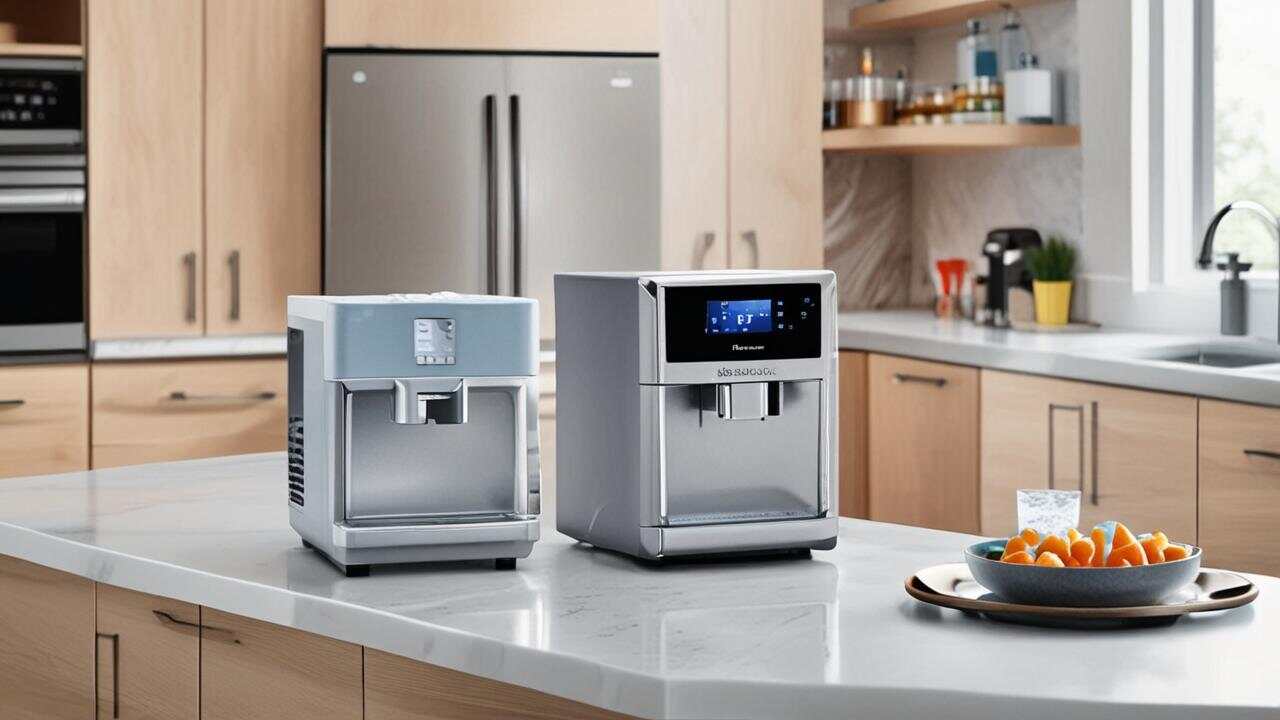
Factors to Consider When Choosing
When you’re deciding between these two types, think about how you’ll use the ice maker. Your daily routine and entertaining habits play a big role. It’s not just about buying any ice maker; it’s about finding the one that serves you best.
Your Ice Needs: How Much and How Often?
The most critical factor is your ice consumption. Do you need ice for just a few drinks a day, or do you host parties where you need to fill coolers? If you need ice in large quantities and quickly, a compressor model is the way to go.
If your needs are minimal, a thermoelectric unit might suffice.
Consider your lifestyle. Are you a single person who makes a few ice cubes daily? Or a large family that entertains often?
The answer to this question directly impacts which type of ice maker will be the best fit. This is a core part of understanding the Compressor Vs Thermoelectric Ice Makers: Real Difference.
Space and Noise Constraints
Where will you put the ice maker? Compressor models tend to be larger and heavier. They also produce more noise due to the compressor running.
Before purchasing, consider the noise level: compressor units produce a low hum, while thermoelectric models are nearly silent, making the latter preferable for bedrooms or quiet offices.
If you have limited counter space or live in an apartment where noise is a concern, a thermoelectric unit might be more appealing. Their quiet operation makes them unobtrusive.
Think about the location. Will it be in a busy kitchen, a quiet home office, or a bedroom? The ambient noise level of the unit should match its surroundings.
This is another key point in the Compressor Vs Thermoelectric Ice Makers: Real Difference for practical placement.
Budget and Energy Efficiency
Thermoelectric ice makers are generally cheaper to buy. They also use less electricity, which can save you money on your energy bills over time. Compressor ice makers have a higher initial cost and consume more power.
However, their faster production can be worth the investment if you need a lot of ice.
Consider the long-term costs. While a thermoelectric unit might be cheaper upfront, if you find yourself constantly waiting for ice, you might regret not investing in a faster compressor model. Weigh the initial purchase price against ongoing energy costs and the value of convenience.
This economic aspect is a significant part of the Compressor Vs Thermoelectric Ice Makers: Real Difference.
Maintenance and Longevity
Both types of ice makers require some level of maintenance to keep them running smoothly. Understanding these needs can help you make a more informed decision about the Compressor Vs Thermoelectric Ice Makers: Real Difference in terms of upkeep.
Caring for Your Compressor Ice Maker
Compressor ice makers need regular cleaning to prevent mold and mildew buildup. You’ll also need to descale them periodically to remove mineral deposits. The refrigerant system is sealed, so you don’t typically need to worry about gas leaks.
However, it’s wise to keep the vents clear for proper airflow.
Most models come with a removable ice basket and scoop. These should be washed regularly. The exterior should also be wiped down.
Neglecting regular descaling in areas with hard water can significantly shorten the lifespan of both compressor and thermoelectric ice makers, leading to costly repairs.
Following the manufacturer’s cleaning instructions is key to ensuring its longevity and the purity of your ice.
Caring for Your Thermoelectric Ice Maker
Thermoelectric ice makers are generally simpler to maintain. The main task is cleaning the unit and its ice bin. Since they don’t have a compressor, there are fewer parts that can break down.
However, the cooling fins and fan might need occasional dusting to ensure efficient operation.
Descaling is also important for thermoelectric models, especially if you have hard water. Mineral buildup can affect the freezing plate’s efficiency. These units are often designed for ease of cleaning, making them a low-maintenance option for many users.
Common Misconceptions About Ice Makers
People often have misconceptions about ice makers that can lead to choosing the wrong type. Understanding the truth behind these myths helps clarify the Compressor Vs Thermoelectric Ice Makers: Real Difference.
Myth: All Ice Makers Produce Ice at the Same Speed
This is far from true. As we’ve discussed, compressor models are significantly faster than thermoelectric ones. If speed is a priority, this difference is crucial.
Despite lower per-hour energy use, thermoelectric ice makers may actually consume more electricity to produce the same ice volume because they run much longer per batch compared to compressor models.
Don’t assume all ice makers are equal in this regard.
Myth: Thermoelectric Ice Makers Are More Expensive to Run
While they use less energy per hour, their slower production means they might run longer to produce the same amount of ice as a compressor model. However, for low-volume users, their overall energy consumption is typically lower. The Compressor Vs Thermoelectric Ice Makers: Real Difference in energy use depends on how much ice you need.
Myth: Ice Makers Are Maintenance-Free
All appliances require some level of care. Both compressor and thermoelectric ice makers need regular cleaning and descaling to function properly and hygienically. Neglecting maintenance can lead to poor performance and a shorter lifespan.
Frequently Asked Questions
What is the biggest difference between compressor and thermoelectric ice makers?
The biggest difference is their ice-making speed and capacity. Compressor ice makers are much faster and produce more ice, while thermoelectric units are slower and produce less ice.
Which type of ice maker is quieter?
Thermoelectric ice makers are significantly quieter because they do not have a compressor, which is the main source of noise in compressor models.
Is a compressor ice maker more energy-efficient?
Generally, compressor ice makers use more energy per hour due to their powerful refrigeration system, but their faster production means they might complete their cycle quicker, potentially balancing out the energy use depending on your needs. Understanding the Compressor Vs Thermoelectric Ice Makers: Real Difference in energy consumption is key.
Which type is better for a small apartment?
For a small apartment, a thermoelectric ice maker is often better due to its smaller size, lighter weight, and quiet operation, making it ideal for limited space and noise-sensitive environments.
Can a thermoelectric ice maker replace a refrigerator’s ice maker?
Typically, no. Thermoelectric ice makers have much lower ice production rates than refrigerator ice makers, which are usually powered by a dedicated compressor or a more robust system.
What is the real difference in cost between compressor and thermoelectric ice makers?
Compressor ice makers usually have a higher upfront purchase price compared to thermoelectric models, but their superior performance might justify the cost for frequent users.
Final Thoughts
Choosing between a compressor and thermoelectric ice maker comes down to your specific needs. Compressor units offer speed and high volume, perfect for busy households or entertaining. Thermoelectric models are quieter, more compact, and energy-efficient for lighter use.
Understanding the Compressor Vs Thermoelectric Ice Makers: Real Difference ensures you pick the appliance that best fits your lifestyle and budget.