How Does An Air Fryer Actually Work?
At a Glance An air fryer works by rapidly circulating superheated air around food using a powerful fan and heating element, functioning as a compact convection oven. This high-speed air flow triggers…
An air fryer works by rapidly circulating superheated air around food using a powerful fan and heating element, functioning as a compact convection oven. This high-speed air flow triggers the Maillard reaction on the food's surface, creating a crispy, golden-brown exterior similar to deep frying but with a fraction of the oil. The result is healthier, faster cooking that delivers crunchy texture and tender interiors across a wide range of foods, from fries to proteins.
You’ve probably seen them everywhere and heard about how they make food crispy without all the oil. But you might be wondering, How Does an Air Fryer Actually Work? Understanding this simple technology means you can get perfectly cooked meals, from crispy fries to tender chicken, with less mess and less guilt. It’s not magic, just smart engineering that helps you eat healthier and save time in the kitchen.
Let’s break down how this popular appliance does its thing so you can get the most out of yours.
Key Takeaways
- An air fryer cooks food by circulating hot air at high speeds.
- This rapid air movement creates a crispy exterior similar to deep frying.
- The main components are a heating element, a fan, and a cooking basket.
- Air fryers are versatile and can cook various types of food.
- They offer a healthier alternative to traditional frying methods.

The Science Behind the Crispy Crunch
At its core, an air fryer is a small, powerful convection oven. The magic happens thanks to a few key parts working together. You have a heating element, usually located at the top, which gets very hot very quickly.
Right beside or above it is a fan. This fan is the real workhorse. It blows the hot air down and all around the food placed in the cooking basket.
This constant, high-speed circulation of hot air is what cooks your food and gives it that delicious, crispy texture.
Think of it like a very intense hairdryer blowing heat onto your food. The hot air surrounds every piece, cooking it evenly and quickly. This process dehydrates the surface of the food, making it brown and crispy.
This is why foods like fries or chicken wings get that satisfying crunch that mimics deep frying, but with significantly less oil. Understanding How Does an Air Fryer Actually Work? helps you appreciate the technology that makes healthier cooking so easy.

Key Components of Your Air Fryer
To really grasp How Does an Air Fryer Actually Work?, it helps to know its main parts. Every air fryer, no matter the brand or size, has a few essential components that work in harmony.
The Heating Element
This is where the heat comes from. Most air fryers use a coil-shaped heating element, often made of metal like nichrome. When electricity passes through it, the coil gets extremely hot, similar to the element in a toaster or oven.
The temperature can typically reach between 300°F and 400°F (150°C to 200°C), which is crucial for achieving crispy results.
The Fan
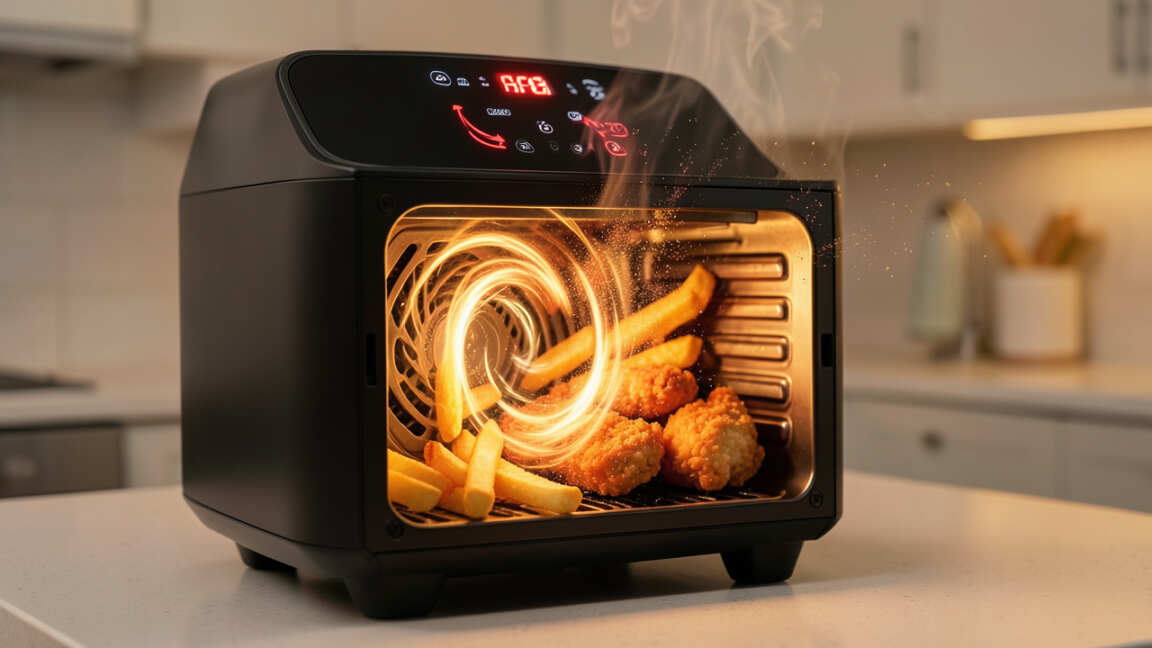
This is the powerhouse of the air fryer. Positioned above the heating element, the fan is responsible for moving the hot air around the cooking chamber at very high speeds. It’s designed to create a vortex of hot air, ensuring that every surface of your food is exposed to consistent heat.
This rapid air circulation is what sets air fryers apart and makes them so effective.
The Cooking Basket
This is where you place your food. The basket is usually perforated or has a mesh bottom. This design allows the hot air to circulate freely around the food, reaching all sides.
It also lets any excess moisture or grease drip away from the food, contributing to a crispier finish and a healthier meal. The basket slides into a drawer or chamber that seals the cooking area.
The Housing
The outer shell of the air fryer protects the internal components and helps to contain the heat and air circulation. It usually has a control panel on top or the front, where you set the temperature and cooking time. Some models also have digital displays and pre-set cooking modes for different foods.

How the Air Fryer Creates Crispy Food
The secret to the air fryer’s ability to create crispy food lies in the rapid circulation of hot air. When you place food in the basket and turn the air fryer on, the heating element heats up. Then, the fan kicks in, pushing this superheated air down and around the food at high velocity.
This process is often referred to as “rapid air technology” or “tornado technology” by manufacturers.
This intense, circulating hot air does a few things. First, it quickly raises the temperature of the food’s surface. This causes the Maillard reaction, the same chemical process that browns meat and gives baked goods their golden color.
Second, the high-speed air flow helps to evaporate moisture from the surface of the food. This dehydration is key to achieving a crispy texture. Without this rapid air movement, food would steam rather than crisp up.
So, understanding How Does an Air Fryer Actually Work? means understanding the power of hot air circulation.
The perforated basket design also plays a vital role. It allows air to reach the bottom of the food, ensuring even cooking and crisping. Unlike traditional ovens where air might not reach all sides effectively, the air fryer’s design promotes 360-degree cooking.
This is why you often get more uniform results compared to baking certain items in a conventional oven.

Comparing Air Frying to Traditional Frying
Many people switch to air fryers because they want the crispy texture of fried food without the unhealthy aspects of deep frying. It’s helpful to see how they stack up side-by-side.
As you can see from the table, the primary difference lies in the amount of oil used. Deep frying requires immersing food in hot oil, which can lead to food absorbing a lot of fat. An air fryer, on the other hand, uses hot air to mimic the crisping effect of oil.
This makes it a much healthier choice for enjoying your favorite crispy foods.
What Can You Cook in an Air Fryer?
One of the best things about understanding How Does an Air Fryer Actually Work? is realizing its versatility. It’s not just for fries! You can cook a wide variety of foods, achieving great results.
- Vegetables: Broccoli, Brussels sprouts, bell peppers, and zucchini become wonderfully tender and slightly crispy when air-fried. Toss them with a little oil and seasoning for a quick side dish.
- Meats: Chicken wings, chicken tenders, pork chops, and even small roasts can be cooked to perfection. The hot air creates a lovely browned and crispy exterior while keeping the inside moist.
- Seafood: Fish fillets, shrimp, and calamari cook quickly and come out with a delicate crisp.
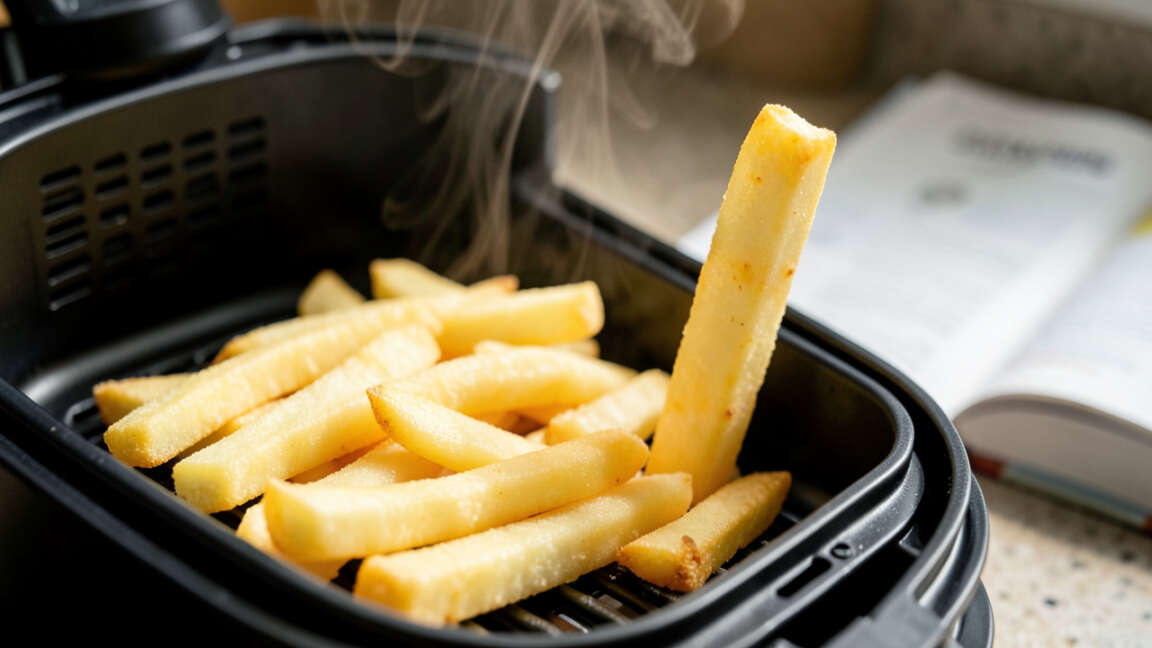
- Snacks: Frozen foods like fries, onion rings, and spring rolls are practically made for air fryers. They come out much crispier than when baked in a conventional oven.
- Baked Goods: While not ideal for large cakes, small items like muffins, cookies, and even mini pizzas can be made. Some air fryer models even come with accessories for baking.
The key to success with any food is to avoid overcrowding the basket. Giving your food space allows the hot air to circulate properly, which is essential for even cooking and crispiness. If the basket is too full, the food will steam instead of crisping up, defeating the purpose of air frying.

Tips for Getting the Best Results
Now that you know How Does an Air Fryer Actually Work?, here are some tips to help you achieve delicious results every time.
- Preheat Your Air Fryer: Just like a conventional oven, preheating your air fryer for 3-5 minutes helps ensure your food cooks evenly from the moment it goes in.
- Don’t Overcrowd the Basket: This is crucial. Food needs space for the hot air to circulate around it. Cook in batches if necessary.
- Use a Little Oil: While you don’t need much, a tablespoon or two of oil (like olive, avocado, or canola oil) can help enhance crispiness and flavor, especially for foods that are naturally drier. You can toss food in a bowl with oil before placing it in the basket.
- Shake or Flip Your Food: About halfway through the cooking time, open the air fryer and shake the basket or flip your food. This ensures all sides get exposed to the hot air for even browning and crisping.
- Adjust Cooking Times and Temperatures: Recipes are a guide. Air fryers can vary, so keep an eye on your food, especially the first few times you cook something new. You might need to adjust the time or temperature based on your specific model.
- Clean Your Air Fryer Regularly: After each use, clean the basket and drawer. This prevents food buildup and ensures your air fryer works efficiently.
Following these simple steps will help you master your air fryer and enjoy healthier, crispier versions of your favorite foods. Understanding How Does an Air Fryer Actually Work? is the first step to becoming an air frying pro.

How Does an Air Fryer Actually Work? – Common Misconceptions
Even though air fryers are popular, some people still have misconceptions about how they operate. Let’s clear a few things up.
Is it just a small oven?
While it shares similarities with a convection oven, an air fryer is more intense. The fan in an air fryer is much more powerful, and the cooking chamber is smaller. This combination creates a much more concentrated blast of hot air that circulates at a higher speed than in most convection ovens.
This is why air fryers excel at crisping food quickly.
Does it really fry food?
It doesn’t “fry” in the traditional sense of submerging food in oil. Instead, it uses hot air to create a similar crispy exterior. The process is more accurately described as intense convection cooking.
The term “air frying” is a marketing term that effectively describes the outcome-crispy food-rather than the exact method.
Do I always need oil?
You don’t always need oil, especially for foods that already have some fat or moisture, like chicken wings or salmon. However, adding a small amount of oil can significantly improve the crispiness and flavor of foods like potatoes or vegetables. It helps conduct heat and promotes browning.
Can it replace my oven?
An air fryer is excellent for smaller batches of food and for achieving superior crispiness quickly. It’s perfect for snacks, sides, and cooking for one or two people. However, it’s not designed to replace a full-sized oven for cooking large meals, baking multiple trays of cookies, or roasting a whole turkey.
Think of it as a great supplement to your kitchen appliances.

The Benefits of Understanding How an Air Fryer Works
Knowing How Does an Air Fryer Actually Work? brings practical advantages. You can cook healthier meals with less fat. You can prepare food faster, saving precious time.
Plus, you can achieve delicious crispy textures without the mess and oil of deep frying. It opens up a world of quick, healthy, and tasty cooking possibilities.
Frequently Asked Questions
How does an air fryer make food crispy without oil?
An air fryer works by circulating hot air at very high speeds around the food. This rapid air movement dries out the surface of the food, creating a crispy texture similar to deep frying, but with much less oil.
What is the main difference between an air fryer and a convection oven?
An air fryer is essentially a compact, high-powered convection oven. Its fan is much stronger, and its cooking chamber is smaller, leading to faster and more intense hot air circulation for superior crisping.
How does the heating element and fan work together in an air fryer?
The heating element heats the air to a high temperature, and the powerful fan then blows this hot air down and around the food in the cooking basket at high speed, ensuring even and rapid cooking.
Is air frying healthier than baking?
Air frying is generally healthier than deep frying. Compared to baking, the health benefits depend on what you’re cooking and how much oil you use. Air frying can sometimes require less oil than baking for achieving a crispy texture.
Why is it important not to overcrowd an air fryer basket?
Overcrowding prevents the hot air from circulating properly around the food. This can lead to uneven cooking and steaming instead of crisping, diminishing the benefits of How Does an Air Fryer Actually Work?.
Can I put raw meat directly into the air fryer basket?
Yes, you can cook raw meat directly in the air fryer. Ensure the meat is seasoned and, if needed, lightly oiled. The hot air circulation will cook it thoroughly and can create a nice crispy exterior.
Final Thoughts
An air fryer cooks food by circulating hot air rapidly around it, creating a crispy exterior like frying but with less oil. Its simple design of a heating element and a powerful fan makes it a healthy and efficient kitchen tool for a variety of delicious meals.