Why Is Food Not Crispy In My Air Fryer?
At a Glance Air fryer food fails to crisp primarily due to overcrowding the basket, which blocks hot air circulation, and insufficient preheating or oil application. Proper preparation, such as pattin…
Air fryer food fails to crisp primarily due to overcrowding the basket, which blocks hot air circulation, and insufficient preheating or oil application. Proper preparation, such as patting food dry and lightly coating with oil, ensures moisture evaporates for a golden-brown crust. Maintaining consistent temperature and avoiding overloading allows the air fryer to achieve the Maillard reaction needed for that satisfying crunch.
Getting that perfect crisp on your food in the air fryer can be a game-changer for weeknight meals. Nobody wants soggy fries or limp chicken wings when they’re craving that satisfying crunch. If you’ve found yourself asking, “Why Is Food Not Crispy in My Air Fryer?” you’re not alone, and the good news is that it’s usually a simple fix.
Understanding a few key principles can help you achieve delicious, golden-brown results every time, making your air fryer a true kitchen hero.
Key Takeaways
- You’ll learn the common reasons air-fried food doesn’t get crispy.
- Discover how to properly prepare your food for maximum crispiness.
- Understand the importance of air fryer temperature and cooking time.
- Find out how overcrowding affects your results and how to avoid it.
- Learn tips for using oil and seasonings to enhance crispiness.
- Get advice on maintaining your air fryer for consistent performance.

Why Your Air Fryer Isn’t Delivering That Perfect Crunch
It’s frustrating when your air fryer doesn’t live up to the hype. You see all those amazing pictures online and hear about how it makes food crispy, but yours comes out. well, less than ideal.
The main reason food doesn’t get crispy in an air fryer often comes down to a few key factors. Air fryers work by circulating hot air very quickly around the food. This rapid air movement is what creates that desirable crispiness, similar to deep frying but with much less oil.
When this process is disrupted, you lose that crunch.
One of the biggest culprits is overcrowding the basket. If you pack too much food in, the hot air can’t reach all the surfaces. This prevents proper circulation, leading to uneven cooking and soggy spots.
Think of it like trying to dry clothes in a crowded dryer; they just won’t get fully dry. So, if you’re wondering Why Is Food Not Crispy in My Air Fryer?, check if you’re overloading it first.
Another common issue is not preheating the air fryer. Just like an oven, an air fryer needs time to reach its set temperature before you start cooking. Starting with a cold appliance means your food will take longer to cook and won’t get that initial blast of heat needed for crisping.
This delay can lead to moisture building up on the food before it has a chance to crisp up.

Mastering the Art of Air Fryer Prep for Crispiness
Getting your food ready is half the battle when aiming for a crispy finish. The way you prepare your ingredients makes a big difference. For items like fries, chicken tenders, or vegetables, a little bit of oil goes a long way.
Oil helps conduct heat and promotes browning, which is essential for crispiness. However, using too much oil can make food greasy rather than crispy. The goal is a light, even coating.
When it comes to seasonings and coatings, such as breadcrumbs or flour, ensure they adhere well to the food. If your coating is falling off, it won’t crisp up properly. Patting your food dry before applying any coatings can help them stick better.
For instance, if you’re making crispy chicken, ensure the chicken pieces are not wet from marinating before you dredge them in flour or breadcrumbs. This is a crucial step in answering Why Is Food Not Crispy in My Air Fryer?
Some foods benefit from a light spray of cooking oil, while others might need a toss in a bowl with a tablespoon or two of oil. Experiment with different types of oils; avocado oil, olive oil, or even a spray oil can work well. Just remember, a little is usually enough.
The key is to create a surface that can brown and crisp up under the hot air.

The Crucial Role of Temperature and Time
Setting the right temperature and cooking time is fundamental to achieving crispy food. Air fryers typically operate at higher temperatures than conventional ovens, usually between 350°F (175°C) and 400°F (200°C). These higher temperatures are what help create that quick crisping effect.
If your food is taking too long to cook or isn’t getting crispy, your temperature might be too low. Conversely, a temperature that’s too high can burn the outside before the inside is cooked through, and it might not result in the desired crispness either. It’s about finding that sweet spot.
Cooking time also needs to be adjusted based on the food type and quantity. Thicker cuts of meat or denser vegetables will naturally take longer than thinner items like fries or breaded shrimp. Always refer to recipes or cooking charts for a starting point, but be prepared to adjust.
Checking your food periodically, especially towards the end of the cooking cycle, is essential. This allows you to stop the cooking process at the perfect moment for maximum crispiness.
A common mistake that leads to the question, Why Is Food Not Crispy in My Air Fryer? is simply not cooking it long enough. Many people are hesitant to cook things thoroughly, fearing they’ll dry them out. However, with air frying, a bit of extra time at the right temperature is often what transforms soggy into sensational.

Overcrowding: The Silent Killer of Crispy Food
This is perhaps the most common reason people struggle with getting crispy results. Air fryers rely on air circulation to cook food evenly and create that desired crunch. When you fill the basket too full, the hot air simply cannot flow freely around all the pieces of food.
This creates pockets of steam and prevents the surfaces from drying out and crisping up.
Imagine trying to bake cookies on a single baking sheet, but you cram them all together. They won’t spread properly and will likely bake unevenly. The same principle applies to air frying.
For optimal crispiness, food should be in a single layer, with space between each piece.
If you’re cooking for more than one or two people, you might need to cook in batches. While this might seem like it takes longer overall, the results are far superior. Cooking in batches ensures that each piece of food gets enough exposure to the hot circulating air, leading to consistent crispiness throughout.
So, if you’re asking Why Is Food Not Crispy in My Air Fryer? and you’ve been filling the basket to the brim, this is likely your main issue. Embrace the idea of cooking in smaller portions to achieve the best possible texture and flavor. It’s a small change that makes a huge difference.

The Impact of Oil and Seasonings on Crispiness
While air fryers use less oil than traditional frying, oil still plays a vital role in achieving crispiness. A light coating of oil helps conduct heat and promotes the Maillard reaction, which is responsible for browning and developing flavor. Without enough oil, food can dry out before it crisps, or simply not brown effectively.
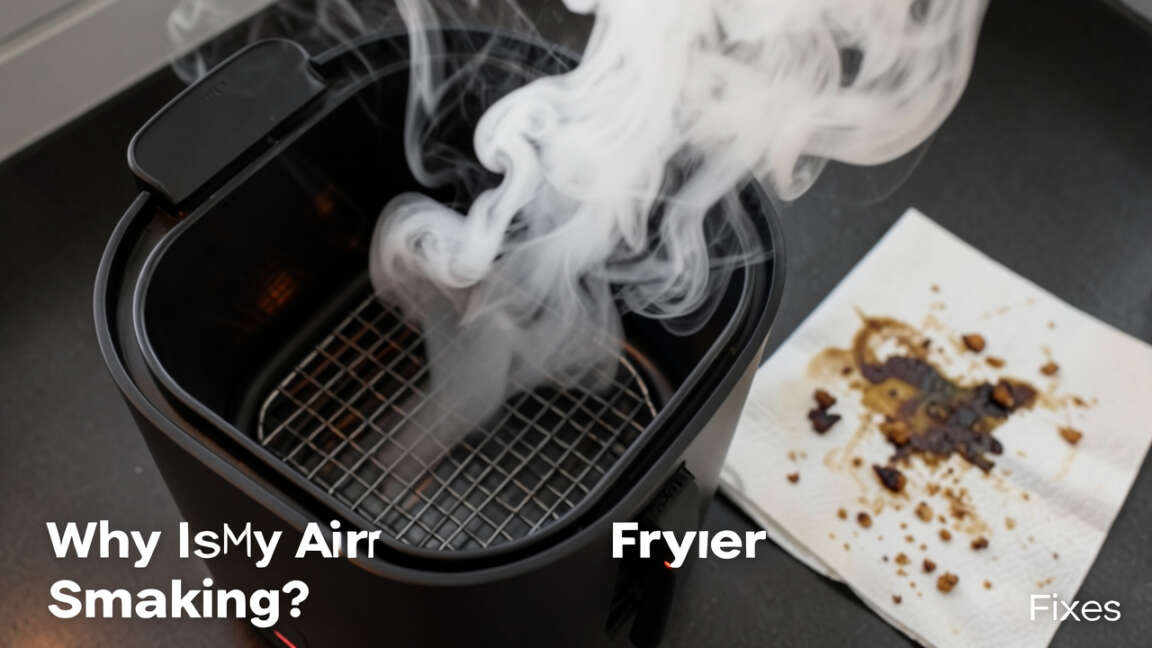
However, too much oil can lead to greasy food that doesn’t achieve that satisfying crunch. It can also cause smoke in your air fryer, especially if the oil drips onto the heating element. The key is a light, even application.
Using an oil spray bottle or tossing food in a bowl with a small amount of oil works best.
Seasonings can also affect crispiness. Powdery seasonings, like flour or cornstarch, can help absorb moisture and create a crispier coating when applied correctly. However, if they are applied too thickly or unevenly, they can clump up and burn, or remain pasty.
Ensure your seasonings are evenly distributed.
Certain types of coatings, like panko breadcrumbs, are excellent for achieving extra crispiness due to their light, airy texture. When these are combined with a little oil and the hot circulating air, they create a fantastic crunch. If you’re wondering Why Is Food Not Crispy in My Air Fryer?, consider if your coatings are adhering well and if you’re using the right type of seasoning for the desired texture.

Maintaining Your Air Fryer for Peak Performance
Just like any kitchen appliance, your air fryer needs proper care to function at its best. Regular cleaning is essential. Food particles and grease can build up in the basket and on the heating element.
This buildup can affect air circulation and lead to smoking or uneven cooking, which directly impacts crispiness.
After each use, allow the air fryer to cool down completely, then wash the basket and any removable parts with warm, soapy water. For stubborn residue, you can use a non-abrasive sponge or a brush. Ensure all parts are completely dry before reassembling or storing.
Beyond cleaning the basket, it’s also important to check the heating element. Some air fryers have a visible heating element at the top. You can gently wipe this down with a damp cloth (once cooled and unplugged, of course) to remove any debris.
This ensures that the hot air is generated efficiently and can circulate properly.
A well-maintained air fryer will consistently deliver the crispy results you expect. If you’re experiencing issues with crispiness, and you’ve tried other tips, it might be time for a thorough cleaning. This maintenance step is often overlooked but is crucial for answering Why Is Food Not Crispy in My Air Fryer?

Troubleshooting Common Crispiness Problems
Sometimes, even with the best practices, you might still encounter issues. Here are a few common problems and how to fix them:
Problem: Food is dry on the outside but not crispy.
Solution: This often means the temperature was too high for too long without enough moisture. Try reducing the temperature slightly and cooking for a shorter time, or add a tiny bit more oil. Ensure you’re not overcooking.
Problem: Food is browned but still soft.
Solution: This usually points to insufficient air circulation or not enough cooking time. Make sure you aren’t overcrowding the basket and consider increasing the cooking time by a few minutes. Flipping or shaking the food midway through cooking can also help.
Problem: Food is burnt on the edges but pale in the middle.
Solution: This is a sign of uneven heat distribution or too high a temperature. Try lowering the temperature and extending the cooking time. Ensure the air fryer is preheated properly.
If your air fryer has hot spots, rotating the food more frequently can help.
Problem: Frozen foods are not crisping well.
Solution: Frozen foods already have a lot of moisture. It’s important to cook them at a higher temperature and ensure they are in a single layer. Don’t overcrowd.
Some frozen items might benefit from a light spray of oil before cooking, but avoid adding too much as they can become greasy.
Addressing these specific issues can help you pinpoint exactly Why Is Food Not Crispy in My Air Fryer? for your particular situation.
Frequently Asked Questions
Question: Do I need to use oil in my air fryer for crispy food?
Answer: While air fryers use less oil than deep fryers, a light coating of oil is highly recommended for achieving optimal crispiness and browning. It helps conduct heat and promotes the Maillard reaction.
Question: Can I cook foods with a lot of sauce in my air fryer and expect them to be crispy?
Answer: Foods with a lot of liquid sauce tend to steam rather than crisp in an air fryer. For best results, add sauces towards the end of the cooking process or serve them on the side.
Question: Why are my homemade fries not crispy like store-bought ones?
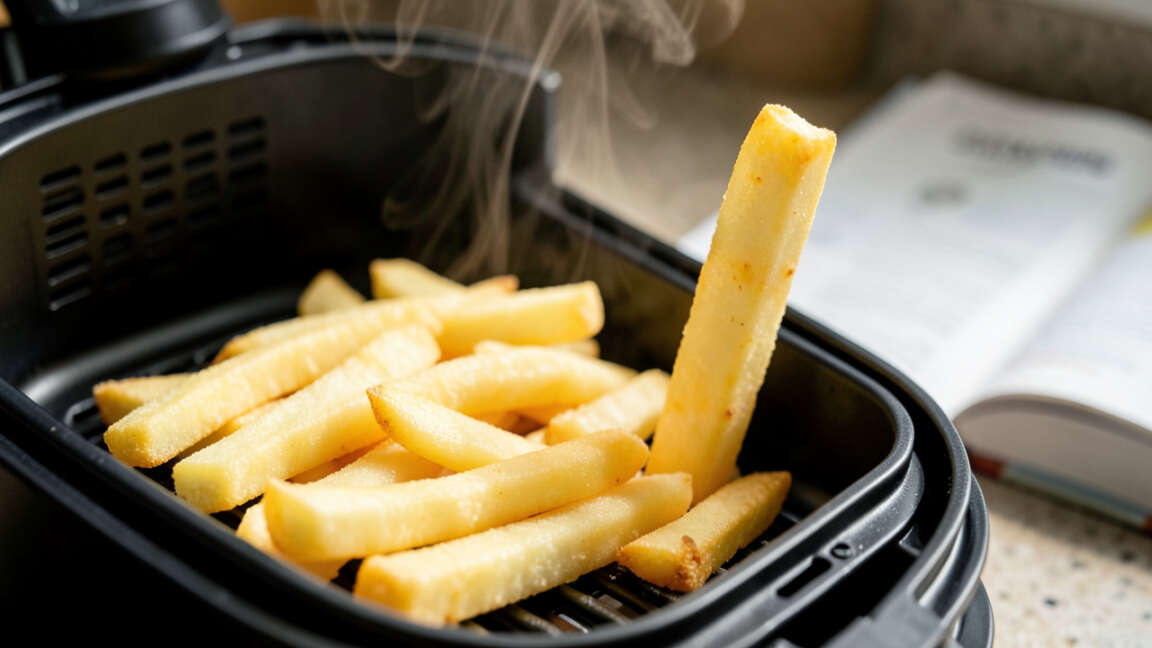
Answer: Homemade fries might not be crispy due to improper potato preparation (not soaking or drying them enough), overcrowding the basket, or not using enough oil or the right cooking temperature and time. Why Is Food Not Crispy in My Air Fryer? often relates to these prep steps for fries.
Question: How often should I shake or flip food in the air fryer?
Answer: For most foods, shaking the basket or flipping the pieces halfway through the cooking time is sufficient to ensure even cooking and crispiness on all sides.
Question: Can I use aluminum foil in my air fryer?
Answer: Yes, you can use aluminum foil, but it should not cover the entire bottom of the basket, as this will block airflow and prevent crisping. Place it loosely to allow air to circulate.
Question: My air fryer smells when I cook; why?
Answer: This is often due to food residue or grease buildup. Ensure your air fryer is clean and properly maintained. If the smell persists, it might be a sign of the heating element needing attention or a component wearing out.
Final Thoughts
Achieving crispy food in your air fryer is all about understanding air circulation, proper preparation, and correct temperature settings. Avoid overcrowding your basket, use a light coating of oil, and don’t be afraid to adjust cooking times. By following these simple tips, you can consistently get delicious, crunchy results.