Why Is My Air Fryer Smoking? (Fixes)
At a Glance Air fryer smoking is most commonly caused by accumulated food debris, excess oil, or overfilling the basket, which allows grease to drip onto the heating element. Regular deep cleaning aft…
Air fryer smoking is most commonly caused by accumulated food debris, excess oil, or overfilling the basket, which allows grease to drip onto the heating element. Regular deep cleaning after each use and using oils with high smoke points, such as avocado or grapeseed oil, effectively prevent smoke. Proper preheating and avoiding overfilling ensure your air fryer operates safely without producing smoke during cooking.
Seeing smoke come from your air fryer can be a bit alarming, especially when you’re just trying to enjoy a quick meal. Understanding Why Is My Air Fryer Smoking? (Fixes) is key to keeping your kitchen safe and your food tasting great.
When your air fryer smokes, it often means something simple is happening that you can easily fix. Learning these fixes will help you avoid fire hazards and ensure your appliance works its best, giving you perfectly cooked food without the smoky interruption.
Key Takeaways
- Food debris or grease buildup is a common cause of air fryer smoke.
- Overfilling the basket can lead to food touching the heating element and smoking.
- Certain fatty foods naturally release smoke when cooked at high temperatures.
- Regular cleaning is the most effective way to prevent most smoking issues.
- Proper preheating and monitoring can also help minimize smoke.

Common Reasons Your Air Fryer Is Smoking
It’s a common kitchen problem: you’re cooking up some tasty fries or chicken, and suddenly, wisps of smoke start curling out of your air fryer. Don’t panic! Most of the time, Why Is My Air Fryer Smoking?
(Fixes) are straightforward. It usually comes down to a few simple issues that can be fixed with a little attention. Let’s break down the most frequent culprits so you can get back to enjoying your air-fried favorites.
Food Particles Left Behind
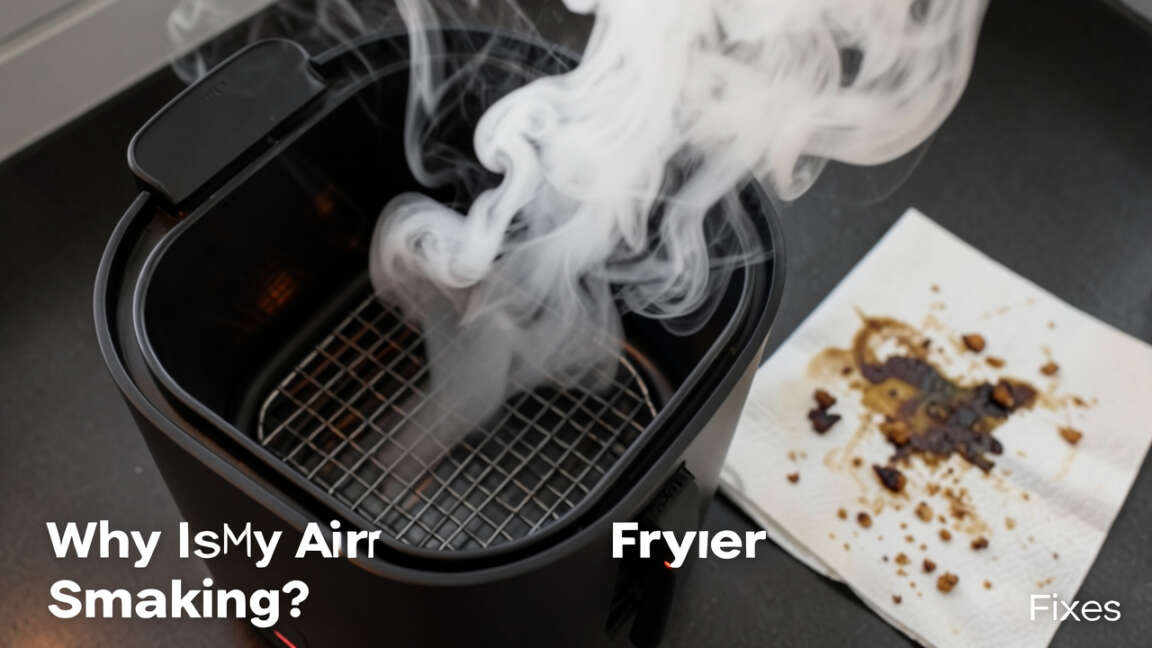
The most frequent reason for smoke is leftover food bits or grease. When you cook, small pieces of food and oil can fall to the bottom of the basket or the pan. If these aren’t cleaned out, they get heated up the next time you use the air fryer.
This burnt residue creates smoke.
Think of it like a dirty pan on the stove. If there’s old food stuck to it, heating that pan will make smoke. Your air fryer works similarly.
Even tiny crumbs can burn and cause a smoky smell and visible smoke. This is why regular cleaning is so important for preventing Why Is My Air Fryer Smoking? (Fixes).
Excess Oil or Marinades
Air fryers are designed to use very little oil, but sometimes, too much can be added. If you’re cooking something that’s already fatty, like bacon or sausages, or if you’ve used a marinade with a lot of oil, excess liquid can drip down. This oil then hits the hot heating element, causing it to smoke.
It’s especially true for foods that have a lot of natural fat. As the food cooks, its own fat renders out. If this fat pools at the bottom and drips onto the heating element, smoke is almost guaranteed.
This is a natural part of cooking fatty foods, but it can be managed.
Overfilling the Basket
Your air fryer has a specific capacity for a reason. When you pack the basket too full, food items can touch the heating element at the top of the appliance. This direct contact with the hot element can cause the food to burn and smoke, especially if it’s coated in oil or marinade.
Also, overfilling prevents air from circulating properly. This means your food won’t cook evenly and can lead to some parts burning while others are undercooked. When food burns, it smokes.
So, keeping the basket at about two-thirds full is a good rule of thumb to avoid these issues.
Using the Wrong Type of Oil or Too Much
Not all oils are created equal when it comes to high-heat cooking. Oils with a low smoke point can start to smoke and even burn before your food is cooked. For air frying, it’s best to use oils with a high smoke point, like avocado oil, grapeseed oil, or canola oil.
Even with high smoke point oils, using too much can still cause problems. A light spray or a tablespoon is usually enough. Pouring oil directly into the basket can lead to excess pooling and smoking.
This is a key part of knowing Why Is My Air Fryer Smoking? (Fixes).
Food Stuck to the Heating Element
Sometimes, small bits of food can get stuck directly on the heating element itself. This is more common if the heating element is exposed at the top of the air fryer. When these bits burn, they create a strong, acrid smoke that can fill your kitchen.
This is a bit harder to clean but crucial to address.
If you notice food particles lodged near the heating element, it’s important to let the air fryer cool down completely. Then, carefully try to dislodge them using a soft brush or cloth. This prevents them from burning and smoking on your next use.
Preheating Issues
Some air fryer models benefit from a short preheating period. If you put food into a cold air fryer and set it to a high temperature, the sudden heat can sometimes cause certain ingredients to smoke more. Preheating helps the appliance reach a stable cooking temperature more quickly.
However, be careful not to preheat for too long, especially if there’s any residual oil or debris in the basket. An empty, preheated basket can still get hot enough to burn any leftover particles. So, a quick preheat of 2-3 minutes is usually sufficient.

Troubleshooting and Fixes for a Smoking Air Fryer
When smoke appears, it’s natural to wonder Why Is My Air Fryer Smoking? (Fixes). The good news is that most smoking issues are easily resolved with simple maintenance and cooking adjustments.
Here are practical steps you can take to stop your air fryer from smoking and keep it running smoothly.
Deep Cleaning Your Air Fryer
Regular cleaning is your best defense against smoke. After each use, make sure to wash the basket and any removable trays. Use warm, soapy water and a non-abrasive sponge.
For tougher grease, a bit of baking soda paste can work wonders.
First, unplug the air fryer and let it cool completely. Second, remove the basket and any trays. Wash them thoroughly with dish soap and water.
Next, for the interior, wipe down the inside with a damp cloth. If there’s a heating element guard, gently clean it with a soft brush. Finally, ensure all parts are completely dry before reassembling and storing.
Managing Fatty Foods
When cooking foods high in fat, like chicken wings, bacon, or sausages, take extra precautions. You can place a slice of bread at the bottom of the drip pan (below the basket). The bread will absorb some of the dripping fat, preventing it from reaching the heating element and smoking.
Another tip is to pat your food dry before cooking. This removes some surface moisture and excess fat. You can also lightly brush or spray the food with a high smoke point oil instead of pouring it.
This helps distribute the oil evenly and reduces the amount that drips.
Using Oil Correctly
Always use a high smoke point oil for air frying. Oils like avocado, grapeseed, or canola oil are good choices. Avoid olive oil (especially extra virgin) or butter, as they can burn at typical air fryer temperatures.
Instead of pouring oil into the basket, use a spray bottle or a pastry brush. A light coating is all you need. This ensures even coverage without excess oil pooling at the bottom.
This simple adjustment can significantly reduce smoke and is a key fix for Why Is My Air Fryer Smoking? (Fixes).
Don’t Overcrowd the Basket
Cook in batches if necessary. Ensure there’s space between food items for air to circulate freely. This allows for even cooking and prevents food from coming into contact with the heating element.
A good rule is to fill the basket no more than two-thirds full.
If you’re unsure, think about how much space each piece of food needs to “breathe.” Overcrowding is a common mistake that leads to uneven cooking and smoke. Cooking in smaller batches might take a little longer overall, but it produces better results and fewer smoky surprises.
Checking the Heating Element
Periodically inspect the heating element. Make sure no food particles are stuck to it. If you find any, let the air fryer cool down completely.
Then, use a soft brush or a damp cloth to gently remove them. Be very careful when cleaning around the heating element.
Some air fryers have a protective grate over the heating element. If yours does, check that it’s clean and properly in place. This grate helps prevent food from reaching the element directly.
This is a critical step in understanding Why Is My Air Fryer Smoking? (Fixes).
Proper Preheating and Monitoring
Preheat your air fryer for 2-3 minutes if the recipe calls for it. This helps ensure a consistent cooking temperature from the start. However, always check the manufacturer’s instructions, as not all models require preheating.
While cooking, keep an eye on your air fryer. If you see smoke starting to appear, stop the cooking cycle. Check the basket for obvious issues like overcrowding or burnt food.
Sometimes, simply removing a piece of food that’s smoking can resolve the issue.

Understanding Different Types of Smoke
Not all smoke is the same, and understanding the difference can help you diagnose the problem. When you see smoke, it’s helpful to consider what it looks like and smells like. This can give you clues about Why Is My Air Fryer Smoking?
(Fixes).
White Smoke
White smoke is often the most common and usually indicates that oil or food residue is burning. This happens when small food particles or grease at the bottom of the basket or drip pan get too hot. It can also be caused by overfilling the basket, leading to food touching the heating element.
This type of smoke is generally harmless but can leave an unpleasant smell on your food. Regular cleaning and proper oil usage are the best ways to combat white smoke.
Blue Smoke
Blue smoke is less common and can sometimes indicate that the plastic components of the air fryer are overheating. This might happen if the appliance is used for extended periods at very high temperatures without proper ventilation or if there’s a defect.
If you see blue smoke, it’s a good idea to stop using the air fryer immediately. Let it cool down and check for any signs of damage to the plastic parts. If the issue persists, contact the manufacturer.
This is a more serious sign related to Why Is My Air Fryer Smoking? (Fixes).
Black Smoke
Black smoke is the most concerning. It usually means something is severely burnt or that there’s a significant issue with the appliance, potentially involving electrical components or a malfunction. This could be a sign of a fire hazard.
If you see black smoke, unplug the air fryer immediately. Do not attempt to use it again until it has been inspected by a professional or the manufacturer. This is a critical safety concern that goes beyond simple fixes.

When to Call a Professional
While most smoking issues are easy fixes, there are times when you should seek professional help. If you’ve tried all the basic cleaning and usage tips and your air fryer continues to smoke, it might be time to get an expert opinion. Understanding Why Is My Air Fryer Smoking?
(Fixes) also means knowing when the problem is beyond your ability to fix.
Signs that you should contact customer support or a repair service include persistent smoke after thorough cleaning, unusual noises, or if the appliance seems to be malfunctioning in other ways. Always check your warranty information, as many issues can be covered.

Maintaining Your Air Fryer for Optimal Performance
Keeping your air fryer in good condition ensures it works efficiently and safely. Regular maintenance is key to preventing problems like smoking. It’s not just about fixing issues when they arise, but also about preventing them in the first place.
Daily Cleaning Habits
After every use, take a few minutes to clean the basket and drip pan. A quick wipe-down with a damp cloth or a rinse under the tap can remove most fresh food residue. This prevents buildup that can cause smoke later.
First, unplug the appliance. Second, let it cool down. Third, remove the basket and wash it.
Fourth, wipe the inside of the air fryer cavity. Finally, dry everything thoroughly before storing.
Deep Cleaning Schedule
Aim for a deep clean every few uses, or at least once a week, depending on how often you use your air fryer. This involves cleaning the heating element and ensuring no debris is lodged anywhere. A clean air fryer not only smokes less but also cooks food more evenly.
A deep clean might involve using a soft brush to clean the heating element guard and wiping down the interior walls with a mild cleaner. Always refer to your air fryer’s manual for specific cleaning instructions.
Storage Tips
Store your air fryer in a clean, dry place. Ensure the basket and any accessories are clean and dry before putting them away. This prevents moisture buildup and potential mold or odors that could contribute to unpleasant smells or smoke when you next use it.
Leaving the basket slightly ajar or ensuring the appliance is fully dry can help with air circulation during storage. This small step can contribute to a longer lifespan for your appliance.
Frequently Asked Questions
Question: Why is my air fryer smoking right after I bought it?
Answer: A new air fryer might produce a slight smell or minimal smoke on its first use. This is often due to protective coatings on the heating elements burning off. Run it empty for about 10-15 minutes as per the manual’s instructions to clear this.
If the smoke is excessive, check for any packaging left inside.
Question: Can I use cooking spray in my air fryer?
Answer: It’s generally not recommended to use standard aerosol cooking sprays in most air fryers. The propellants in these sprays can damage the non-stick coating of the basket over time and contribute to sticky buildup that causes smoke. Opt for an oil mister or a brush with high smoke point oil instead.
Question: My air fryer is smoking, but I cooked something without oil. What’s wrong?
Answer: Even without added oil, foods can release natural fats or leave behind small particles. If you’re cooking fatty meats like bacon or sausages, their own fat can drip and cause smoke. Also, any tiny food scraps from previous uses that weren’t fully cleaned can burn and smoke.
Question: How often should I clean my air fryer basket to prevent smoking?
Answer: You should clean the air fryer basket after every use with warm, soapy water. For a deeper clean to prevent smoking, aim to thoroughly clean the entire appliance, including the heating element area, every 4-5 uses or at least once a week, depending on frequency of use.
Question: Is it safe to cook when my air fryer is smoking?
Answer: It is generally not safe to continue cooking if your air fryer is producing significant smoke, especially black or blue smoke. White smoke from burning residue can affect food taste and air quality. Stop cooking, unplug the appliance, and investigate the cause before resuming.
Question: Why is my air fryer smoking from the bottom?
Answer: Smoke coming from the bottom usually indicates that oil or food debris has dripped through the basket and is burning on the heating element or in the drip pan below. Ensure the drip pan is clean and that the basket is properly seated. Using a slice of bread in the drip pan can help absorb excess grease.

Final Thoughts
Seeing smoke from your air fryer is usually a sign of a simple issue like food debris or too much oil. By following regular cleaning routines and adjusting how you cook fatty foods, you can easily prevent most smoking problems. Keep your air fryer clean and use it correctly for delicious, smoke-free meals every time.