Substitutions: What To Use When You’Re Out Of An Ingredient
At a Glance When you run out of a key ingredient during cooking, a successful substitution depends on understanding the ingredient’s role in the recipe—whether it provides flavor, texture, or mo…
When you run out of a key ingredient during cooking, a successful substitution depends on understanding the ingredient’s role in the recipe—whether it provides flavor, texture, or moisture. Common swaps like using applesauce for eggs or yogurt for butter rely on replicating that specific function. Knowing these tested alternatives allows you to finish meals without frustration and reduces food waste.
Running out of a key ingredient can halt any cooking plan in its tracks. You’re mid-recipe, the oven is preheating, and suddenly you realize you’re missing something vital. Don’t let a pantry gap spoil your meal!
Learning about Substitutions: What to Use When You’re Out of an Ingredient means you can keep cooking smoothly and confidently. This knowledge saves time, reduces food waste, and ensures your dishes still turn out delicious. We’ll show you how to find the right swaps so your meals are always a success, no matter what’s in your cupboard.
Key Takeaways
- You can often swap common ingredients with similar items already in your kitchen.
- Understanding ingredient roles helps you pick the best replacement.
- Flavor profiles and textures are key considerations for successful substitutions.
- Specific ingredients have well-known and tested alternatives.
- Knowing how to adjust quantities is important for accurate results.
- Being prepared with a mental list of common Substitutions: What to Use When You’re Out of an Ingredient makes cooking stress-free.
Why Ingredient Substitutions Matter
Cooking should be fun, not frustrating. When a recipe calls for something you don’t have, it’s easy to feel stuck. This is where knowing about Substitutions: What to Use When You’re Out of an Ingredient becomes a superpower.
It means you can adapt almost any recipe. You won’t have to run to the store last minute. This also helps you use up ingredients before they go bad, cutting down on waste.
Plus, it can introduce you to new flavor combinations!
Understanding Ingredient Roles
Every ingredient in a recipe has a job. Some add flavor, some add moisture, and others help with texture. Knowing what an ingredient does helps you pick the right swap.
For example, if a recipe needs lemon juice for acidity, you might use vinegar. If it needs it for a bright, fresh flavor, you might use orange juice or zest. Thinking about the ingredient’s purpose is the first step in making smart Substitutions: What to Use When You’re Out of an Ingredient.
Flavor Builders
Many ingredients are there to make food taste good. This includes herbs, spices, extracts, and sauces. If you’re out of one spice, consider what other spices have a similar flavor.
For instance, cinnamon and nutmeg are often interchangeable in baking. If you need a savory kick, soy sauce can sometimes replace Worcestershire sauce.
Texture and Structure
Other ingredients are crucial for how food feels. Flour, eggs, and baking soda affect how cakes and breads rise and hold together. If you’re missing an egg in a recipe that uses just one or two, you might try a mashed banana or applesauce.
These provide moisture and binding. For flour, sometimes cornstarch or even pureed oats can work in small amounts.
Moisture Providers
Liquids like water, milk, or broth add moisture. If you’re out of milk, water or a plant-based milk can often step in. Broth can be
Common Baking Substitutions
Baking can seem tricky, but many common ingredients have easy swaps. These are often found in the same aisle or pantry. Knowing these can save a baking project.
Let’s look at some frequent needs.
Eggs
Eggs are used for binding, leavening, and moisture in baking. If you need to replace one egg, consider these options:
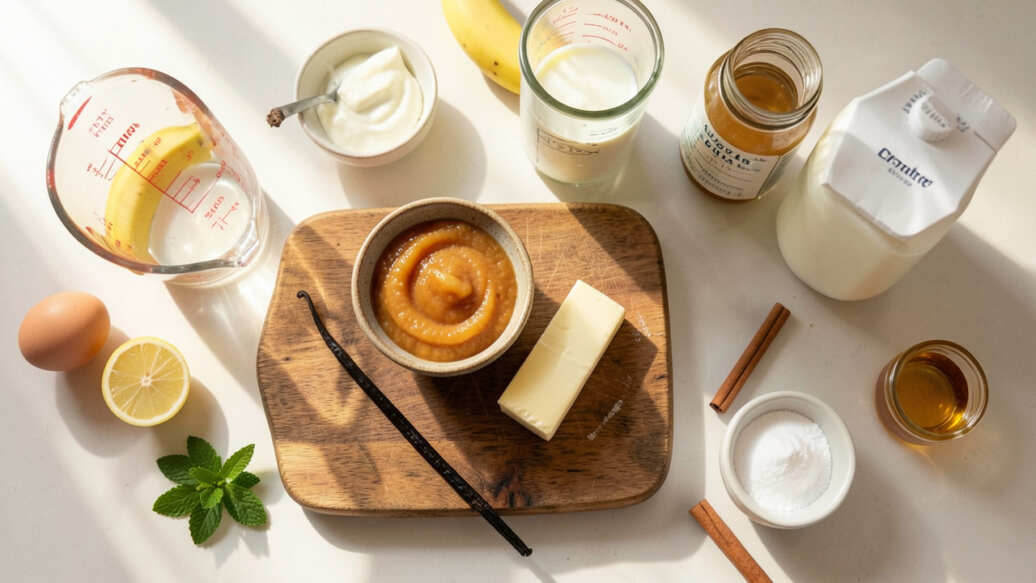
- Mashed banana: About 1/4 cup per egg. Adds moisture and a slight banana flavor.
- Applesauce: About 1/4 cup per egg. Good for moisture and binding.
- Flax egg: Mix 1 tablespoon ground flaxseed with 3 tablespoons water. Let sit for 5-10 minutes until gel-like. Great for binding.
- Silken tofu: About 1/4 cup pureed. Adds moisture and structure.
These are great for cakes, muffins, and quick breads. For recipes where eggs are the star, like custards, substitutions are harder.
Butter
Butter adds flavor and helps with texture. You can often swap it with:
- Margarine: Use an equal amount.
- Shortening: Use an equal amount. It might make baked goods a bit more tender.
- Oil: Use about 3/4 the amount of butter. This works well in cakes and muffins.
- Applesauce or yogurt: Use about half the amount of butter. This can reduce fat but might change texture.
Remember, the fat in butter contributes to crispiness in cookies. Oil might make them spread more.
Milk
Milk adds moisture and richness. You can use:
- Water: For a neutral liquid.
- Plant-based milks: Such as almond, soy, or oat milk. Use an equal amount.
- Yogurt or sour cream: Thinned with a little water. Use an equal amount. Adds tanginess.
- Evaporated milk: Diluted with water.
These are all good options for most baking needs.
Flour
All-purpose flour is common. If you’re out, consider:
- Bread flour: Use an equal amount. It has more gluten, which can make things chewier.
- Cake flour: Use slightly more (about 1 tablespoon per cup). It has less gluten for a tenderer result.
- Whole wheat flour: Use half whole wheat and half all-purpose. A full swap can make things dense.
- Gluten-free blends: Follow package directions, as they vary.
For thickening sauces, cornstarch or arrowroot powder are good alternatives to flour.
Sugar
Granulated sugar is standard. If you need a substitute:
- Brown sugar: Use an equal amount. It adds moisture and a caramel flavor.
- Honey or maple syrup: Use about 3/4 the amount of sugar and reduce other liquids by 1/4 cup per cup of sweetener.
- Powdered sugar: Not usually a direct swap for granulated sugar in baking.
Liquid sweeteners can affect the moisture balance.

Savory Dish Substitutions
Savory cooking often allows for more flexibility. Here are some common swaps for everyday meals.
Onions and Garlic
These are flavor bases for so many dishes. If you’re out of fresh:
- Onion powder: 1 teaspoon equals about 1 medium onion.
- Garlic powder: 1/4 teaspoon equals about 1 clove of garlic.
- Dried minced onion: Use about 1 tablespoon per medium onion. Rehydrate with a little water first.
- Shallots or leeks: Can often be used instead of onions, with a slightly different flavor.
These powders are pantry staples that save the day.
Herbs and Spices
If a recipe calls for a specific herb or spice, look for something similar in flavor. For example:
- Basil: Oregano or parsley can work in a pinch.
- Cilantro: Parsley is a common substitute, though the flavor is different.
- Cumin: Coriander can offer a similar earthy note.
- Paprika: Can be swapped with cayenne pepper for heat or with chili powder for more complexity.
Dried herbs are more potent than fresh. Use about 1/3 the amount of dried as fresh. These are vital for successful Substitutions: What to Use When You’re Out of an Ingredient.
Acidic Ingredients
Lemon juice and vinegar add brightness. If you’re out of lemon juice:
- Lime juice: Use an equal amount.
- White vinegar: Use about 1/2 to 3/4 the amount. It’s stronger.
- Apple cider vinegar: Use an equal amount.
If you need vinegar and have lemon juice, use that instead.
Dairy Products
Cream, sour cream, and yogurt are common. If you’re out of heavy cream:
- Evaporated milk: Can be used in some recipes.
- Milk plus butter: Mix 7/8 cup milk with 1/3 cup melted butter.
- Sour cream or plain yogurt: Can often replace cream in sauces or dips.
For sour cream, plain Greek yogurt is a great substitute. It offers similar tang and thickness.
When to Be Cautious with Substitutions
While many swaps are easy, some recipes are more sensitive. Delicate pastries, soufflés, or recipes where a specific ingredient is the main flavor require more care. In these cases, a direct substitution might change the dish significantly.
It’s always best to research specific ingredient roles if you’re unsure. Sometimes, it’s better to wait and get the correct ingredient.
Key Ingredient Focus
If an ingredient is the star of the dish, like tomatoes in tomato soup or chocolate in chocolate cake, finding a perfect substitute is hard. The flavor and texture will likely change. For instance, substituting white chocolate for dark chocolate will drastically alter the taste.
Chemical Reactions
In baking, ingredients interact chemically. Baking soda and baking powder are leavening agents. Swapping them without understanding their function can lead to flat baked goods.
If a recipe calls for baking soda and an acid (like buttermilk or vinegar), it’s reacting to create lift. Using baking powder instead might not give the same result.
Making Smart Substitution Choices
The best approach to Substitutions: What to Use When You’re Out of an Ingredient is to think like a cook. What does this ingredient do? What other ingredient can do the same thing?
Consider these factors:
- Flavor: Will the swap change the taste too much?
- Texture: Will it make the dish too dry, too wet, too dense, or too light?
- Color: Will it affect the final appearance?
- Quantity: Do you need to adjust how much you use?
When in doubt, start with a smaller amount and add more if needed. This is a general rule for many Substitutions: What to Use When You’re Out of an Ingredient.
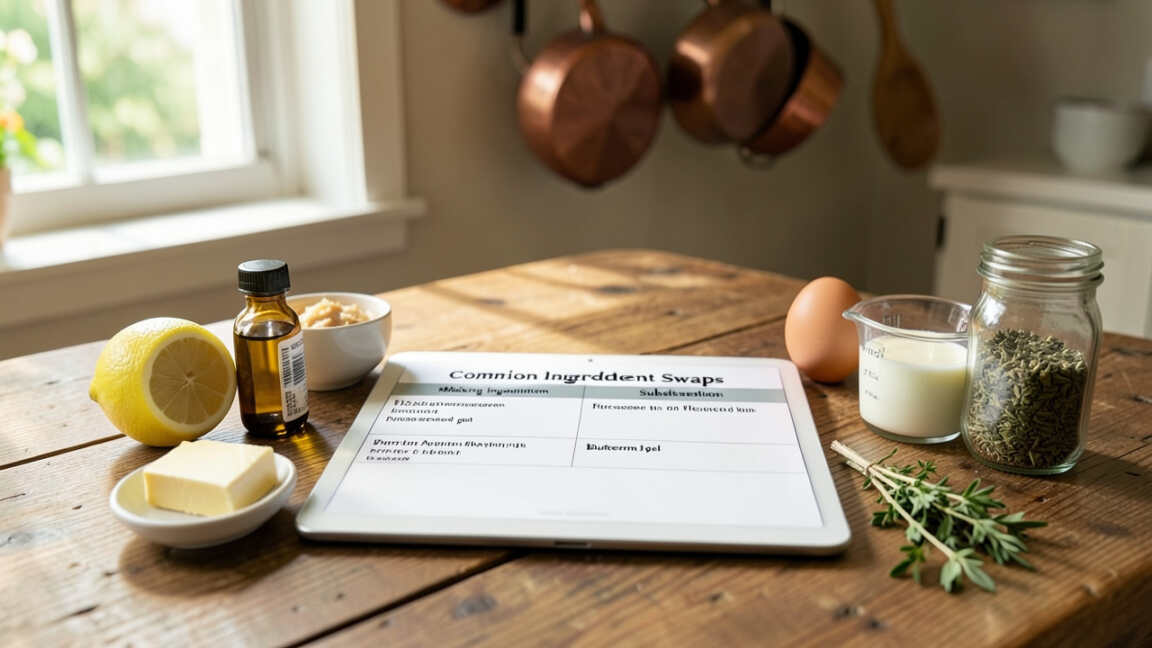
Table: Common Ingredient Swaps
Here’s a quick reference for some common kitchen needs. This table highlights simple Substitutions: What to Use When You’re Out of an Ingredient.

Tips for Successful Substitutions
Making good choices about Substitutions: What to Use When You’re Out of an Ingredient is a skill. Here are some tips to help you:
- First, identify the role of the missing ingredient.
- Second, think about ingredients you have that perform a similar function.
- Next, consider the flavor profile. Will the swap clash or complement?
- Then, if you’re unsure about quantity, start with less and add more.
- Finally, taste as you go. This is the best way to ensure your dish is balanced.
Frequently Asked Questions
What is the best substitute for eggs in baking?
For general baking, a flax egg (1 tbsp ground flaxseed + 3 tbsp water, let sit), 1/4 cup applesauce, or 1/4 cup mashed banana per egg are good choices. They help bind and add moisture.
Can I use oil instead of butter in cookies?
Yes, you can often use oil instead of butter in cookies, but use about 3/4 the amount. It might change the texture, making them spread more and be less crisp.
What can I use if I’m out of all-purpose flour?
You can try bread flour, but it has more gluten. Cake flour can also work if you use a bit more. For some recipes, all-purpose gluten-free blends might be suitable.
Is there a good substitute for lemon juice?
Yes, lime juice is an excellent direct swap. White vinegar or apple cider vinegar can also work, but use about half to three-quarters the amount as they are more potent.
What if I don’t have a specific spice?
Look for spices with a similar flavor profile. For example, in a pinch, cinnamon can sometimes substitute for nutmeg, or coriander for cumin, though the flavor will be slightly different. Understanding the general flavor category (warm, spicy, earthy) helps.
How do I know if a substitution will work for Substitutions: What to Use When You’re Out of an Ingredient?
Consider the ingredient’s main job: flavor, moisture, binding, or leavening. Then, choose a substitute that performs a similar function. Tasting and adjusting as you cook is also key to successful Substitutions: What to Use When You’re Out of an Ingredient.
Final Thoughts
Don’t let a missing ingredient stop your cooking. Knowing simple Substitutions: What to Use When You’re Out of an Ingredient empowers you to adapt recipes. Focus on the ingredient’s role and choose swaps that match.
This skill saves time, reduces waste, and keeps your meals delicious.