How To Bring Cold Eggs To Room Temp Fast
At a Glance To bring cold eggs to room temperature fast, place them in a bowl of warm water at around 100 to 110 degrees Fahrenheit for 5 to 10 minutes. This is the safest and most effective method, a…
To bring cold eggs to room temperature fast, place them in a bowl of warm water at around 100 to 110 degrees Fahrenheit for 5 to 10 minutes. This is the safest and most effective method, as it warms eggs without cooking them, allowing them to blend seamlessly into batters for improved texture and volume. Using warm water from a kettle or a steaming technique can speed up the process, while microwaving or direct heat should be avoided to prevent partial cooking.
When you’re in the middle of baking or cooking, the last thing you want is to be held up by cold eggs. Getting them to the right temperature quickly means your recipes turn out just right, every time. Whether you’re making a delicate cake or fluffy scrambled eggs, room temperature eggs blend better and create a smoother batter.
Learning How to Bring Cold Eggs to Room Temp Fast will save you time and improve your results in the kitchen, making your cooking adventures smoother and more successful.
Key Takeaways
- Understand why room temperature eggs are better for baking and cooking.
- Discover the fastest and safest methods for warming eggs.
- Learn techniques to avoid cooking the eggs accidentally.
- Find out how to tell when your eggs are at the perfect temperature.
- Explore tips for planning ahead so eggs are ready when you need them.

Why Room Temperature Eggs Matter for Your Recipes
Eggs are a fundamental ingredient in so many recipes. When they are cold, they don’t mix as well with other ingredients, especially fats like butter or oil. This can lead to a lumpy batter or a dish that doesn’t have the right texture.
Room temperature eggs emulsify better, meaning they create a stable mixture. This leads to lighter cakes, smoother sauces, and richer custards. It’s a small step that makes a big difference in the final outcome of your cooking and baking projects.
When eggs are cold, their fat and water content are more solid. This makes it harder for them to combine smoothly with other ingredients. Imagine trying to mix cold butter into flour – it’s tough.
Cold eggs behave similarly. They can create pockets of unmixed ingredients, leading to a less-than-perfect texture. This is why understanding How to Bring Cold Eggs to Room Temp Fast is so helpful for anyone who loves to bake or cook.
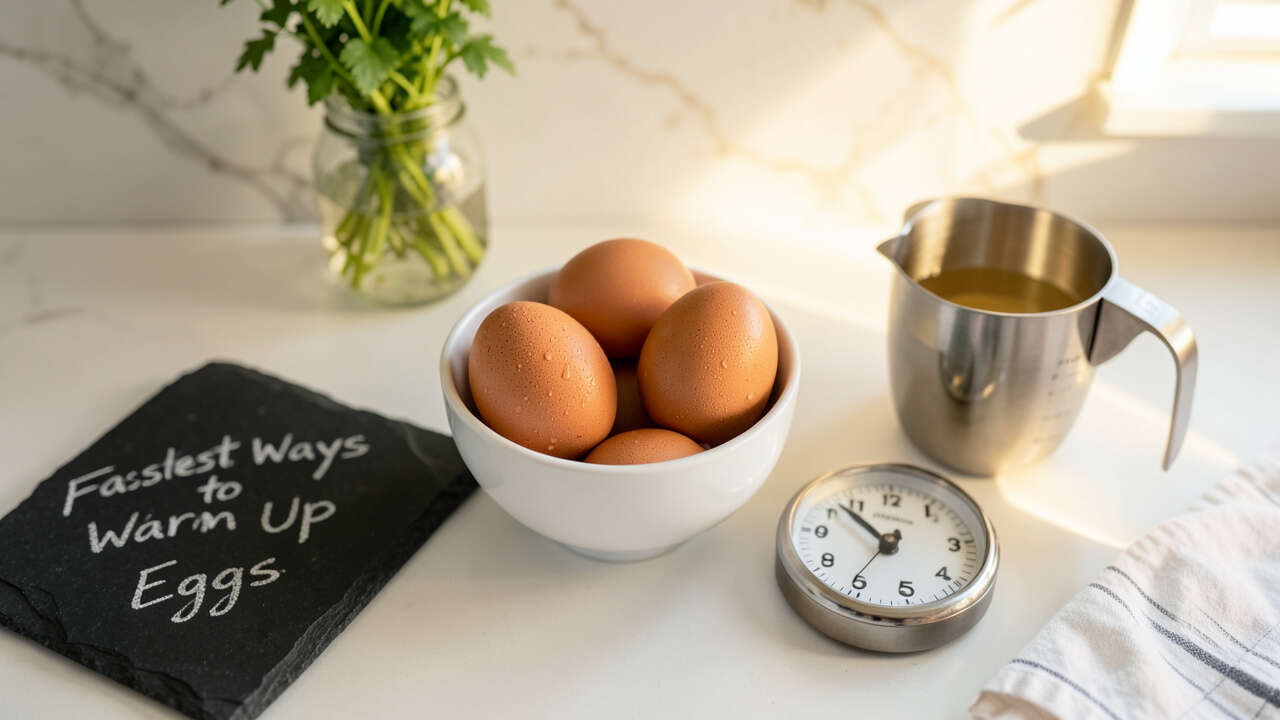
The Fastest Ways to Warm Up Eggs
You don’t have to wait hours for eggs to warm up naturally. There are several quick methods you can use. These techniques are designed to bring eggs to room temperature efficiently without cooking them.
Let’s look at the best options for when you need to speed things up.
The Warm Water Bath Method
This is a popular and effective way to quickly warm eggs. It uses the gentle heat of water to bring the eggs to room temperature. It’s safe and easy to do with items you likely already have in your kitchen.
First, get a bowl and fill it with warm, not hot, water. The water should feel warm to the touch, like a comfortable bath, but not so hot that you can’t hold your hand in it. If the water is too hot, you risk cooking the eggs.
Next, gently place the cold eggs into the warm water. Make sure the eggs are fully submerged. You can leave the eggs in their shells.
This method works best for a few eggs at a time.
Then, let the eggs sit in the warm water for about 5 to 10 minutes. The exact time depends on how cold the eggs were to begin with and the temperature of the water. You might need to change the water once if it cools down too much.
Finally, carefully remove the eggs from the water. They should now be at room temperature and ready to use in your recipe. This is a reliable way to achieve the goal of How to Bring Cold Eggs to Room Temp Fast.
Using a Bowl and a Kettle
This method is similar to the warm water bath but can be a bit quicker if you’re careful. It involves using hot water from a kettle to heat a bowl, which then warms the eggs.
Boil some water in a kettle. While the water is boiling, find a heatproof bowl large enough to hold your eggs comfortably. Pour some of the hot water into the bowl, just enough to create a warm environment.
Carefully place the cold eggs into the warm bowl. You can leave the eggs in their shells. Cover the bowl with a plate or lid to trap the heat.
Let them sit for about 5 minutes.
The steam and warmth from the bowl will gently heat the eggs. This is a good method if you need eggs ready in a pinch. It’s a clever trick for understanding How to Bring Cold Eggs to Room Temp Fast.
The Steaming Method
Steaming is another gentle yet effective way to warm eggs. It uses the power of steam to bring them up to temperature quickly.
Get a pot with a lid. Add about an inch of water to the pot. Place a steamer basket or a heatproof colander inside the pot, making sure it doesn’t touch the water.
Bring the water to a simmer. Carefully place your cold eggs in the steamer basket. Cover the pot with the lid.
Let the eggs steam for about 3 to 5 minutes.
The steam will gently warm the eggs without cooking them. This method is great because it’s consistent. It helps you achieve the perfect temperature for your recipes when you need to know How to Bring Cold Eggs to Room Temp Fast.
Methods to Avoid (or Use with Caution)
While speed is the goal, it’s crucial to avoid methods that can accidentally cook your eggs. Undercooked eggs can ruin a recipe, so it’s important to be aware of what not to do.
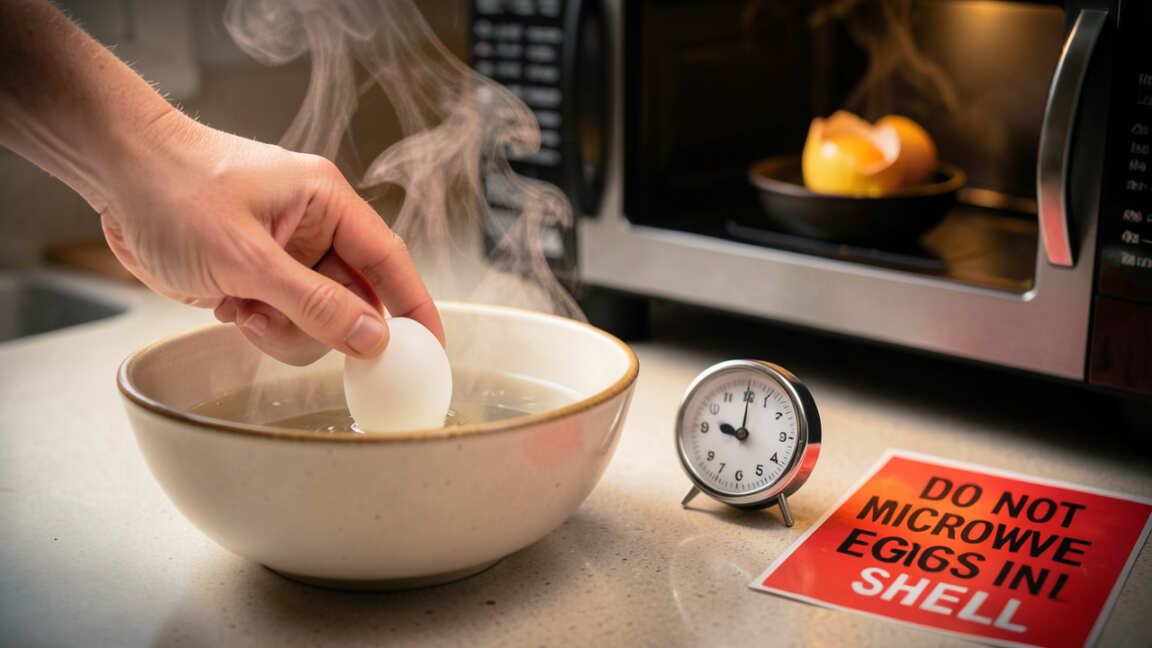
Microwaving Eggs
Using a microwave to warm eggs is generally not recommended. Microwaves heat food unevenly. You risk cooking parts of the egg while leaving other parts cold, or even causing the egg to explode due to steam buildup inside the shell.
If you absolutely must try to warm eggs in a microwave, do so with extreme caution. Crack the eggs into a bowl, whisk them lightly, and microwave on a very low power setting for short intervals (10-15 seconds at a time). Stir between each interval.
However, for most recipes, this method is best avoided when trying to achieve the best results from How to Bring Cold Eggs to Room Temp Fast.
Direct Heat Sources
Placing eggs directly on a hot stove burner or in a very hot pan is a sure way to cook them. Even on a low setting, direct heat can be too intense for gently warming eggs.
Always opt for indirect heat methods like warm water baths or steaming. These methods provide a more controlled and even warming process. This ensures you’re learning How to Bring Cold Eggs to Room Temp Fast without the risk of cooking them prematurely.
How to Tell When Eggs Are Ready
Knowing when your eggs have reached room temperature is important. You don’t want to use them too soon or let them sit out too long.
A good indicator is the feel of the egg. If you touch a room temperature egg, it should feel neither cold nor warm. It should feel neutral to your touch.
If you’re using the warm water bath method, the eggs will feel slightly warmer than when they were straight from the fridge.
For baking recipes, the ideal temperature is typically between 65°F and 70°F (18°C to 21°C). If you have a thermometer, you can check the temperature of the water you used for warming. This helps ensure you’re mastering How to Bring Cold Eggs to Room Temp Fast.
Another sign is how they behave in your recipe. If you’re creaming butter and sugar, room temperature eggs will incorporate smoothly. If they resist mixing or make the mixture look curdled, they might still be too cold.
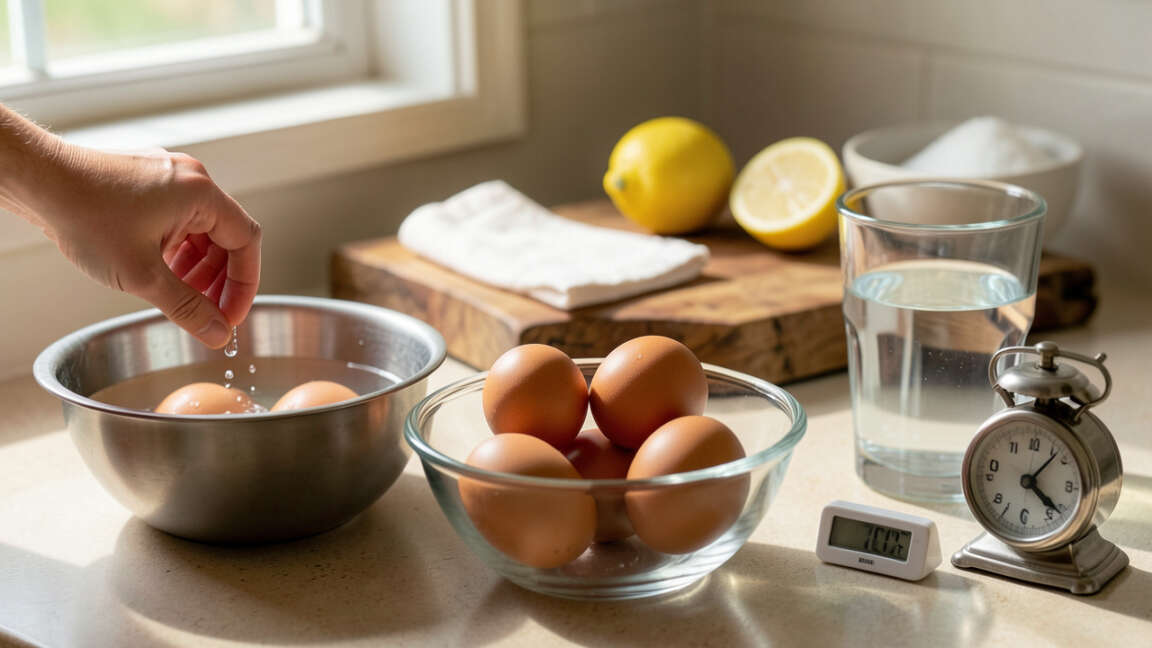
Comparing Warming Methods
Different situations call for different methods. Here’s a quick look at how some common methods stack up.
As you can see, the warm water bath and steaming methods are excellent choices for learning How to Bring Cold Eggs to Room Temp Fast safely and effectively.
Tips for Planning Ahead
Sometimes, the best way to handle cold eggs is to plan ahead. If you know you’ll be baking or cooking later, you can simply take the eggs out of the refrigerator in advance.
For recipes that call for room temperature eggs, take them out of the fridge about 30 to 60 minutes before you plan to start cooking. This allows them to gradually come to room temperature on their own.
If you forget or don’t have that much time, you can always use the quick methods described earlier. It’s good to have both options available. This way, you’re always prepared and know How to Bring Cold Eggs to Room Temp Fast when needed.

Why This Matters for Different Recipes
Understanding How to Bring Cold Eggs to Room Temp Fast is not just about convenience; it directly impacts the quality of your food.
Baking Cakes and Pastries
In cakes, eggs provide structure, leavening, and moisture. When cold, they don’t cream properly with sugar and butter, which can lead to a dense cake. Room temperature eggs help create an emulsion that traps air, resulting in a lighter, fluffier texture.
This is a key reason why bakers emphasize using room temperature eggs.
Making Custards and Sauces
For recipes like custards, puddings, or hollandaise sauce, smooth texture is essential. Cold eggs can cause these mixtures to curdle or become grainy. Warm eggs blend smoothly, creating a silky, consistent finish that is desired in these delicate preparations.
Whipping Egg Whites for Meringues
When whipping egg whites for meringues or soufflés, temperature plays a role in volume. While slightly cooler eggs might whip up a bit more reliably, eggs that are too cold can be harder to incorporate fully. Room temperature eggs generally whip to a better volume and stability when done correctly.
Cooking Breakfast Dishes
Even for simple scrambled eggs or omelets, using eggs that aren’t ice-cold can make a difference. They tend to cook more evenly and can create a creamier texture. This is a simple application of knowing How to Bring Cold Eggs to Room Temp Fast for everyday meals.
Frequently Asked Questions
Question: What happens if I use cold eggs in my baking?
Answer: Using cold eggs can result in a denser cake, a less smooth batter, and uneven mixing of ingredients. It can negatively affect the texture and rise of your baked goods.
Question: Can I warm eggs by running them under hot water?
Answer: It’s best to avoid running eggs directly under hot water. The heat can be too intense and might cook the eggs. A warm water bath is a safer and more controlled method for warming eggs.
Question: How long do eggs need to be out of the fridge to reach room temperature?
Answer: Typically, eggs need about 30 to 60 minutes at room temperature to reach the ideal warmth. If you’re in a hurry, quick methods can speed this up considerably.
Question: Is it safe to leave eggs out of the refrigerator for extended periods?
Answer: For quick warming, it is safe. However, for long-term storage, eggs should always be kept refrigerated to prevent spoilage. The quick warming methods are for immediate use.
Question: How do I know if I’ve accidentally cooked my eggs while trying to warm them?
Answer: If you see any signs of the egg white turning opaque or solid, they have likely started to cook. The warm water bath and steaming methods are designed to prevent this.
Question: Can I speed up How to Bring Cold Eggs to Room Temp Fast by cracking them first?
Answer: Yes, cracking the eggs into a bowl and then placing that bowl in a warm water bath can be slightly faster than warming them in their shells, as heat transfers more directly.
Final Thoughts
Learning How to Bring Cold Eggs to Room Temp Fast is a simple skill that greatly improves your cooking and baking. Using quick methods like a warm water bath or steaming ensures your eggs are ready in minutes. This leads to better textures and more successful recipes every time you cook.