Smart Pantry Labeling Systems
At a Glance Smart Pantry Labeling Systems are organized approaches to labeling food containers in the pantry using digital displays, printable templates, or label maker stickers to improve inventory t…
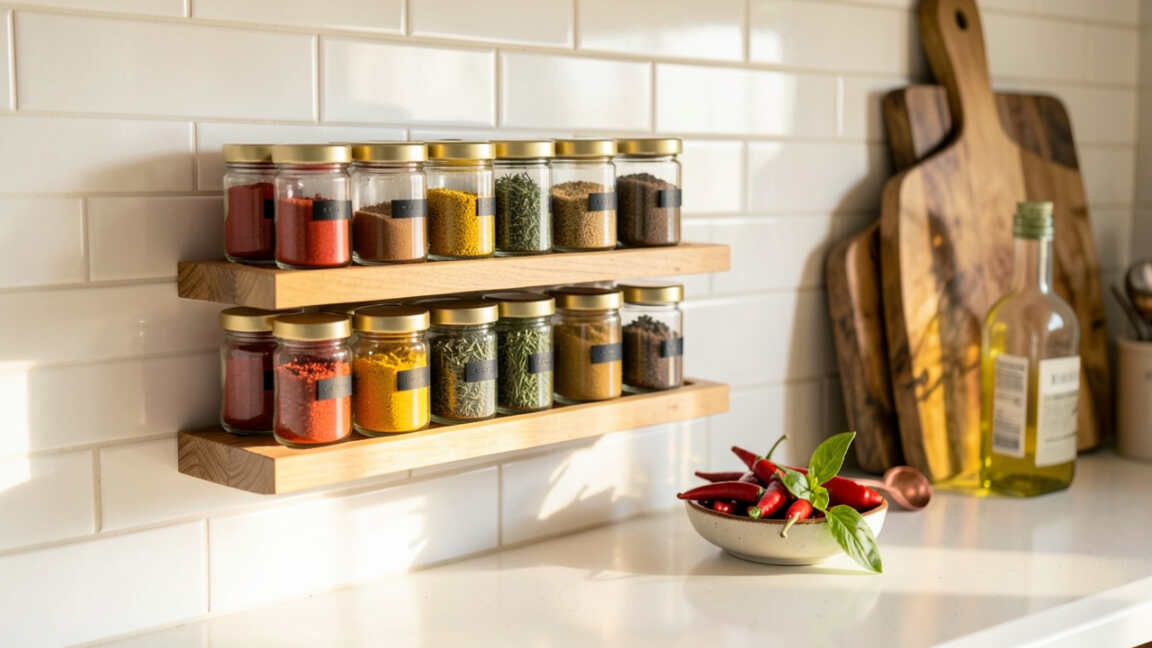
Smart Pantry Labeling Systems are organized approaches to labeling food containers in the pantry using digital displays, printable templates, or label maker stickers to improve inventory tracking. These systems reduce food waste by clearly showing expiration dates and quantities, allowing household members to quickly assess what they have. Effective implementation streamlines grocery shopping and meal planning by eliminating duplicate purchases and simplifying kitchen management.
Keeping your kitchen pantry organized can feel like a constant battle. You open the door, and it’s a jumble of cans, boxes, and bags. Finding what you need quickly can be tough, especially when you’re in a hurry.
That’s where Smart Pantry Labeling Systems come in. They aren’t just about making things look neat; they help you know exactly what you have, how much you have, and when it might expire. This means less wasted food, easier meal planning, and a calmer kitchen experience for everyone.
Key Takeaways
- Smart pantry labels help you track food inventory.
- They reduce food waste by showing expiration dates.
- You can easily find items when you need them.
- These systems simplify grocery shopping and meal planning.
- Choosing the right system depends on your needs and budget.
Why Smart Pantry Labels Make a Difference
Think about the last time you couldn’t find a specific spice or realized you had three jars of the same thing. It’s frustrating and can lead to buying duplicates. This is where smart solutions shine.
They bring order to the chaos. You can see at a glance what’s available. This saves time searching.
It also stops you from buying things you already own. A well-labeled pantry means less stress when cooking. It makes your kitchen a more enjoyable space.
The main benefit is efficiency. When everything has a clear label, you spend less time digging around. Meal prep becomes smoother.
Grocery lists are more accurate. No more guessing if you have enough pasta. You just check the label.
This practical approach saves money too. You buy only what you need. You use what you buy before it goes bad.
This is a big win for your wallet and the environment.

Types of Smart Pantry Labeling Systems
There are several ways to make your pantry smarter with labels. Some are very high-tech, while others are simpler. The best choice depends on what you want and how much you want to spend.
Each type offers a different level of organization and tracking.
Digital Labeling Solutions
These systems use technology to keep track of your food. They often involve special labels or containers. You might scan items as you put them away.
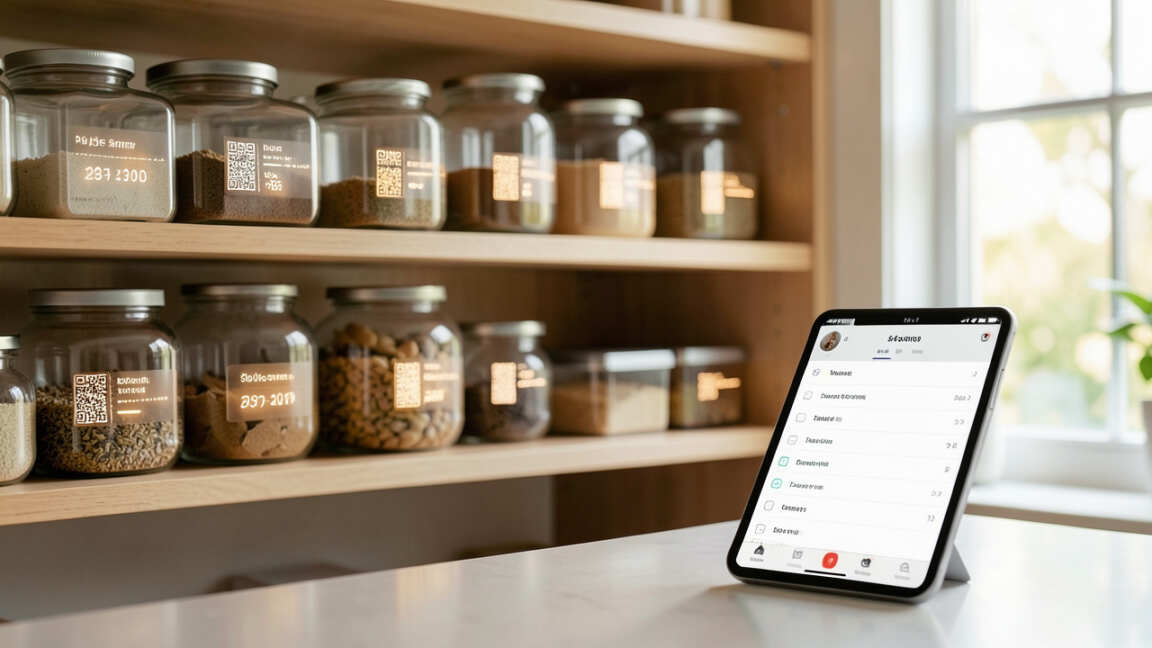
An app on your phone or a smart device then shows you your inventory. This is great for people who love gadgets and want detailed tracking. You can often set reminders for when food is nearing its expiration date.
It’s like having a personal pantry assistant.
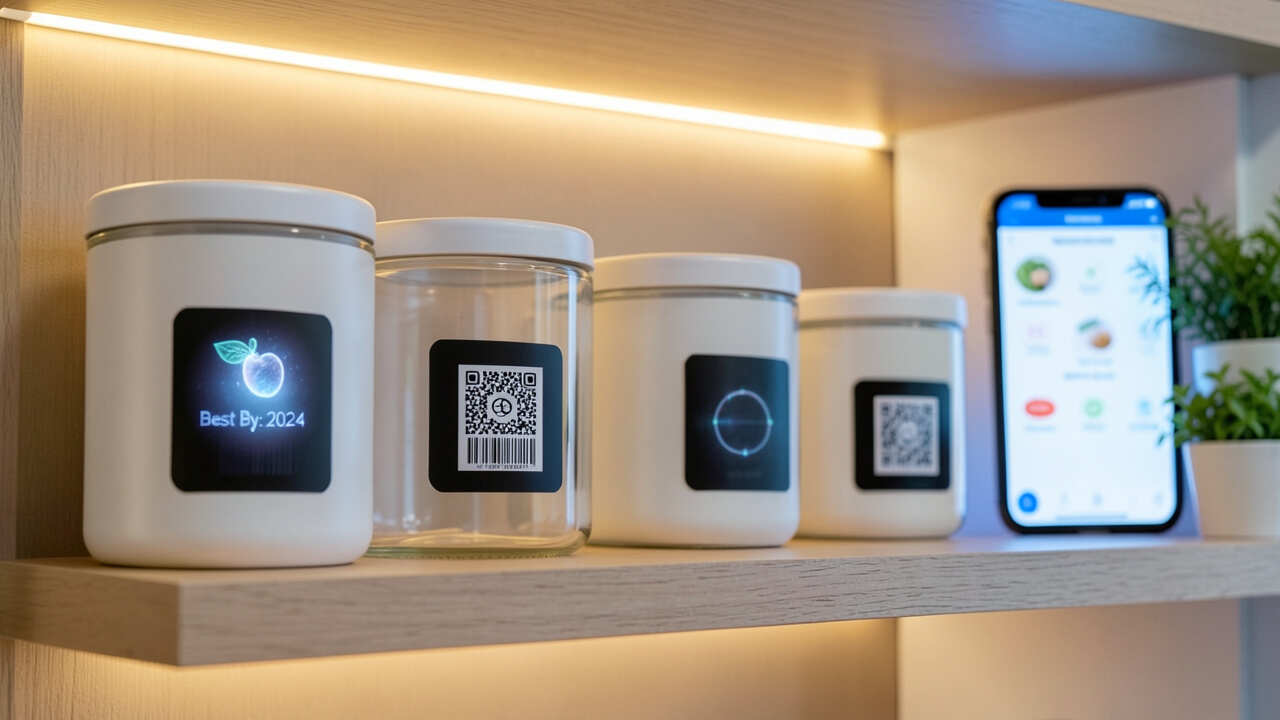
Some digital systems use QR codes. You stick a QR code label on each item. When you use it, you scan the code again.
The system updates your inventory. Other systems might use NFC tags. These are small chips you can tap with your phone.
They store information about the food. You can also find smart containers that weigh themselves and tell you how much is left. These are the most advanced options for Smart Pantry Labeling Systems.
Printable and Customizable Labels
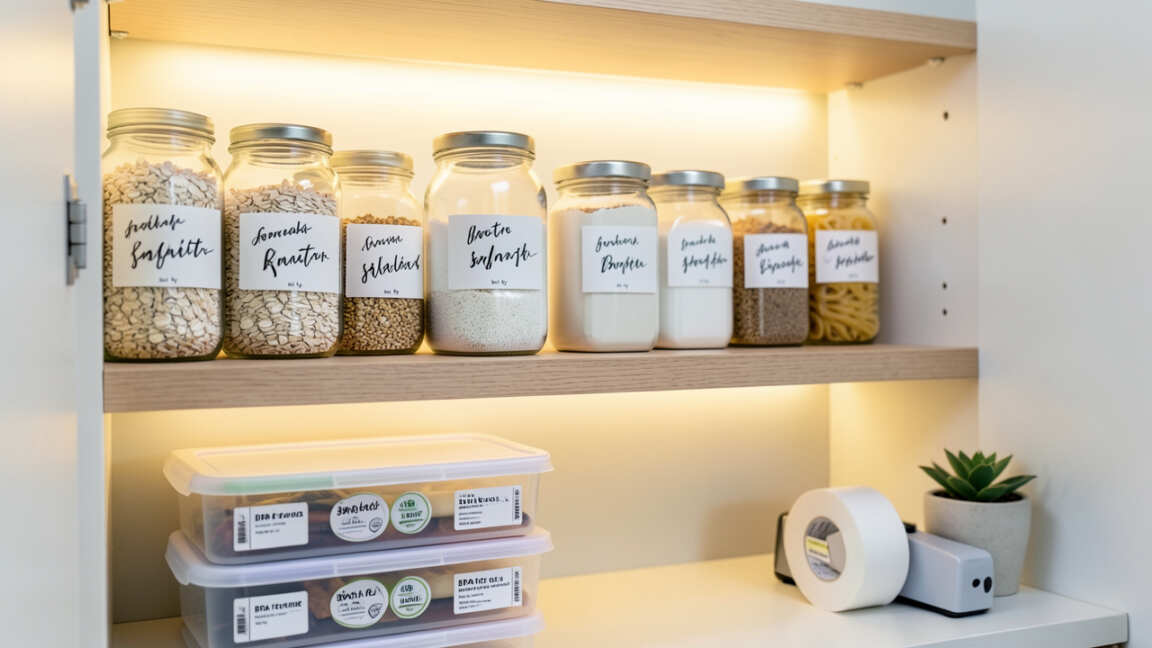
For those who prefer a more hands-on approach, printable labels are a fantastic option. You can design them yourself using software or templates. Then, you just print them out on sticker paper.
This gives you complete control over the look and information on each label. You can add item names, purchase dates, and expiration dates.
These labels are very affordable. You can print as many as you need. They work well for dry goods, spices, and canned items.
While they don’t automatically update inventory, they provide clear visual cues. This is a step up from basic marker labels. They make your pantry look more organized and professional.
Many people find this level of customization very satisfying.
Label Makers and Sticker Systems
Classic label makers are still a popular choice. They offer a clean, printed look for your pantry items. Modern label makers can create various font styles and sizes.
You can buy them in different colors too. They are easy to use and produce durable labels. These are great for consistent labeling across all your pantry goods.
They create a uniform appearance.
Sticker systems are similar. You can buy pre-made labels or blank sticker sheets. Some brands offer refillable sticker cartridges for label makers.
The key is consistency. When all your labels match, your pantry looks much tidier. This type of system is a good middle ground.
It’s more advanced than handwriting but less complex than digital solutions. It’s a practical way to implement Smart Pantry Labeling Systems.
Benefits of Using Smart Pantry Labels
The advantages of using any type of Smart Pantry Labeling Systems go beyond just tidiness. They directly impact how you manage your kitchen and food. You’ll find yourself saving time and money more often than you might expect.
Reducing Food Waste
One of the biggest benefits is cutting down on wasted food. When you can clearly see expiration dates on labels, you’re more likely to use items before they spoil. This is especially true for things like canned goods, dried pasta, and baking supplies that can sit on shelves for a long time.
Knowing what you have prevents overbuying. It also encourages you to rotate your stock, using older items first.
Imagine finding a can of soup that’s past its prime. That’s money down the drain. With good labeling, this happens less often.
You can set up a system where you write the date you bought an item. Or, if using a digital system, it can track this for you. This mindful approach to food management benefits your budget and the planet.
Streamlining Grocery Shopping
Creating accurate grocery lists becomes much easier with a labeled pantry. You can do a quick scan of your shelves and see exactly what you’re running low on. No more buying things you already have plenty of.
No more forgetting essential items. This saves you multiple trips to the store and reduces impulse buys. A well-organized pantry supports smarter shopping habits.
When you go to the store, you can even take a photo of your pantry shelves. This visual reminder helps when you’re comparing prices or looking for deals. It ensures you’re stocking up on what you truly need.
This efficiency translates into less time spent shopping and more time for other activities.
Simplifying Meal Planning
Meal planning is significantly easier when you know your pantry’s contents. You can quickly see what ingredients you have on hand. This helps you decide what meals to make for the week.
It can even inspire new recipe ideas based on what needs to be used up. A clear inventory prevents last-minute rushes to the store for missing ingredients.
Using Smart Pantry Labeling Systems can also help you plan meals around items nearing their expiration. This is a smart way to reduce waste. You can organize your labels by meal type or cuisine.
This makes it even faster to pull together a meal plan. It turns a sometimes-stressful task into a simple process.

How to Set Up Your Smart Pantry Labels
Getting started with smart pantry labeling is straightforward. You don’t need to be a tech expert. A few simple steps can transform your pantry.
It’s about building good habits with the right tools.
- First, assess your current pantry. See what types of items you store most. Note how much space you have. This helps you decide on the best labeling method.
- Second, choose your labeling system. Will it be digital, printable, or a label maker? Consider your budget and how much detail you want.
- Next, gather your supplies. This might include labels, a printer, a label maker, or a smartphone app.
- Then, start labeling. Clean out your pantry and group similar items together. Label each item clearly. For digital systems, enter the item details.
- Finally, maintain the system. Update labels when you use or restock items. Regularly check expiration dates. Consistency is key to long-term success.
Choosing the Right Labels
The type of label you use matters. For dry goods like flour and sugar, consider airtight containers with labels. For spices, small, uniform labels on the lids or fronts work well.
Canned goods benefit from clear labels on the sides. Think about the environment your labels will be in. They should be durable and easy to read even in dim light.
Consider using different colors for different categories. For example, red for baking supplies, blue for canned vegetables, green for pasta and grains. This adds another layer of organization.
It makes finding things even faster. This visual cue is a powerful part of effective Smart Pantry Labeling Systems.
Organizing Your Pantry for Labeling
Before you apply any labels, a good pantry organization is essential. Group like items together. Put baking supplies in one section, snacks in another, and canned goods in a third.
Use shelves, bins, and baskets to create distinct zones. This makes the labeling process much more efficient. It also makes the finished product much more functional.
Measure your shelves and containers. This helps you choose labels that fit well. You don’t want labels that are too big or too small.
They should be easy to read from a reasonable distance. A clean, organized space is the foundation for any successful labeling system.
Digital vs. Traditional Pantry Labeling
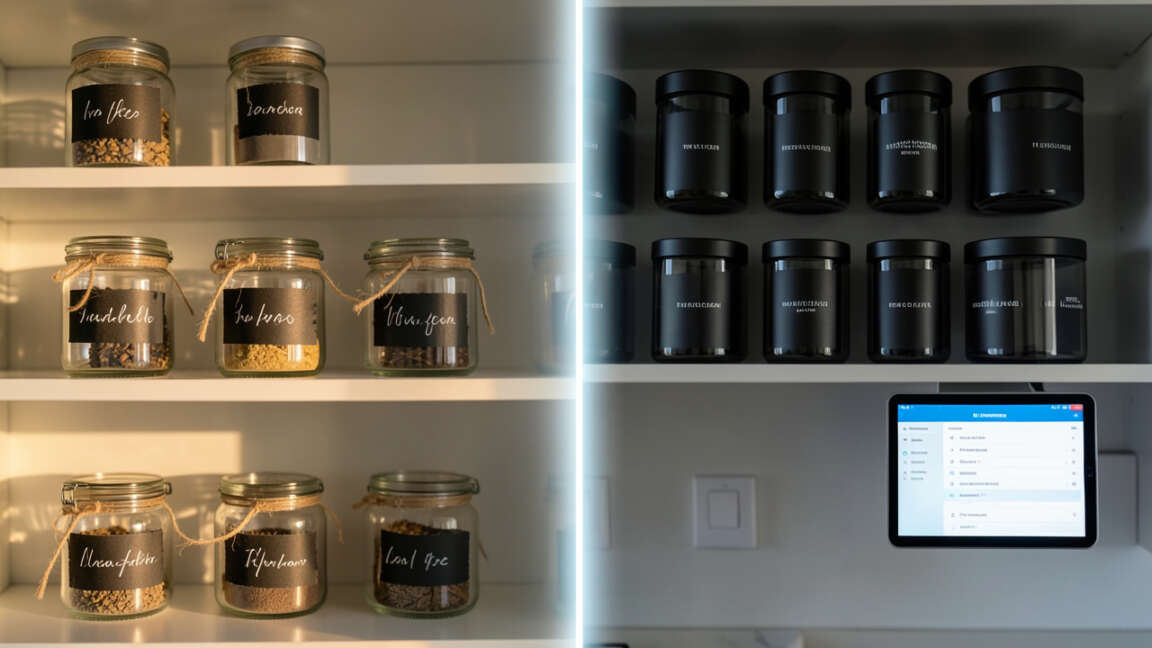
When you’re looking at Smart Pantry Labeling Systems, you’ll likely weigh digital options against more traditional methods. Both have their strengths. The best choice depends on your lifestyle and preferences.
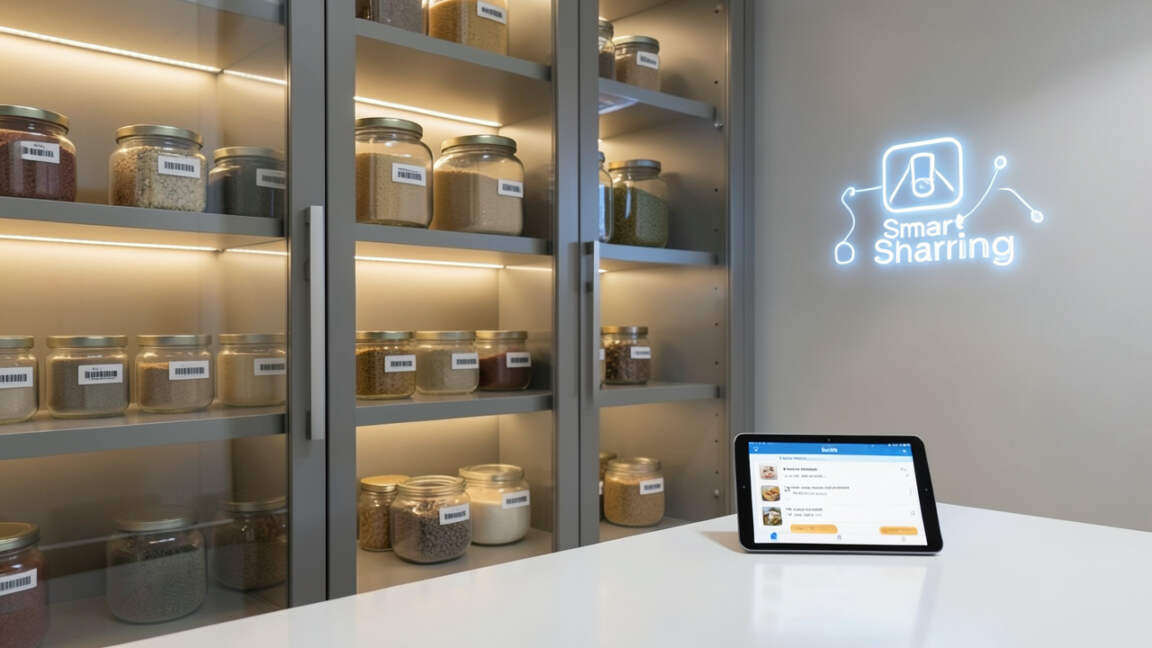
Digital systems offer advanced features like automatic inventory updates and expiration alerts. They are perfect for tech-savvy individuals who want to automate as much as possible. You can often create shared lists with family members.
This makes grocery shopping and meal planning a collaborative effort.
Traditional labels, on the other hand, are straightforward and reliable. They don’t require batteries or Wi-Fi. They are a great way to add clarity and order without a steep learning curve.
Many people find that well-designed printable or label-maker labels are sufficient for their needs. They provide a visual system that is easy to understand.
Making Your Pantry Truly Smart
A truly smart pantry goes beyond just labels. It’s about creating a system that works for you. Think about how you use your kitchen.
What are your biggest challenges? Tailor your labeling and organization to solve those specific problems.
Consider adding a small whiteboard or notepad near your pantry. You can jot down items you need to buy as you notice them. This complements your labeling system.
It ensures nothing gets missed. A smart pantry is one that makes your life easier and your kitchen more functional.
Frequently Asked Questions
Question: What is the main goal of smart pantry labeling systems?
Answer: The main goal is to improve organization, reduce food waste, and make it easier to track what you have in your pantry.
Question: Are smart pantry labeling systems expensive?
Answer: The cost varies. Digital systems can be pricier, but traditional methods like printable labels or label makers are quite affordable.
Question: How do I choose the best smart pantry labeling system for me?
Answer: Consider your budget, how tech-savvy you are, and the level of detail you want for tracking your food items.
Question: Can smart pantry labels help me save money?
Answer: Yes, by reducing food waste and preventing duplicate purchases, these systems can help you save money on groceries.
Question: How often should I update my pantry labels?
Answer: Update labels as you use items and restock your pantry. Regularly checking expiration dates is also important.
Question: Do I need a special app for smart pantry labeling systems?
Answer: Only digital systems typically require a dedicated app. Traditional label makers or printable labels do not need any apps.
Final Thoughts
Implementing Smart Pantry Labeling Systems brings order and efficiency to your kitchen. You’ll waste less food, shop smarter, and plan meals with ease. Start simple and find the system that best fits your home.
Your pantry will thank you.