Smart Freezer Organization Tricks
At a Glance Smart freezer organization tricks focus on maximizing vertical space, using clear containers, and implementing a labeling system that includes dates and contents to prevent food waste. Gro…
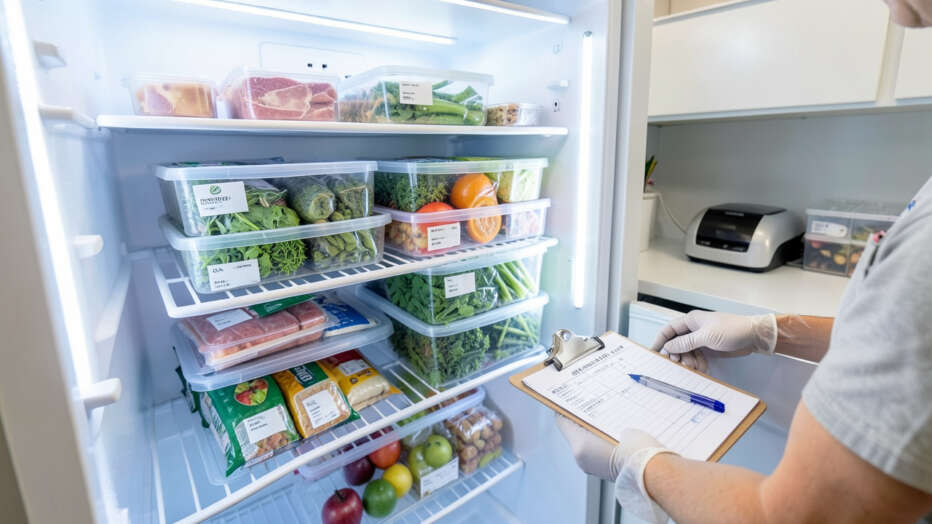
Smart freezer organization tricks focus on maximizing vertical space, using clear containers, and implementing a labeling system that includes dates and contents to prevent food waste. Grouping similar items into designated zones with dividers or bins, combined with a first-in, first-out rotation method, ensures that older items are used before they spoil. These strategies transform a chaotic freezer into an efficient storage system that saves time and money by making ingredients easy to find and meal prep straightforward.
Keeping your freezer tidy can save you time and money. When your freezer is a mess, you might not see what you have. This can lead to food going bad or buying things you already own.
Simple changes can make a big difference. Getting your freezer organized means you can find ingredients fast. You’ll also waste less food and make meal planning much easier.
Let’s look at some Smart Freezer Organization Tricks that will help you make the most of your frozen food.
Key Takeaways
- Using the right containers helps keep food fresh and organized.
- Labeling everything clearly prevents confusion and food waste.
- Grouping similar items makes finding what you need quicker.
- Maximizing freezer space means you can store more efficiently.
- Regular decluttering keeps your freezer manageable and functional.
- FIFO (First-In, First-Out) helps use older items before they expire.
Maximize Space with Smart Storage Solutions
Your freezer’s capacity is precious. Making sure you use every inch wisely is key. Simple containers and dividers can transform a chaotic freezer into an orderly one.
Think about how you use your freezer most often. Do you freeze a lot of bulk meats? Or perhaps you freeze leftover meals?
The types of items you store will influence the best storage methods.
Choose the Right Containers
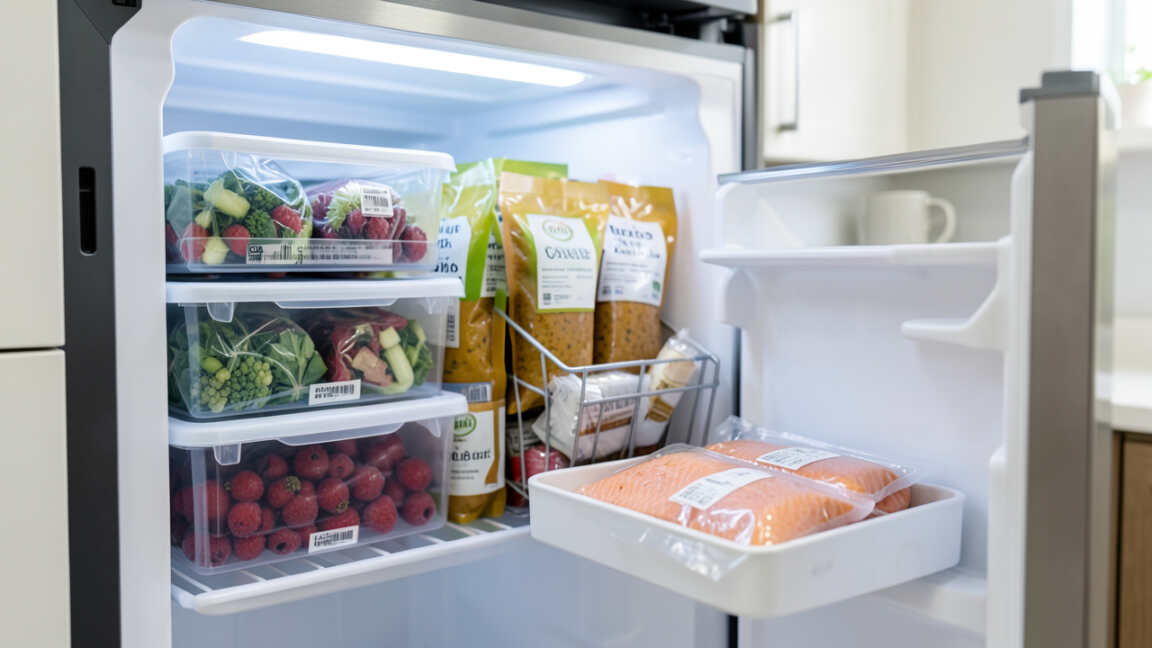
Ditch the mismatched bags and boxes. Invest in good quality, stackable containers. These save space and prevent freezer burn.
Look for airtight seals. This is crucial for keeping food fresh. Glass or BPA-free plastic containers work well.
They are also reusable, which is good for the environment.
For smaller items like herbs or berries, consider using ice cube trays. Once frozen, pop them out and store them in a labeled bag. This is a great way to manage small portions.
It’s one of those simple Smart Freezer Organization Tricks that really works.
Utilize Vertical Space
Freezers often have a lot of vertical space. Don’t let it go to waste. Shelf dividers can help create distinct zones.
This stops items from toppling over. Stackable bins or baskets are also excellent. They allow you to pull out one bin to access items inside without disturbing others.
Consider a freezer rack if your freezer is deep. This brings items closer to the front. It makes them easier to see and reach.
Many of these solutions are inexpensive. They offer a big return in terms of organization and usability.
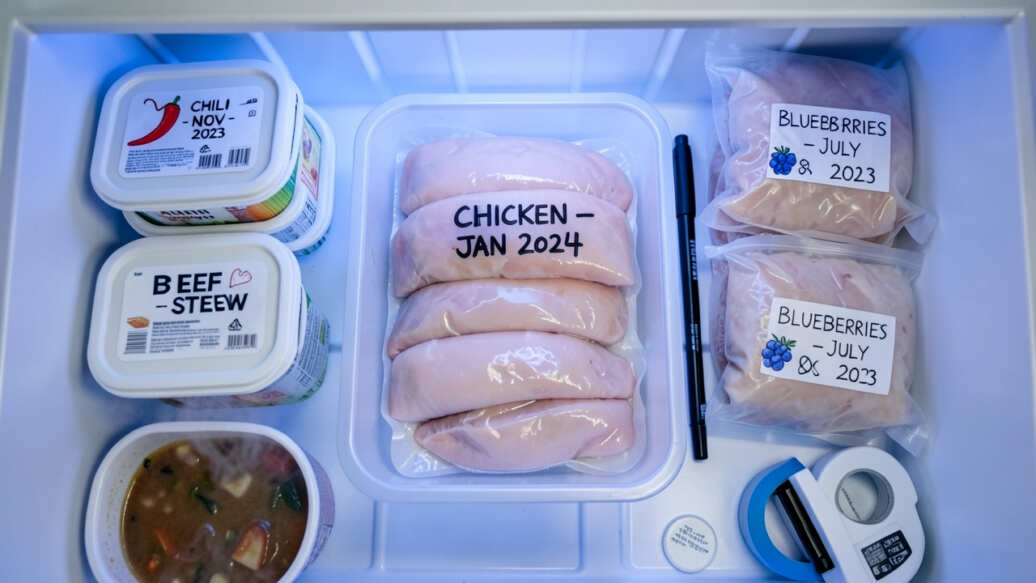
Labeling: Your Freezer’s Best Friend
This might sound basic, but clear labeling is a game-changer. Without labels, you’re guessing. You might thaw something only to find out it’s not what you thought.
Good labeling saves time and prevents disappointment. It’s a core part of effective Smart Freezer Organization Tricks.
What to Include on Labels
Always write the item’s name on the label. Also, include the date you froze it. This is important for tracking freshness.
For pre-made meals, you might add cooking instructions or serving size. This information is a lifesaver when you’re in a hurry.
Use a permanent marker that won’t fade. Labels should be easy to read. Consider using a label maker for a neat, uniform look.
If you’re freezing leftovers, be specific. Instead of “Chicken,” write “Cooked Chicken Breast” or “Chicken Stir-fry Leftovers.”
Labeling Methods
There are several ways to label. You can use masking tape and a marker. This is quick and easy.
For a more durable option, use freezer-specific labels. These are designed to stick in cold temperatures. Some people even use painter’s tape.
It comes off cleanly and is often cheaper.
First, decide on a labeling system. Second, stick to it consistently. This makes finding things much simpler.
It’s a fundamental step in implementing Smart Freezer Organization Tricks.
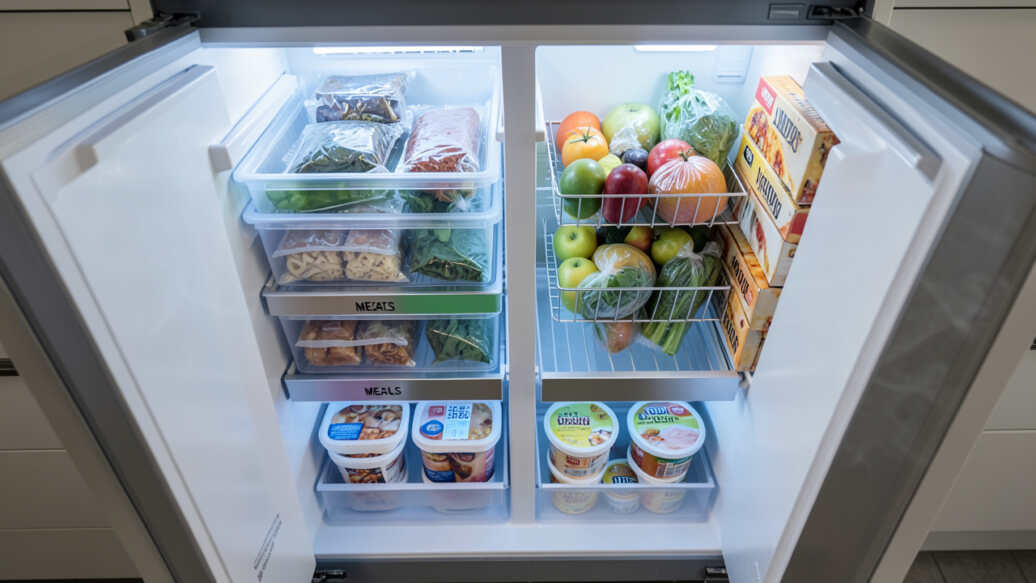
Grouping and Zoning Your Freezer
Think of your freezer like a pantry. You wouldn’t just shove everything in randomly. You group similar items together.
This makes finding what you need much faster. Creating zones helps you maintain order. It also makes it easier to see what you have at a glance.
Common Freezer Zones
You can create zones based on food type. Here are some ideas:
- Meats: Keep all your raw meats together. This helps with cross-contamination prevention.
- Vegetables and Fruits: Store your frozen produce in one area.
- Prepared Meals: This is for casseroles, soups, and other ready-to-heat dishes.
- Baked Goods: Keep breads, muffins, and cookies separate.
- Ice Cream and Desserts: A dedicated spot for treats.
- Broths and Stocks: Keep these together for easy access when cooking.
Using Bins and Dividers for Zoning
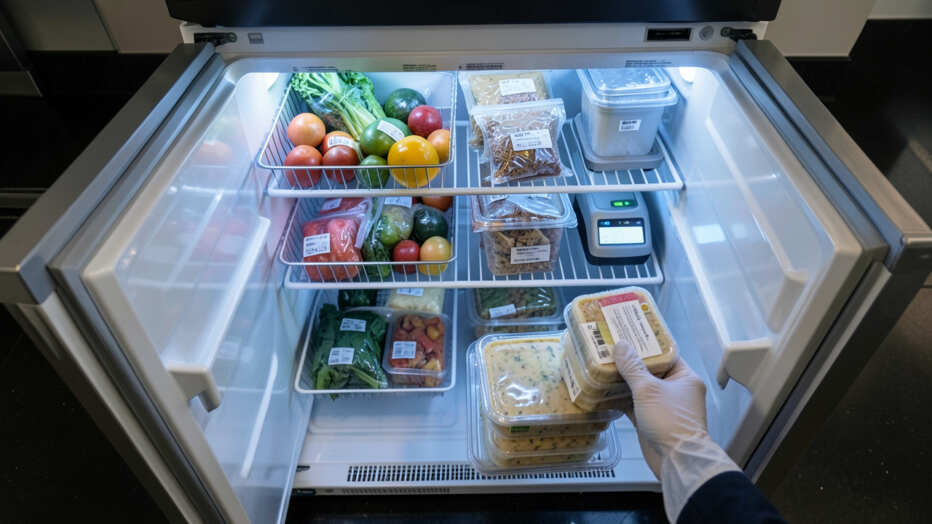
Bins are your best friend for zoning. Clear bins allow you to see contents easily. You can label each bin with its zone.
For example, a bin labeled “Meats” should only contain frozen meats. This prevents items from getting lost.
Shelf dividers are also very useful. They create clear boundaries on shelves. This stops items from sliding around.
It’s a practical application of Smart Freezer Organization Tricks.
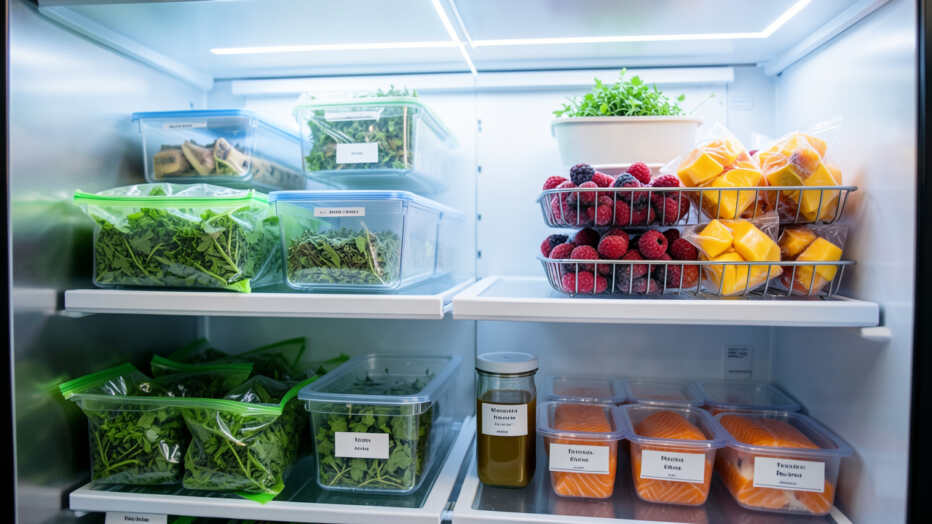
Smart Freezer Organization Tricks for Specific Foods
Some foods require a little extra thought. How you freeze them can impact their quality. Applying specific tricks can make a big difference.
This is where the real magic of Smart Freezer Organization Tricks happens.
Freezing Meats
When freezing raw meat, wrap it well. Use freezer paper or heavy-duty plastic wrap. Then, place it in a freezer bag.
Remove as much air as possible. This prevents freezer burn. For ground meat, divide it into portion sizes before freezing.
This way, you only thaw what you need.
Freezing Leftovers
Cool leftovers completely before freezing. Use airtight containers. Leave a little headspace if the food has a high liquid content.
Liquids expand when frozen. This prevents containers from cracking. Portion leftovers into single or double servings.
This makes reheating much easier.
Freezing Produce
Most fruits and vegetables benefit from blanching before freezing. Blanching means briefly boiling them, then plunging them into ice water. This stops enzyme action that can degrade quality.
After blanching, drain them well and pat them dry. Then, freeze them in a single layer on a baking sheet. Once frozen, transfer them to freezer bags or containers.
This “flash freezing” method prevents produce from clumping together. It’s a key step for maintaining texture and flavor. It’s a simple yet effective part of Smart Freezer Organization Tricks.
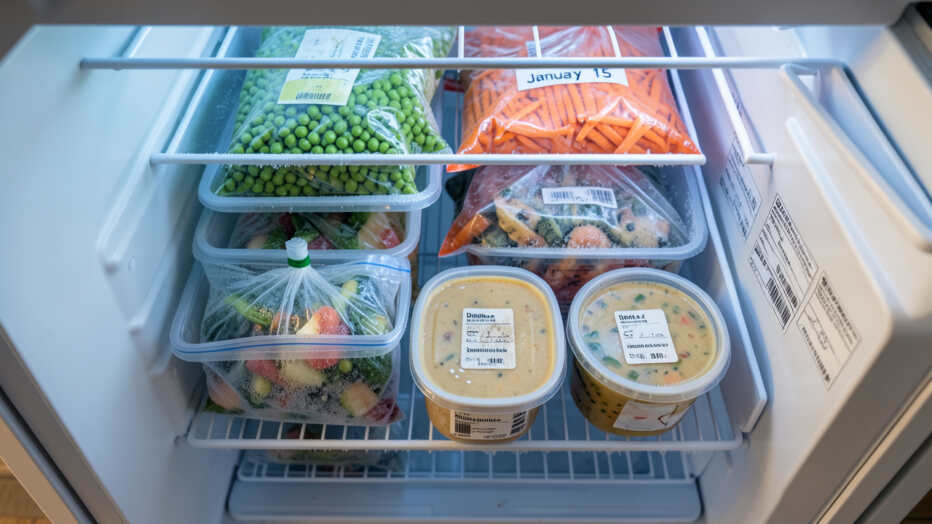
The FIFO Method: First-In, First-Out
This is a fundamental principle for managing any inventory, including your freezer. FIFO means you use the oldest items first. This is crucial for preventing food waste.
It ensures you eat food before it expires.
How to Implement FIFO
When you buy new groceries, place them at the back of the freezer. Move older items to the front. This way, you’ll naturally reach for the older items first.
This is especially important for items with shorter shelf lives.
Next, when you add new items, always put them behind the existing ones. Then, when you take something out, try to
Decluttering and Maintenance
A well-organized freezer doesn’t stay that way on its own. Regular maintenance is essential. Schedule a freezer clean-out every few months.
This will keep things in order. It also helps you identify items you haven’t used in a long time.
Conducting a Freezer Audit
Empty your freezer completely. Check the expiration dates on everything. Discard anything that is freezer-burned or looks questionable.
This is a good time to consolidate items. For example, if you have two half-empty bags of frozen peas, combine them into one.
While everything is out, wipe down the shelves and walls. This removes any spills or ice buildup. A clean freezer is more pleasant to use.
It also prevents odors from developing.
Tips for Ongoing Organization
Make it a habit to put things away properly. When you remove something from the freezer, put it back in its designated zone. Don’t just leave it on the counter.
If you buy new frozen items, integrate them into your existing system using the FIFO method.
Consider keeping a small inventory list. You can tape a notepad to the freezer door. Jot down what you put in and take out.
This helps you track what you have. It’s a simple way to manage your frozen goods effectively. These ongoing efforts are part of mastering Smart Freezer Organization Tricks.
Frequently Asked Questions
What is the best way to organize a small freezer?
For small freezers, focus on vertical storage and using bins. Stackable containers and shelf dividers are very helpful. Labeling everything clearly is also crucial to avoid wasted space and forgotten items.
How can I prevent freezer burn with my Smart Freezer Organization Tricks?
Freezer burn happens when food is exposed to air. Always wrap food tightly in freezer-safe materials like plastic wrap, foil, or freezer bags. Remove as much air as possible before sealing.
Using airtight containers is also highly effective.
Should I group raw meats separately from cooked foods?
Yes, absolutely. Separating raw meats from cooked foods is a critical food safety practice. This prevents cross-contamination.
Use designated bins or shelves for raw meats and another for cooked items or leftovers.
How often should I declutter my freezer?
It’s a good idea to declutter your freezer at least twice a year. Many people find it helpful to do this seasonally, perhaps in the spring and fall. This ensures your freezer stays organized and you use your food efficiently.
What are some inexpensive Smart Freezer Organization Tricks?
Inexpensive tricks include using repurposed containers like yogurt tubs or egg cartons for small items, making your own labels with paper and tape, and utilizing vertical space with simple shelf risers. Even repurposing old cardboard boxes as dividers can work.
How do I store fresh herbs in the freezer?
Wash and dry fresh herbs thoroughly. Then, chop them and place them into ice cube trays. Fill the rest of the tray with water or olive oil.
Once frozen, pop the herb cubes out and store them in a labeled freezer bag for easy use in cooking.
Final Thoughts
Implementing these Smart Freezer Organization Tricks will transform how you use your freezer. You’ll find food faster, waste less, and save money. Start with a few simple changes.
You’ll soon enjoy a more efficient and stress-free kitchen. Your organized freezer will be ready for any meal.