Pantry Organization Ideas For Small Kitchens
At a Glance For small kitchens, effective pantry organization relies on maximizing vertical storage space by adding extra shelves or using shelf risers and stackable bins. Clear containers keep food v…
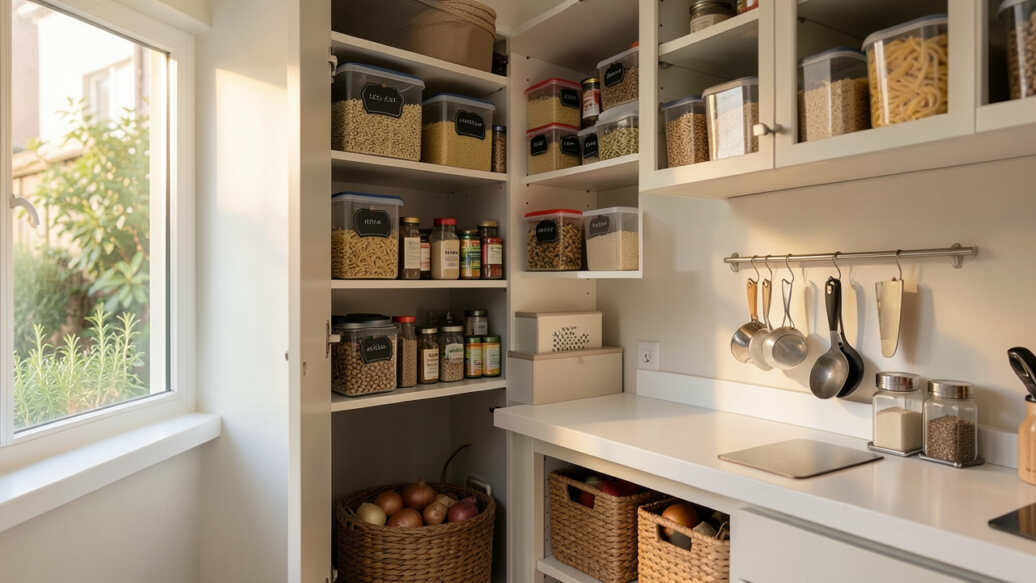
For small kitchens, effective pantry organization relies on maximizing vertical storage space by adding extra shelves or using shelf risers and stackable bins. Clear containers keep food visible and fresh while enabling quick inventory checks, and grouping similar items into labeled bins or baskets simplifies retrieval. A simple, consistent labeling system for categories and contents ensures everything has a place, reducing food waste and streamlining daily cooking.
Having a tiny kitchen doesn’t mean you have to live with cluttered cabinets and hard-to-find ingredients. Making the most of your limited space can make cooking so much easier and more enjoyable. You’ll be able to see everything you have at a glance, saving you time and money by reducing food waste.
We’ll share some simple and effective Pantry Organization Ideas for Small Kitchens that will help you transform your space into a functional and tidy area.
Key Takeaways
- Maximize vertical space with shelves and risers.
- Use clear containers to keep food fresh and visible.
- Implement a labeling system for easy identification.
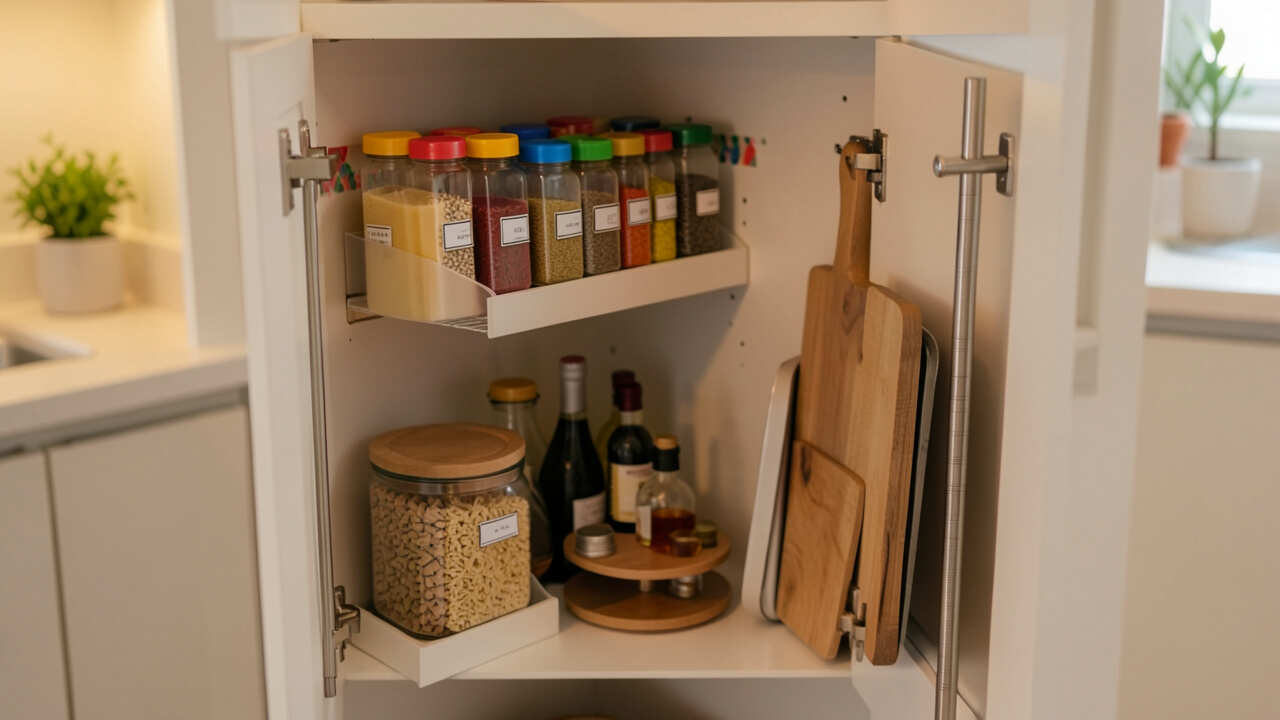
- Utilize door space with organizers and hooks.
- Group similar items together for efficient access.
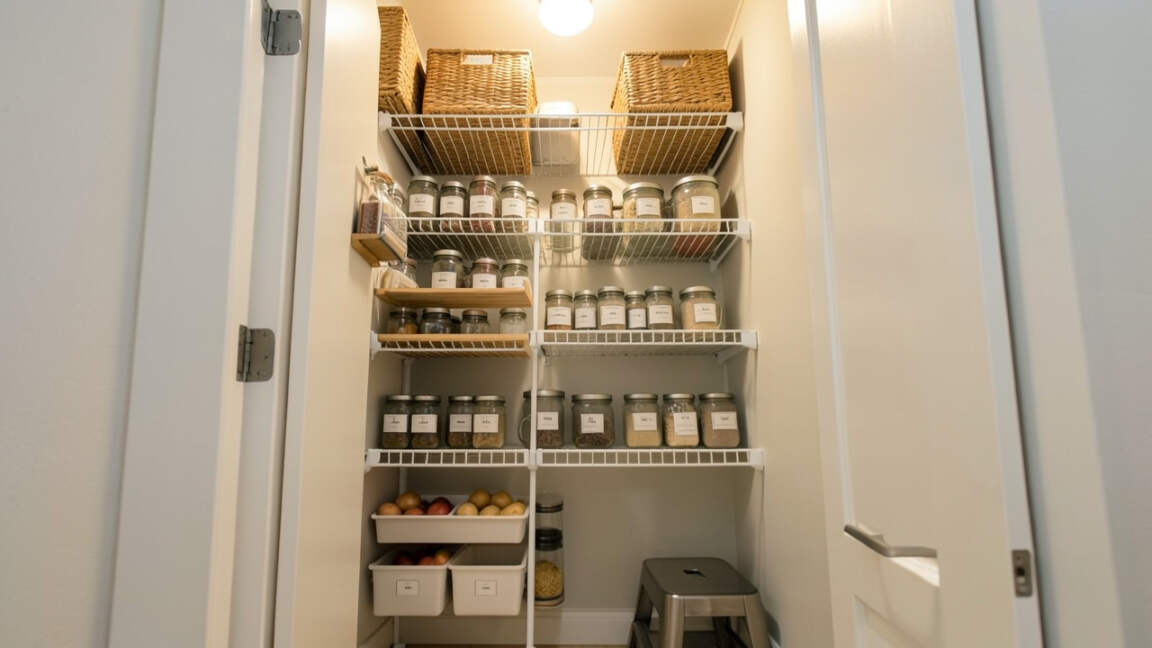
Maximizing Vertical Space in Your Small Pantry
When you have a small kitchen, every inch counts. This means looking up! Your pantry walls are prime real estate.
Think about adding extra shelves or adjustable shelf dividers. This lets you stack items higher, creating more room. It’s a simple way to double your storage capacity without taking up more floor space.
Adding Extra Shelving
If your pantry has tall, empty spaces, you can easily add more shelves. You can buy pre-made shelf units or even build your own simple shelves. Measure the height between your existing shelves.
Then, find or create shelves that fit snugly. This allows you to store more cans, jars, and boxes without them toppling over.
Using Shelf Risers and Stackable Bins
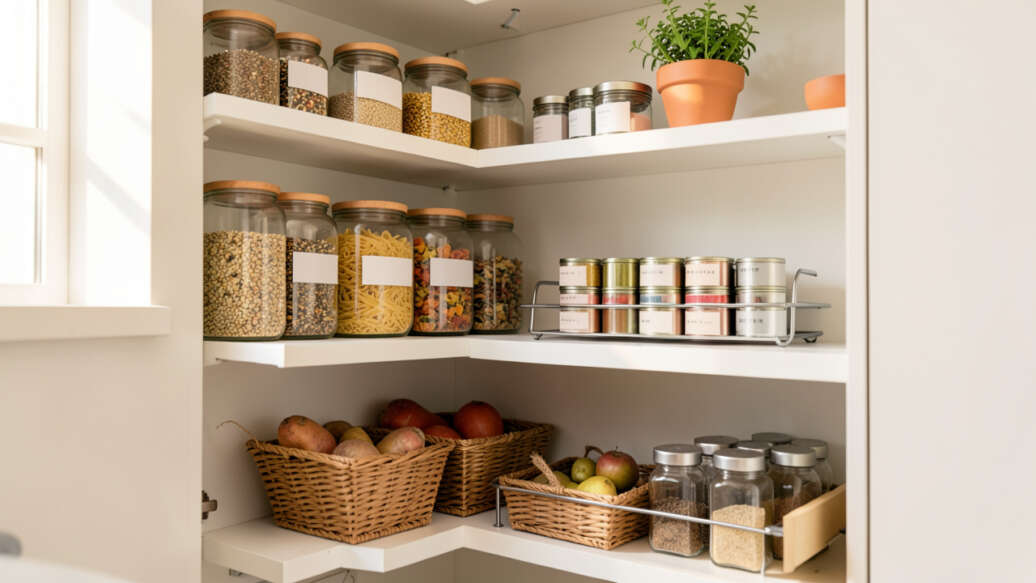
Shelf risers are like mini shelves that sit on top of your existing ones. They are perfect for things like cans or spices. You can stack more items in the same amount of vertical space.
Stackable bins are also great. They can hold smaller items like snack bags or spice packets. You can then stack these bins neatly.
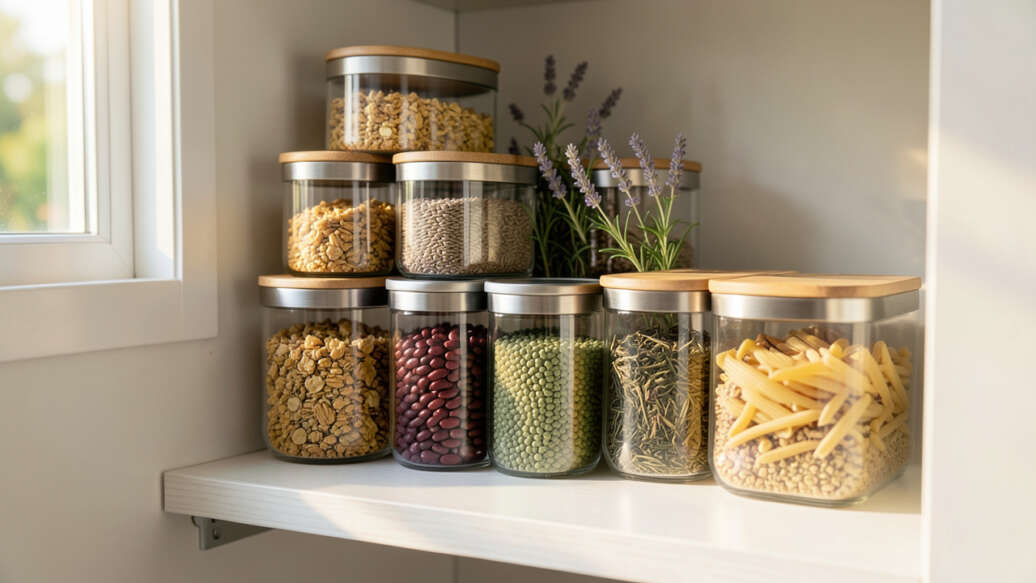
Smart Container Solutions for Visibility and Freshness
Clutter often comes from having too many open bags and boxes. Using the right containers can solve this. Clear containers are especially useful in small pantries.
They let you see exactly what’s inside without having to open them. This helps you keep track of your food and use it before it expires.
Choosing the Right Clear Containers
Look for airtight, clear containers. These are ideal for dry goods like pasta, rice, flour, and cereal. They keep food fresh longer and prevent spills.
Because they are clear, you can quickly see how much you have left. This helps with meal planning and grocery shopping.
Grouping Items in Bins and Baskets
Even with clear containers, grouping similar items is smart. Use bins or baskets to hold categories of food. For example, a bin for baking supplies, another for breakfast items, and one for snacks.
This makes it easy to pull out a whole category of items at once. It keeps your pantry tidy and organized.
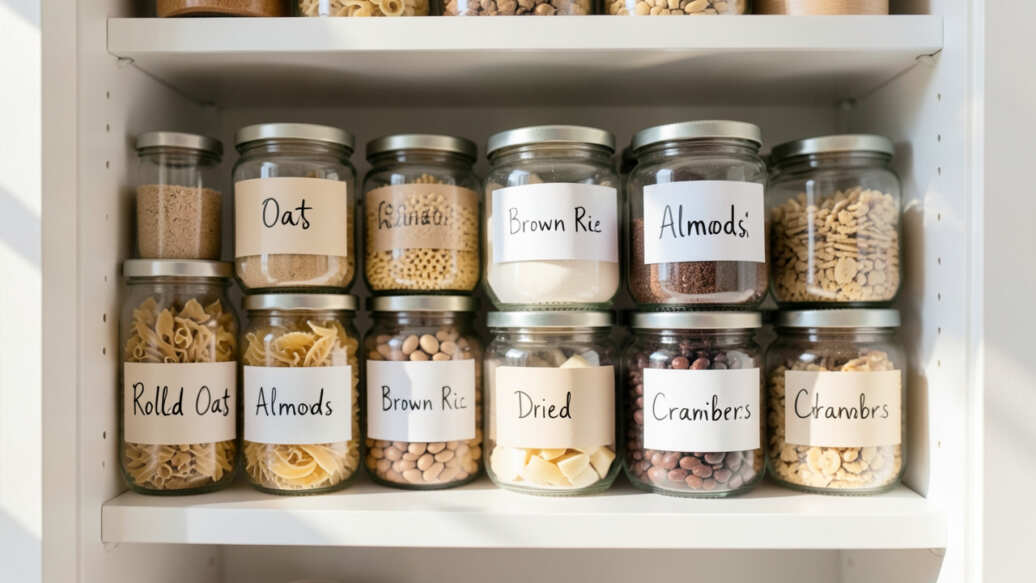
Labeling: The Key to Knowing What You Have
A good labeling system is a lifesaver in any pantry, but it’s crucial for small kitchens. It helps you find things quickly. It also reminds you what you have so you don’t buy duplicates.
A well-labeled pantry is a happy pantry.
Simple Labeling Methods
You don’t need fancy equipment. You can use a marker and masking tape for a quick fix. For something more permanent, consider a label maker.
You can also buy pre-made labels. Stick them on the front of containers or bins. Label not just the item, but also the expiration date if needed.
Categorizing Labels
Think about how you use your pantry. Label bins with general categories like “Baking,” “Breakfast,” “Snacks,” or “Dinner Staples.” For individual containers, label the specific item, like “All-Purpose Flour” or “Spaghetti.” This system makes putting groceries away much faster too.
Utilizing Your Pantry Door Space
Don’t forget the back of your pantry door! This often-unused surface can hold a surprising amount of storage. Adding organizers here can free up shelf space for larger items.
It’s a clever way to add more storage without taking up room inside.
Door-Mounted Shelving and Racks
You can buy over-the-door racks specifically designed for pantries. These come in various sizes and configurations. Some have shelves for cans, others have hooks for bags or utensils.
They are easy to install and can hold a lot of items.
Hanging Organizers and Hooks
For lighter items, consider hanging organizers or individual hooks. These can hold spice jars, small bags, or even cleaning supplies if your pantry is near the kitchen sink. Make sure the organizers are secure and won’t damage your door.
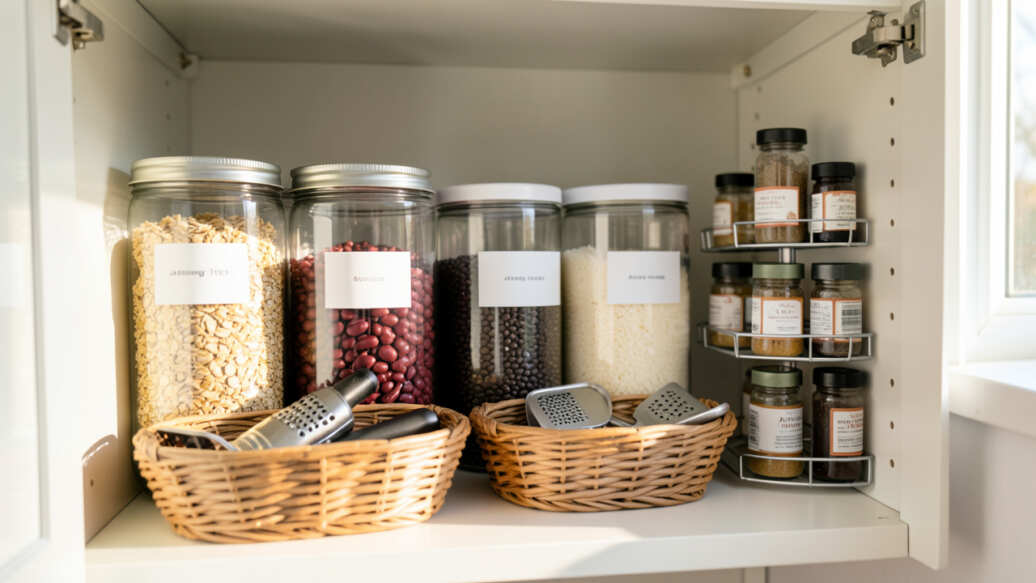
Arranging Items for Easy Access
How you arrange your food impacts how easy it is to use. Think about what you reach for most often. These items should be at eye level or within easy reach.
Less frequently used items can go on higher shelves or at the back.
The “First In, First Out” (FIFO) Method
This is a simple but effective way to reduce food waste. When you buy new items, place them behind the older ones. This ensures you use the older food first.
It’s especially important for items with shorter shelf lives.
Grouping by Meal or Use
Consider organizing your pantry by meal type or how you use ingredients. Put all your pasta, sauces, and pasta-cooking spices together. Keep your baking ingredients like flour, sugar, and baking soda in one area.
This makes it faster to grab everything you need for a specific meal.
Creative Solutions for Specific Small Kitchen Pantry Items
Small kitchens often require creative thinking for specific items. Things like spices, cans, and cleaning supplies can be tricky to store neatly. Here are some ideas to help.
Spice Organization
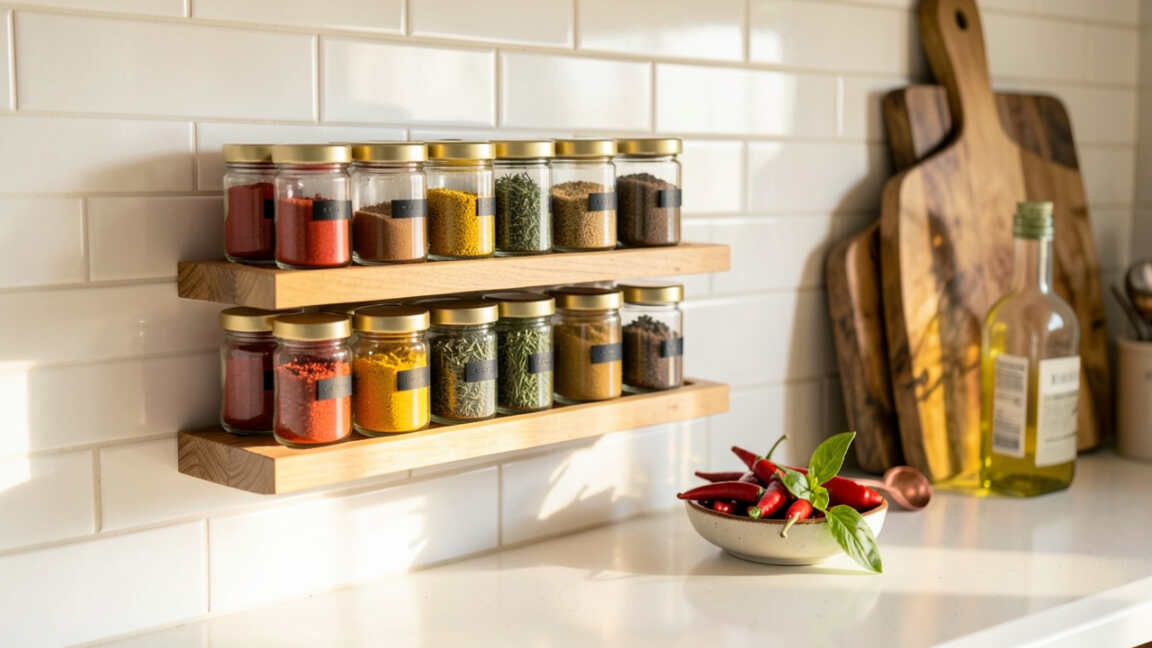
Spices can take up a lot of space. Consider a tiered spice rack that fits on a shelf. You can also use a small drawer organizer or a magnetic spice rack that attaches to the fridge or a metal surface.
Labeling is key here, as spice jars can look very similar.
Can and Jar Storage
Cans are heavy and can roll around. Can dispensers that hold multiple cans in a neat row are excellent. They often have a gravity feed, so the oldest cans roll to the front.
Tiered shelves also work well for jars, allowing you to see labels at a glance.
Cleaning Supplies
If you store cleaning supplies in your pantry, keep them separate from food. Use a dedicated bin or shelf. If they are in spray bottles, consider using hooks or a rack on the inside of the door to keep them organized and upright.
The Benefits of an Organized Small Kitchen Pantry
An organized pantry offers more than just a tidy space. It brings real benefits to your daily life. You’ll save time, reduce stress, and even save money.
This is why putting effort into Pantry Organization Ideas for Small Kitchens is so worthwhile.
Saving Time and Reducing Stress
When everything has a place, you can find what you need instantly. No more digging through piles of cans or boxes. This saves precious minutes during busy meal prep times.
It also reduces the frustration of not being able to find an ingredient. A calm pantry leads to a calmer cook.
Reducing Food Waste and Saving Money
A well-organized pantry makes it easy to see what you have. You’re less likely to buy something you already own. You’re also more likely to use ingredients before they expire.
This directly translates to less food waste and more money in your pocket. It’s a win-win for your budget and the environment.
Frequently Asked Questions
Question: What is the best way to store spices in a small pantry?
Answer: For small pantries, consider tiered spice racks, drawer organizers, or wall-mounted racks to keep spices visible and accessible. Always label them clearly.
Question: Should I use clear containers or opaque bins for my pantry?
Answer: Clear containers are best for dry goods like flour or pasta so you can see what’s inside and how much is left. Opaque bins or baskets are great for grouping items like snacks or baking supplies.
Question: How can I make my small pantry look bigger?
Answer: Use light colors for shelves and containers. Keep the pantry tidy and well-lit. Clear containers help create a sense of spaciousness because you can see through them.
Question: What are some easy DIY pantry organization ideas for small kitchens?
Answer: You can add extra shelves, use old shoeboxes as dividers, or repurpose jars for smaller items. Attaching hooks to the inside of the door for utensils or bags is also a simple DIY solution.
Question: How often should I reorganize my pantry?
Answer: It’s a good idea to do a quick tidy-up every month or two. A more thorough reorganization, checking expiration dates and wiping down shelves, can be done every 6 months to a year.
Question: Can I use the inside of my pantry door for storage even if it’s small?
Answer: Absolutely! Over-the-door organizers, racks, and hooks are excellent for maximizing the often-forgotten space on the back of your pantry door. These are great Pantry Organization Ideas for Small Kitchens.
Final Thoughts
Transforming a small kitchen pantry from cluttered to organized is achievable with simple strategies. By maximizing vertical space, using smart containers, and labeling effectively, you create a more functional and stress-free cooking environment. Enjoy the benefits of an tidy pantry that saves you time and money.