Microwave Hacks Beyond Reheating
At a Glance Microwave hacks extend far beyond reheating leftovers, enabling quick steaming of fresh vegetables, effortless snacks and desserts, and custom spice infusions. Using correctly chosen micro…
Microwave hacks extend far beyond reheating leftovers, enabling quick steaming of fresh vegetables, effortless snacks and desserts, and custom spice infusions. Using correctly chosen microwave-safe containers, these methods speed up common cooking tasks while preserving nutrients and reducing preparation time. This approach also simplifies single-serve meals and offers a reliable way to reheat leftovers effectively without drying out food or creating cold spots.
Your microwave is more than just a box for warming up leftovers. Many people think of it only for quickly heating meals, but it can do so much more. Learning about Microwave Hacks Beyond Reheating can save you time and open up new ways to cook simple dishes.
You’ll gain the ability to prepare snacks, sides, and even small meals with surprising ease. Get ready to discover how your microwave can become a versatile kitchen tool.
Key Takeaways
- Discover how to cook vegetables quickly and healthily in the microwave.
- Learn to make simple desserts and snacks using microwave-friendly recipes.
- Understand how to properly use microwave-safe containers for best results.
- Find out how to create customized spice blends and flavor infusions.
- Explore ways to speed up common cooking tasks beyond just reheating.
- Gain confidence in using your microwave for more than just warming up food.
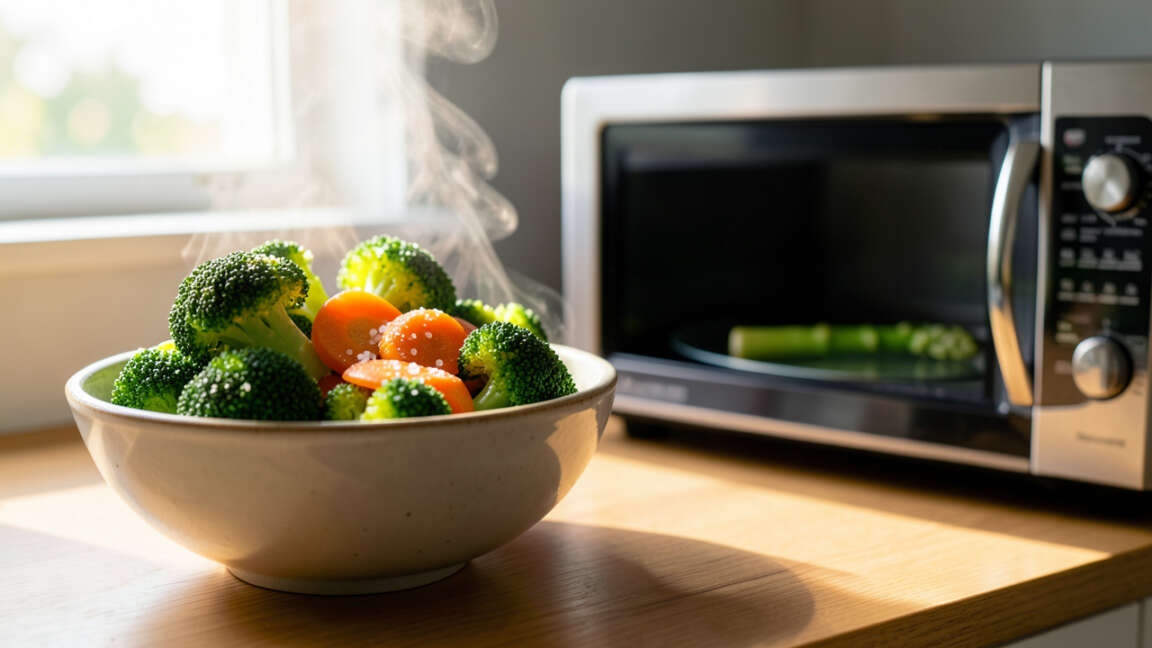
Quickly Cook Fresh Vegetables
Microwaves are fantastic for steaming vegetables. This method keeps more vitamins and nutrients compared to boiling. It also cooks them much faster.
You can enjoy fresh, crisp vegetables in just a few minutes. This is a great way to add healthy sides to any meal without much effort.
First, choose your favorite vegetables. Good options include broccoli, carrots, green beans, and spinach. Wash them well.
Place them in a microwave-safe bowl. Add just a tablespoon or two of water. Cover the bowl tightly with a microwave-safe lid or plastic wrap, leaving a small vent for steam to escape.
Microwave on high power for 2-4 minutes. Cooking time depends on the vegetable and how much you are cooking. For example, spinach cooks in about 1 minute, while carrots might take 3-4 minutes.
You can check for doneness by piercing a piece with a fork. If it’s not tender enough, microwave for another 30 seconds.
Season your steamed vegetables with a pinch of salt, pepper, or a squeeze of lemon. You can also add a little butter or olive oil. These simple Microwave Hacks Beyond Reheating make healthy eating much easier.
You’ll find yourself reaching for fresh veggies more often.
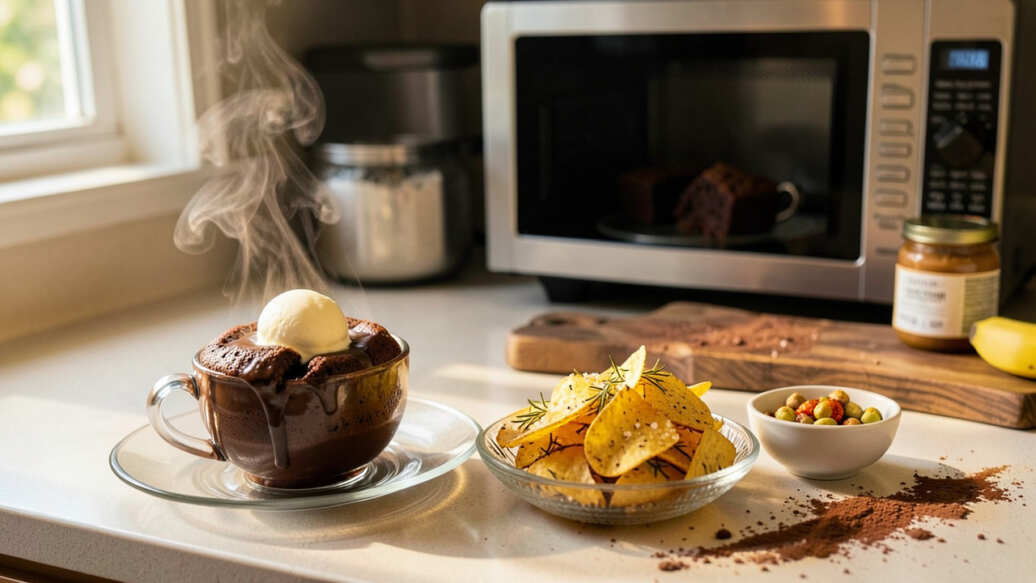
Effortless Snacks and Desserts
Who knew you could make tasty snacks and desserts in your microwave? It’s true. From mug cakes to baked apples, the microwave can whip up sweet treats quickly.
These are perfect for when a craving hits and you don’t want to turn on the oven.
One popular option is the mug cake. Mix flour, sugar, cocoa powder, baking powder, and a pinch of salt in a microwave-safe mug. Add milk, oil, and vanilla extract.
Stir until smooth. Microwave on high for 60-90 seconds, until puffed and cooked through. Let it cool slightly before enjoying.
Another simple dessert is baked apples. Core an apple and place it in a microwave-safe dish. Fill the core with a mix of cinnamon, brown sugar, and a small piece of butter.
Add a tablespoon of water to the dish. Cover and microwave on high for 4-6 minutes, or until tender. These are warm, comforting, and very easy to make.
You can also make quick “chips” from fruits like bananas or apples. Slice them very thinly. Arrange them in a single layer on a microwave-safe plate lined with parchment paper.
Microwave on medium power for several minutes, flipping them halfway through, until they are dry and crispy. Watch them closely to prevent burning. These Microwave Hacks Beyond Reheating turn simple ingredients into fun snacks.
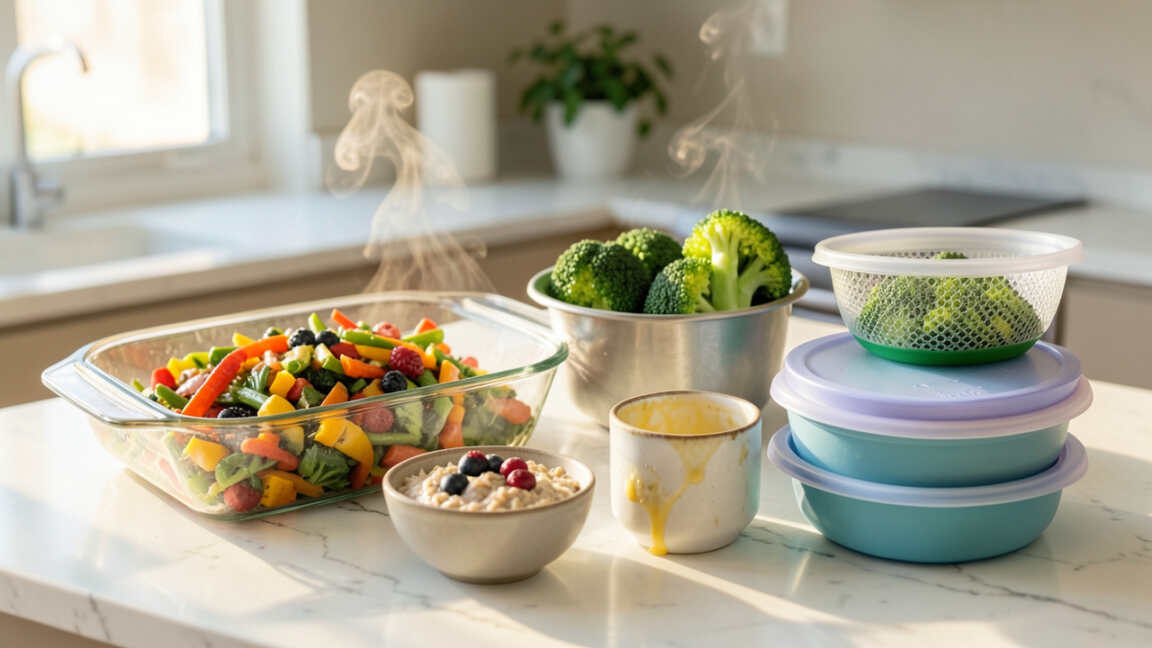
Mastering Microwave-Safe Containers
Using the right containers is crucial for safe and effective microwave cooking. Not all materials are suitable for microwaving. Using the wrong kind can melt, warp, or even release harmful chemicals into your food.
Sticking to the right materials ensures your Microwave Hacks Beyond Reheating are safe and successful.
Generally, glass and ceramic dishes are excellent choices. Look for items specifically labeled as microwave-safe. These materials heat evenly and do not react with food.
They are also easy to clean and durable.
Some plastics are also microwave-safe, but you must check the label. Look for the recycling symbol with a microwave icon or the words “microwave safe.” Avoid plastics that are thin, scratched, or old, as they are more likely to degrade. Never microwave plastic wrap directly touching food, as it can melt.
Metal should never go into the microwave. This includes aluminum foil, metal utensils, and dishes with metallic trim. Metal reflects microwaves, which can cause sparks and damage your appliance.
Paper plates and towels are usually fine for short heating times, but avoid those with wax coatings or colored inks.
Understanding your containers is a key part of any Microwave Hacks Beyond Reheating. It ensures your food cooks properly and safely every time.
Infusing Flavors and Spices
Your microwave can help you create infused oils, vinegars, and even quickly toast spices. This adds depth and unique flavors to your cooking that you might not expect from a microwave.
To infuse oil, gently warm olive oil or another cooking oil in a microwave-safe bowl. Add herbs like rosemary, thyme, or garlic cloves. Microwave on low power for short intervals, about 30 seconds at a time, until the herbs are fragrant.
Let it steep for a while. Strain the herbs out before use. This creates a flavored oil for dressings or cooking.
Similarly, you can quickly infuse vinegar. Heat white or apple cider vinegar on low power for about 1 minute. Add herbs or spices like peppercorns or dried chilies.
Let it sit for 15-30 minutes, then strain. This is great for making quick salad dressings or marinades.
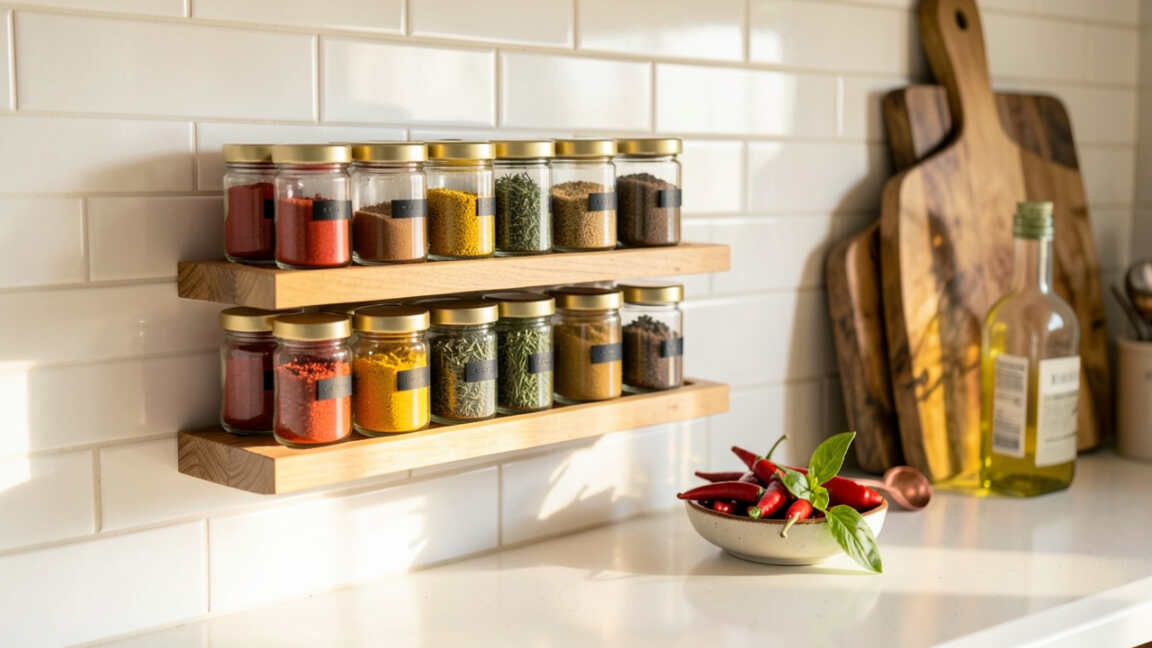
To toast spices, spread them in a single layer on a microwave-safe plate lined with parchment paper. Microwave on medium power for 1-2 minutes, stirring halfway through. This releases their aromatic oils and intensifies their flavor.
These Microwave Hacks Beyond Reheating allow for creative flavor building.
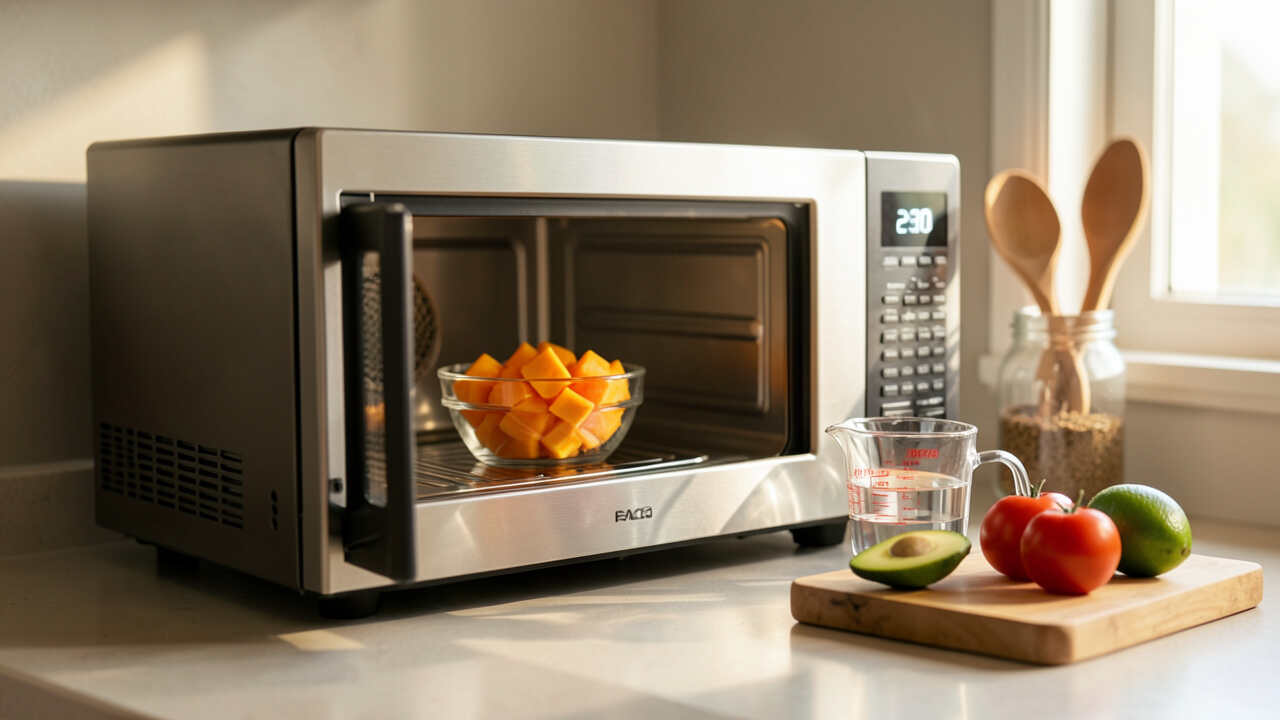
Speeding Up Common Cooking Tasks
Beyond full meals, your microwave can simplify many everyday cooking steps. It can help you soften butter quickly, proof yeast dough, or even peel garlic cloves with ease. These small tricks add up to significant time savings.
First, if you need softened butter for baking but forgot to take it out of the fridge, don’t despair. Place the butter on a microwave-safe plate. Microwave on low power (20-30%) for 10-second intervals until just softened, not melted.
It’s a quick fix for baking emergencies.
Second, proofing yeast for bread can be sped up. Place your yeast and warm water (around 105-115°F) in a microwave-safe bowl. Microwave on the lowest power setting for 15-20 seconds, or just until lukewarm.
This gentle warmth helps the yeast activate faster.
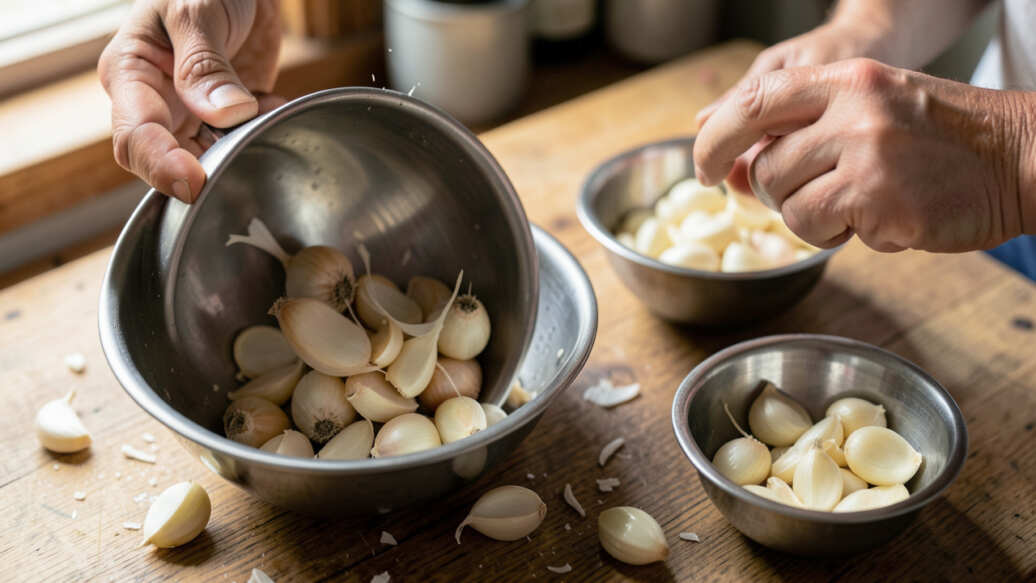
Next, peeling garlic is much easier after microwaving. Place the garlic cloves in a microwave-safe bowl. Microwave on high power for about 15-20 seconds.
The heat loosens the skins, making them easy to slip off.
Then, you can even cook bacon in the microwave. Place several strips of bacon on a plate lined with paper towels. Cover with more paper towels.
Microwave on high for about 1 minute per slice, depending on thickness. This method cooks bacon evenly and makes cleanup a breeze. These practical Microwave Hacks Beyond Reheating streamline your kitchen routine.
Making Single Servings and Small Batches
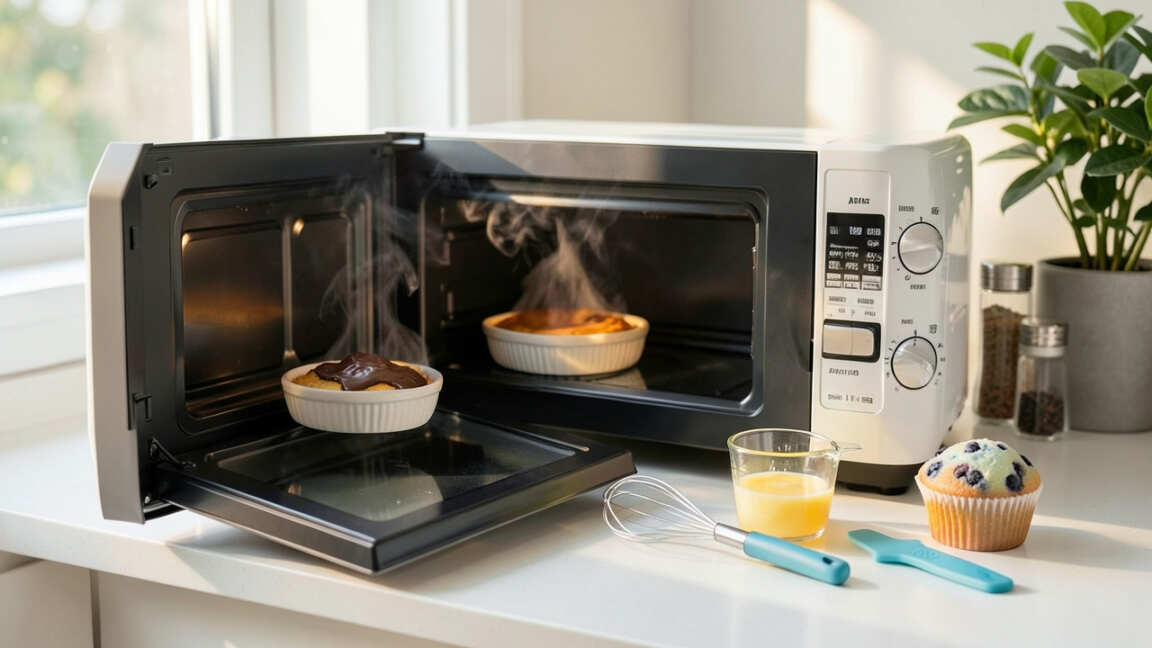
Microwaves are perfect for cooking for one or making small portions. This is ideal for busy individuals or when you only need a small amount of something. It reduces food waste and saves energy compared to using a large oven or stove.
Many recipes are specifically designed for single servings in the microwave. Think about oatmeal, scrambled eggs, or small portions of rice. You can cook a single serving of rice in about 10-15 minutes.
Just combine the rice, water, and a pinch of salt in a microwave-safe bowl, cover, and cook.
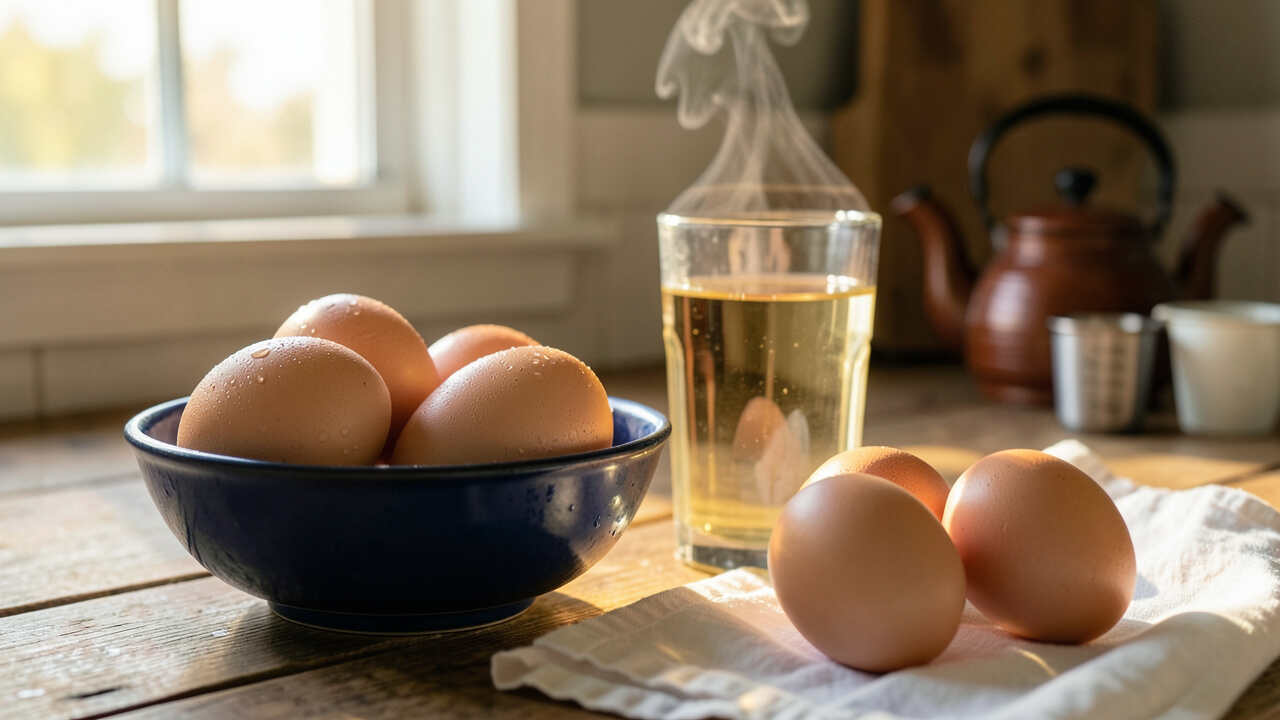
Scrambled eggs are another great option. Whisk one or two eggs with a tablespoon of milk or water, salt, and pepper in a microwave-safe mug or bowl. Microwave on high for 30 seconds, stir, then microwave in 15-second intervals until cooked.
Stirring between intervals ensures even cooking.
Even small amounts of pasta can be cooked. Use about half a cup of pasta and enough water to cover it by an inch. Microwave on high for 5-minute intervals, stirring each time, until the pasta is tender.
Be sure to use a large enough bowl to prevent boil-overs. These Microwave Hacks Beyond Reheating are wonderful for minimalist cooking.
Reheating Leftovers Effectively
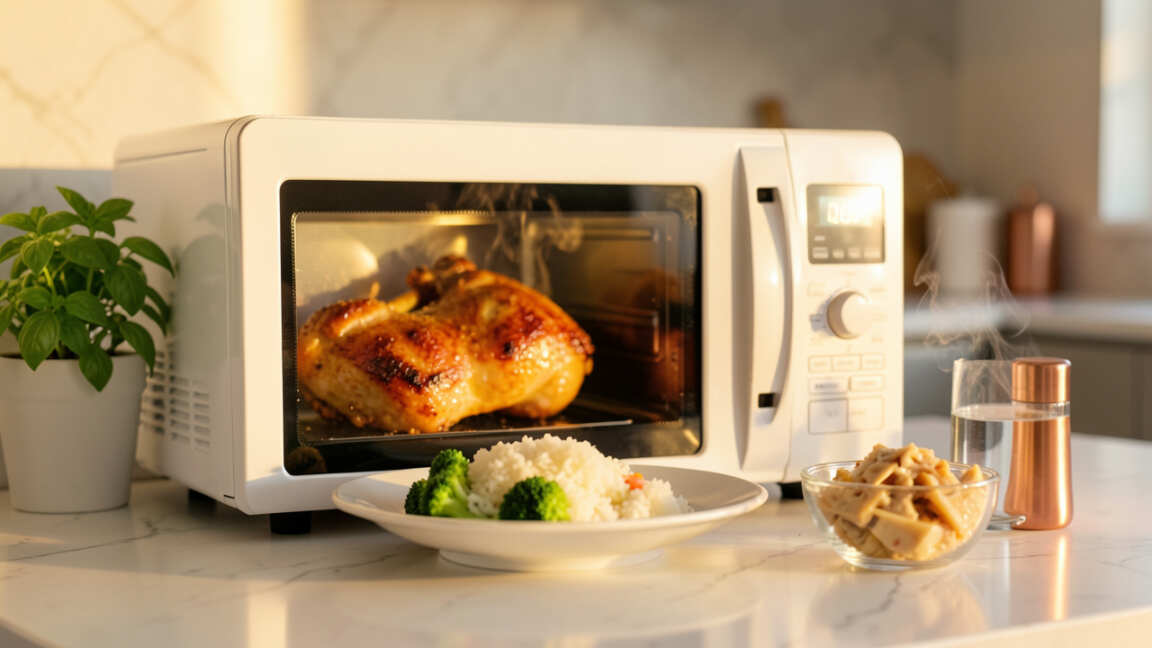
While this post focuses on Microwave Hacks Beyond Reheating, mastering reheating is still important. Proper reheating ensures your food is safe and tastes as good as possible.
First, arrange food in a single layer on a microwave-safe plate. This allows heat to reach all parts evenly. Avoid piling food in the center, as it will heat slower.
Second, cover food loosely. This traps steam and helps food heat more evenly without drying out. Use a microwave-safe lid, plastic wrap with a vent, or a damp paper towel.
Next, stir or rotate food halfway through the cooking time. This is crucial for ensuring uniform heating, especially for dense foods or dishes with multiple components.
Then, let food stand for a minute or two after microwaving. The food continues to cook for a short time, and the heat distributes more evenly.
Finally, ensure food is heated thoroughly. Leftovers should reach an internal temperature of 165°F (74°C) to kill any bacteria. If you’re unsure, use a food thermometer.
Effective reheating is a foundational skill, but these Microwave Hacks Beyond Reheating show you how much more your microwave can do.
Frequently Asked Questions
Can I cook raw meat in the microwave?
While you can technically cook some raw meats in the microwave, it’s generally not recommended. Microwaves can cook unevenly, leaving cold spots where bacteria can survive. For safety and best results, use your oven or stovetop for raw meat.
How do I prevent food from splattering in the microwave?
Use a microwave-safe cover or lid, or cover your food loosely with microwave-safe plastic wrap, leaving a small vent. A damp paper towel placed over the food also helps contain splatters. These simple steps are part of effective Microwave Hacks Beyond Reheating.
What is the best way to reheat rice in the microwave?
To reheat rice, place it in a microwave-safe bowl with a tablespoon of water. Cover loosely and microwave on high for 1-2 minutes, stirring halfway through. This prevents it from drying out.
Are paper bowls safe to use in the microwave?
Most plain white paper bowls are safe for short heating times. However, avoid bowls with plastic or wax coatings, or those with colored inks, as these can melt or leach chemicals. Always check for a “microwave safe” label.
Can I melt chocolate in the microwave?
Yes, you can melt chocolate in the microwave. Break it into small pieces and place in a microwave-safe bowl. Heat on 50% power for 30-second intervals, stirring each time, until smooth.
Watch it closely to prevent burning.
What is the difference between microwave power levels?
Microwave power levels control how often the magnetron (the part that generates microwaves) turns on. 100% power means it’s always on. Lower settings cycle it on and off, providing gentler heat, which is useful for delicate tasks like melting chocolate or steaming vegetables.
Final Thoughts
Your microwave is a powerful kitchen ally, capable of much more than just reheating. By exploring these simple Microwave Hacks Beyond Reheating, you can quickly cook vegetables, prepare tasty snacks and desserts, and speed up common kitchen tasks. Embrace these tips to make your cooking easier and more versatile.