Lunchbox Hacks That Keep Food From Getting Soggy
At a Glance Preventing soggy lunches requires controlling moisture with barrier spreads like cream cheese or hummus, choosing sturdy breads, and packing wet ingredients separately. Drying fruits and v…
Preventing soggy lunches requires controlling moisture with barrier spreads like cream cheese or hummus, choosing sturdy breads, and packing wet ingredients separately. Drying fruits and vegetables thoroughly and using ventilated containers or absorbent materials like paper towels further reduce moisture buildup. Cooling food before packing and strategic ingredient order ensure sandwiches and produce stay fresh and appealing all day.
Packing a lunch should be a simple way to save money and eat healthier, but nobody likes opening their lunchbox to find soggy sandwiches or mushy fruit. It’s a common problem that can make mealtime less enjoyable. Learning simple Lunchbox Hacks That Keep Food From Getting Soggy can make a big difference.
You’ll be able to pack meals that stay fresh and appealing, making lunchtime something to look forward to, not dread. We’ll cover easy tips and tricks to keep your food tasting great all day long.
Key Takeaways
- Using smart containers and separators is key to preventing moisture transfer.
- Properly cooling food before packing stops condensation from forming.
- The right packing order ensures delicate items stay intact and dry.
- Simple ingredients like rice or crackers can absorb extra moisture.
- Choosing the right lunchbox material can also help manage temperature and moisture.
Stop Soggy Sandwiches: The Secrets Revealed
Sandwiches are a lunchbox staple, but they can quickly turn into a soggy mess. The bread acts like a sponge for any moisture from the fillings. This is where smart packing comes in.
Keeping the wet ingredients separate from the bread is the most effective way to avoid this. Think of it like building a barrier.
Separate Wet Fillings
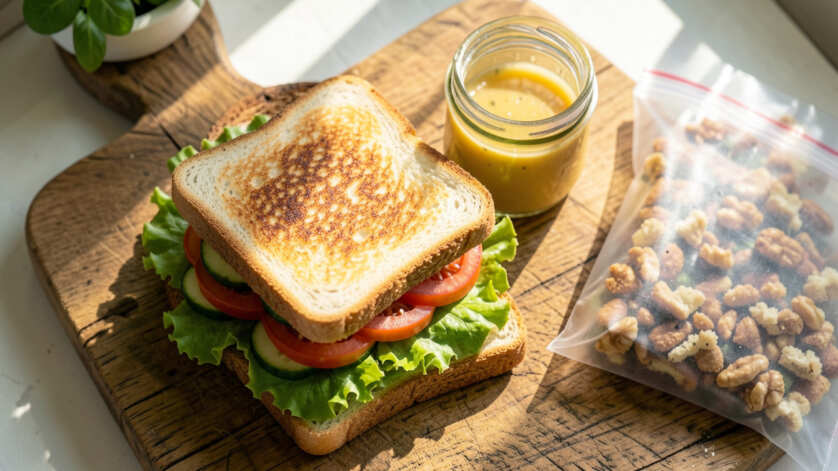
The easiest method is to pack your fillings in a separate small container. This keeps them contained and prevents their juices from soaking into the bread. You can then assemble the sandwich right before eating.
This is a game-changer for keeping bread fresh.
Use Barrier Spreads
If you must pack a pre-made sandwich, use a barrier spread. A thin layer of butter, mayonnaise, or even cream cheese on the bread can help block moisture. Make sure to spread it evenly from edge to edge.
This creates a protective layer.
Choose Sturdier Breads
Some breads hold up better than others. Whole grain breads, sourdough, or ciabatta tend to be more resilient than soft white bread. They have a firmer texture that resists sogginess longer.
Consider toasting your bread lightly before packing for an extra defense.
Pack Ingredients Separately
For sandwiches with tomatoes or other juicy vegetables, pack them on the side. A small container for lettuce, tomato slices, and pickles allows the eater to add them just before enjoying their sandwich. This is one of the most effective Lunchbox Hacks That Keep Food From Getting Soggy.
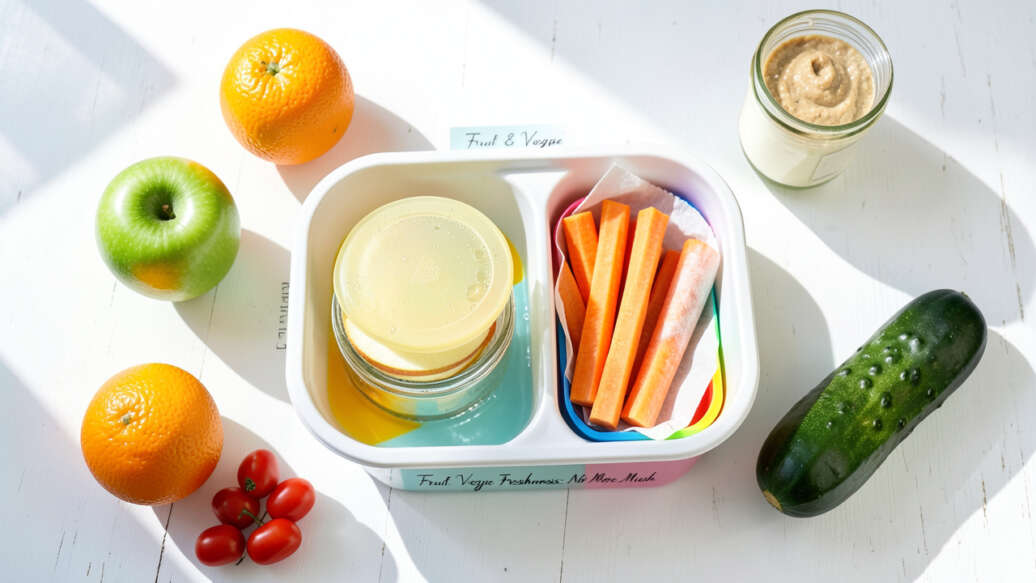
Fruit and Veggie Freshness: No More Mush
Fruits and vegetables are healthy additions to any lunch, but they can also contribute to sogginess. Chopped fruits can release juices, and cut vegetables can become limp and unappetizing. Keeping them crisp and dry requires a few simple steps.
Dry Everything Thoroughly
After washing fruits and vegetables, dry them completely. Use a clean kitchen towel or paper towels. Even a little residual water can make a difference over several hours.
This is a crucial step for preventing moisture buildup.
Pack in Ventilated Containers
Some fruits and vegetables benefit from a little air circulation. Use containers with small vents or slightly loosen the lid. This helps prevent moisture from getting trapped.
For berries, a breathable container is especially helpful.
Add Absorbent Materials
For items like sliced apples or cucumbers, you can place a small piece of paper towel at the bottom of the container. This will absorb any excess moisture. It’s a simple trick that makes a big impact on texture.
Consider Whole Fruits
When possible, pack whole fruits like apples, bananas, or oranges. They naturally stay fresh and don’t release moisture. If you pack cut fruit, consider adding a tiny bit of lemon juice to prevent browning and keep it fresh.
Pasta, Rice, and Grains: Avoiding Clumps and Stickiness
Leftover pasta, rice dishes, or grain salads can be great lunch options. However, they can become a sticky, unappetizing clump if not packed correctly. The key here is managing moisture and preventing ingredients from sticking together.
Cool Food Completely
First, always ensure your cooked grains and pasta dishes are completely cooled before packing them. Hot food creates steam as it cools, and this steam condenses into water. This moisture is what causes stickiness and sogginess.
Letting food reach room temperature is essential.
Add a Little Oil or Sauce
For pasta or rice dishes, a small amount of olive oil or a light sauce can prevent sticking. Toss the cooled pasta or rice with a tablespoon of oil before packing. This creates a barrier between the grains.
If it’s a saucy dish, ensure the sauce is well-distributed.
Use Salad Dressing Separately
If you’re packing a grain salad with dressing, keep the dressing separate. Pouring dressing directly onto grains can make them mushy. Pack the dressing in a small, leak-proof container and add it just before eating.
Layer Ingredients Wisely
If your dish has multiple components, layer them thoughtfully. For instance, if you have a rice dish with vegetables, place the vegetables on top. This prevents them from sitting in any residual moisture from the rice.
This is one of the most important Lunchbox Hacks That Keep Food From Getting Soggy.
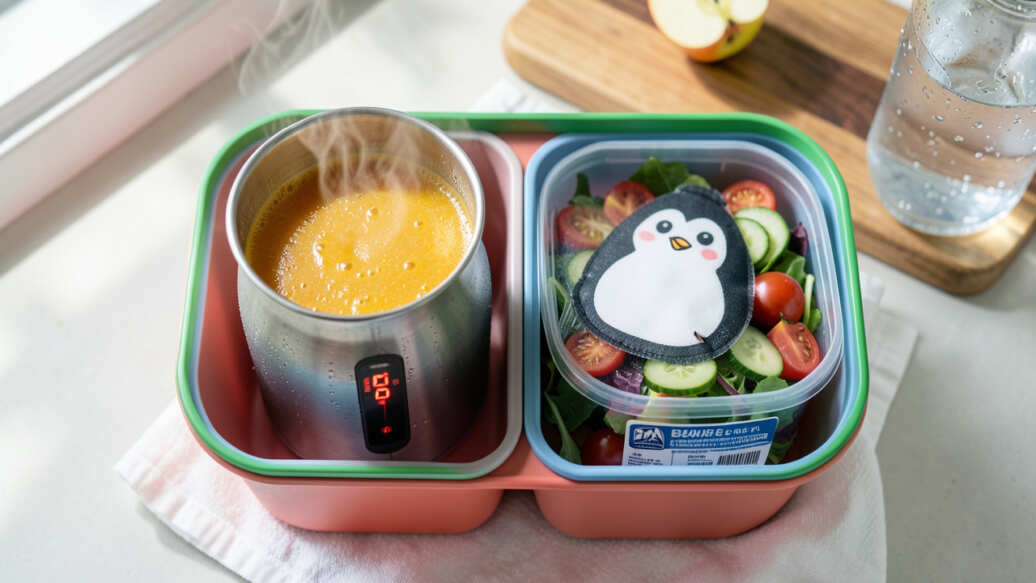
Keeping Hot Foods Hot and Cold Foods Cold
Temperature plays a huge role in how food holds up. When hot food cools in a closed container, condensation forms. This moisture can make even non-soggy items feel damp.
Similarly, cold items can sweat if the container isn’t insulated properly.
Use Insulated Lunch Bags
An insulated lunch bag is your best friend. It helps maintain the temperature of your food for longer. This means less condensation from hot foods and better freshness for cold items.
Look for bags with good insulation.
Pack Hot Foods in Thermoses
For soups, stews, or pasta, a good quality thermos is ideal. Preheat the thermos with boiling water for a few minutes, then empty and fill it with your hot food. This keeps food piping hot and prevents moisture from escaping into the main lunchbox.
Use Ice Packs for Cold Foods
Keep cold items like yogurt, cheese, or salads chilled with reusable ice packs. Place them strategically in your lunchbox to maintain a safe and cool temperature. This prevents condensation and keeps food from spoiling.
Allow Hot Food to Cool Slightly
While you want to pack hot food, letting it cool for 10-15 minutes before sealing the container can help. This reduces the initial steam output. It’s a balance between keeping it warm and minimizing condensation.
This is a key among Lunchbox Hacks That Keep Food From Getting Soggy.
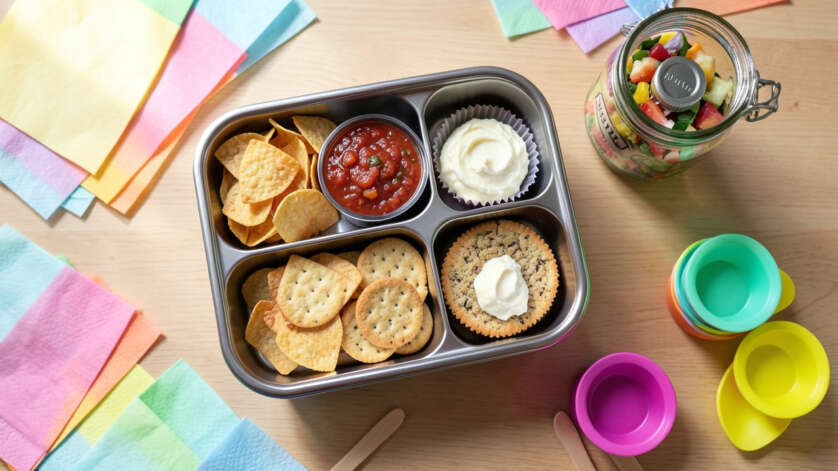
Lunchbox Container Strategies for Dry Food
The type of containers you use can significantly impact the sogginess of your food. Not all containers are created equal when it comes to managing moisture and keeping things separate.
Bento Boxes Are Your Friend
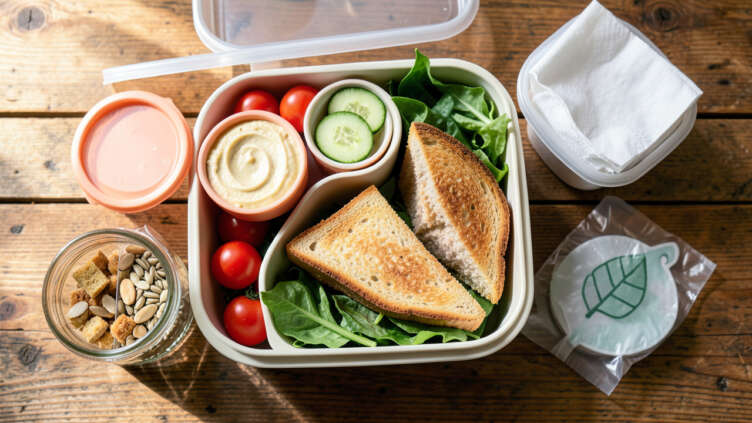
Bento boxes are designed with compartments. This is a fantastic way to keep different food items separate. You can put your sandwich in one section, fruits in another, and a dip in a small cup.
This physical separation is a primary defense against moisture transfer.
Use Small, Leak-Proof Containers
For dressings, dips, or wet fillings, small, leak-proof containers are essential. They prevent liquids from spreading to other parts of your lunchbox. Having a collection of these small containers is a must for smart packing.
Silicone Muffin Liners as Dividers
Silicone muffin liners or cupcake liners can be surprisingly useful. Place them in larger compartments to create mini-sections for smaller items like berries, nuts, or small snacks. They act as excellent moisture barriers.
Consider Breathable Containers for Certain Foods
For items like leafy greens or some fruits, containers that allow a little air circulation can be beneficial. Avoid completely airtight containers if you’re packing items prone to sweating. A slightly ajar lid or a container with vents can help.
The Power of the Paper Towel and Other Moisture Absorbers
Sometimes, the simplest solutions are the most effective. A few common household items can work wonders to combat excess moisture in your lunchbox.
The Humble Paper Towel
As mentioned before, a small piece of paper towel can be placed at the bottom of a container holding items like sliced apples, cucumbers, or even the bottom slice of bread for a sandwich. It’s a disposable moisture absorber that’s readily available.
Rice for Extra Moisture Control
A small, sealed packet of uncooked rice can be a secret weapon. Place a small amount of dry rice in a breathable pouch (like a small mesh bag or a piece of cheesecloth tied shut) at the bottom of your lunchbox. It can absorb ambient moisture throughout the day.
This is a clever addition to your Lunchbox Hacks That Keep Food From Getting Soggy.
Crackers and Dry Snacks
Packing dry snacks like crackers, pretzels, or even a small bag of dry cereal can also help. They absorb moisture and provide a crunchy treat. Just ensure they are kept separate from items that could make them soggy.
Drying Herbs and Spices
If you’re packing a salad with herbs, make sure they are thoroughly dried. Excess water clinging to herbs can contribute to sogginess. Pat them dry with a paper towel before adding them to your salad.
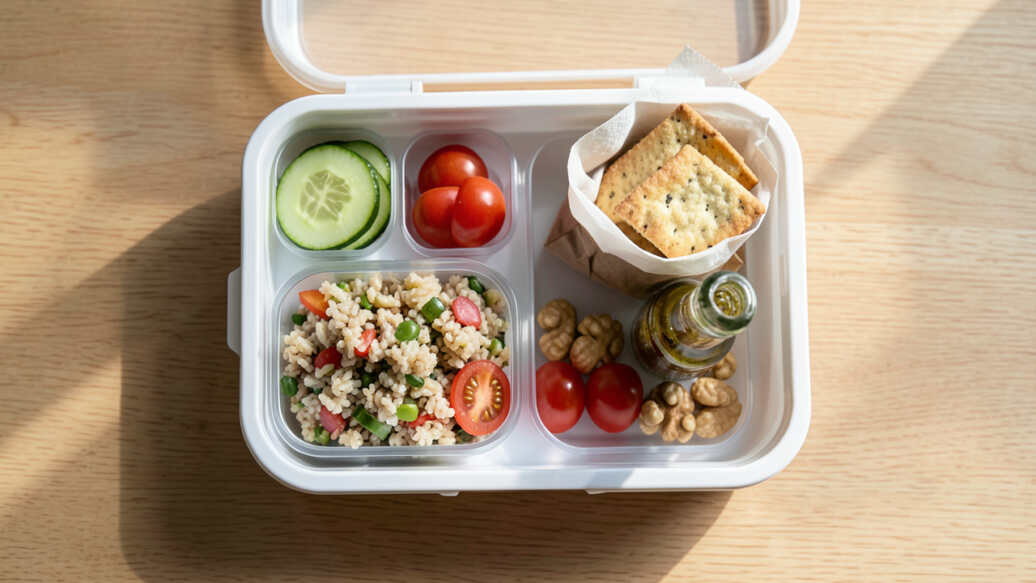
Packing Order Matters: The Final Frontier of Dry Lunches
The order in which you pack your lunchbox can be just as important as the methods you use. A thoughtful packing strategy ensures everything stays in place and dry.
Start with Heavier Items
Place heavier, sturdier items at the bottom of your lunchbox. This includes containers with pasta, rice dishes, or salads. They provide a stable base.
Add Sandwiches and Main Courses
Next, place your main items like sandwiches or wraps. Position them so they don’t get crushed by heavier items. If you’ve used the separation method, place the bread component here.
Tuck in Smaller Containers and Snacks
Fill in the gaps with smaller containers of dips, fruits, or vegetables. This prevents items from shifting around, which can cause damage or leaks. Keep these items upright if possible.
Place Delicate Items on Top
Finally, place any delicate items like berries or cookies on top. This ensures they won’t be squashed. Ensure all lids are secure before closing the lunchbox.
The Importance of a Sturdy Lunchbox
A well-designed lunchbox with multiple compartments or the ability to securely hold smaller containers is invaluable. It helps keep everything organized and prevents items from mingling and transferring moisture. This is one of the most practical Lunchbox Hacks That Keep Food From Getting Soggy.
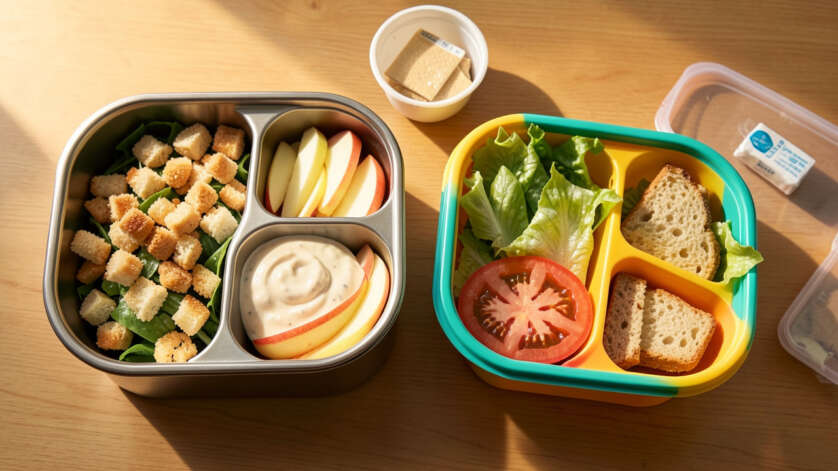
Comparing Lunchbox Types for Moisture Control
Different types of lunchboxes offer varying degrees of moisture control. Understanding these differences can help you choose the best option for keeping your food dry.
An insulated lunch bag is often the best choice for preventing sogginess. It helps maintain a stable temperature, which is crucial for controlling condensation. Hard-sided plastic lunchboxes can work well if you use good quality containers inside.
Fabric lunch totes are versatile but might require extra attention to temperature control.
Frequently Asked Questions
What is the best way to pack a sandwich to prevent it from getting soggy?
The best method is to pack wet fillings like tomatoes or spreads in a separate small container. You can also use a barrier spread like butter or mayonnaise directly on the bread to block moisture.
How can I stop my fruit salad from making other food soggy?
Ensure all fruit is thoroughly dried after washing. Pack it in a separate, leak-proof container. For very juicy fruits, consider adding a small piece of paper towel to absorb excess moisture.
Are there specific lunchbox materials that help keep food from getting soggy?
Yes, insulated lunch bags are excellent because they maintain temperature, which reduces condensation. Materials that allow for some air circulation can also be beneficial for certain foods, preventing trapped moisture.
What if I want to pack leftover pasta? How do I avoid it becoming a sticky mess?
Make sure the pasta is completely cooled before packing. Toss it with a small amount of olive oil or sauce to prevent sticking. If it has a sauce, ensure it’s well-distributed and not pooling at the bottom.
Can I use everyday items to help with Lunchbox Hacks That Keep Food From Getting Soggy?
Absolutely! Simple items like paper towels can absorb excess moisture. Uncooked rice in a small, breathable pouch can also act as a moisture absorber for the entire lunchbox.
When packing a salad, how do I ensure the greens don’t wilt or get soggy?
Always dry your greens thoroughly after washing. Pack them in a separate container. Keep dressing separate and add it just before eating.
Avoid packing wet ingredients directly with the greens.
Final Thoughts
Keeping your lunch fresh and dry is totally achievable with a few smart tricks. By separating wet ingredients, cooling food properly, and using the right containers, you can say goodbye to soggy meals. Try these simple Lunchbox Hacks That Keep Food From Getting Soggy to make your packed lunches more enjoyable every day.