How To Use Every Part Of Vegetables (Zero Waste)
At a Glance Using every part of vegetables for zero-waste cooking involves turning scraps like peels, stems, and leafy tops into flavorful stocks, crispy snacks, and nutritious sides. For example, car…
Using every part of vegetables for zero-waste cooking involves turning scraps like peels, stems, and leafy tops into flavorful stocks, crispy snacks, and nutritious sides. For example, carrot peels become crispy chips, broccoli stems are far more than fiber, and cauliflower leaves and stalks can be roasted or sautéed. This approach reduces kitchen waste, saves money, and maximizes the flavor and nutrition from produce you already buy.
Wasting food is a shame, especially when it comes to fresh vegetables. You buy them with good intentions, but often, parts end up in the trash. Learning How to Use Every Part of Vegetables (Zero Waste) can save you money and help the planet.
It’s about getting the most out of your groceries and reducing what goes into the bin. You’ll discover simple ways to make delicious broths, snacks, and more from things you might normally toss. Get ready to transform your kitchen scraps into tasty meals and feel good about making less waste.
Key Takeaways
- Discover easy methods to use vegetable scraps for flavorful broths and stocks.
- Learn how to repurpose common vegetable peels and stems into delicious snacks and side dishes.
- Understand how to properly store and prepare vegetable parts that are often overlooked.
- Find creative ways to use leafy greens and herb stems for added flavor and nutrition.
- Gain practical tips for reducing food waste in your kitchen and saving money.
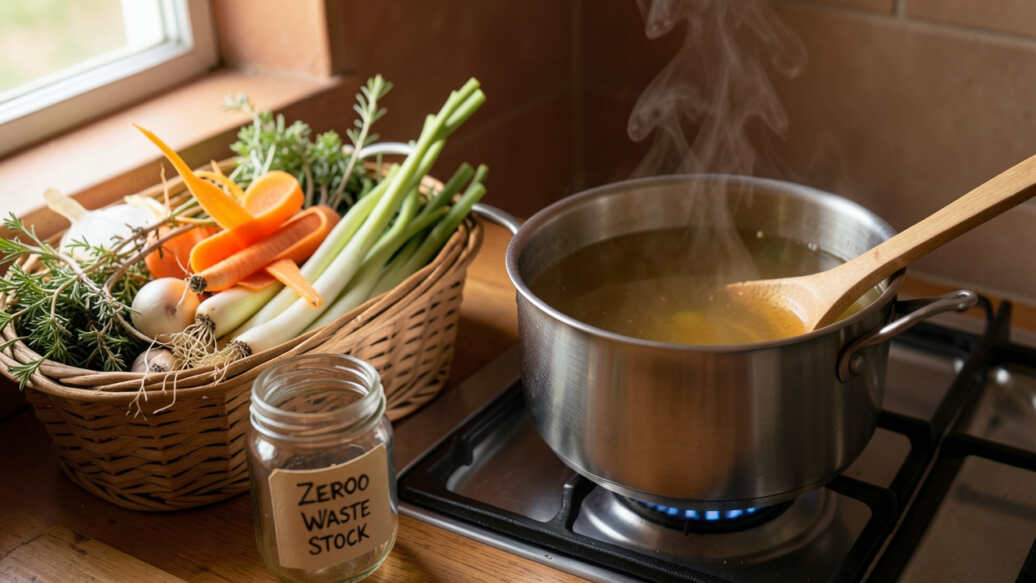
Make Flavorful Stocks and Broths from Scraps
Vegetable scraps are gold for making rich, flavorful stocks and broths. Many parts you might throw away, like onion skins, carrot peels, and celery ends, are packed with taste. These scraps add depth and color to your homemade stock.
This is a fundamental step in How to Use Every Part of Vegetables (Zero Waste).
Gathering your scraps is simple. Keep a large bag or container in your freezer. As you cook, toss in clean vegetable trimmings.
Good candidates include onion skins and ends, carrot peels and tops, celery ends and leaves, leek greens, mushroom stems, and herb stems. Avoid bitter or strongly flavored parts like broccoli stalks if you want a neutral broth, or use them sparingly for a bolder flavor.
Building Your Stock Base
When your freezer container is full, it’s time to make stock. Rinse the frozen scraps gently. Place them in a large pot.
Add enough water to cover the scraps by about two inches. You can also add a bay leaf or a few peppercorns for extra flavor.
Bring the pot to a boil, then reduce the heat to a simmer. Let it cook for at least 1 hour, or up to 4 hours for a richer flavor. The longer it simmers, the more flavor the scraps will release.
This process transforms potential waste into a versatile cooking liquid.
Straining and Storing Your Broth
Once simmered, strain the liquid through a fine-mesh sieve. Discard the solids. For a clearer broth, you can line the sieve with cheesecloth.
Let the broth cool completely before storing.
You can store your homemade vegetable stock in airtight containers in the refrigerator for up to 5 days. For longer storage, freeze it in ice cube trays or freezer-safe bags. Frozen stock cubes are perfect for adding quick flavor to sauces, soups, and stews.
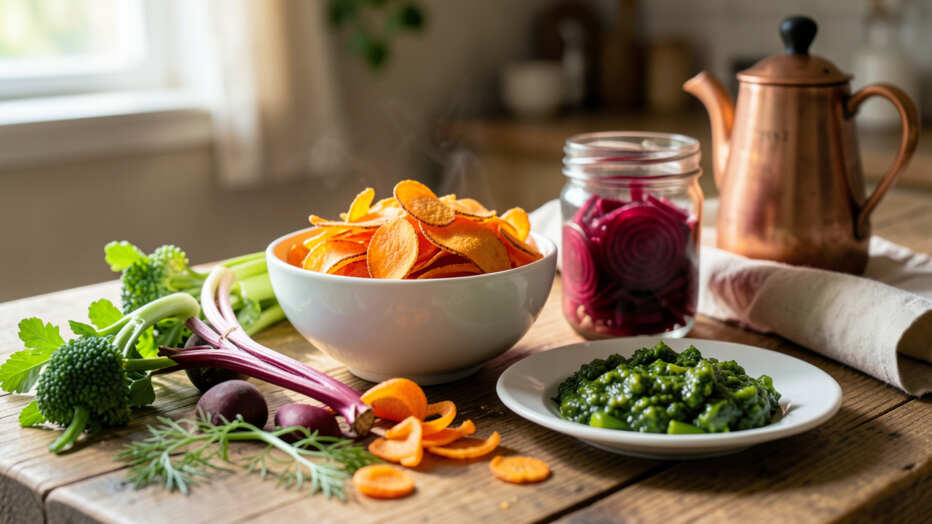
Transform Peels and Stems into Tasty Bites
Beyond broths, many vegetable peels and stems can be cooked into delicious snacks or side dishes. This is a key aspect of How to Use Every Part of Vegetables (Zero Waste). It requires a little creativity but offers rewarding results.
Crispy Carrot Peel Chips
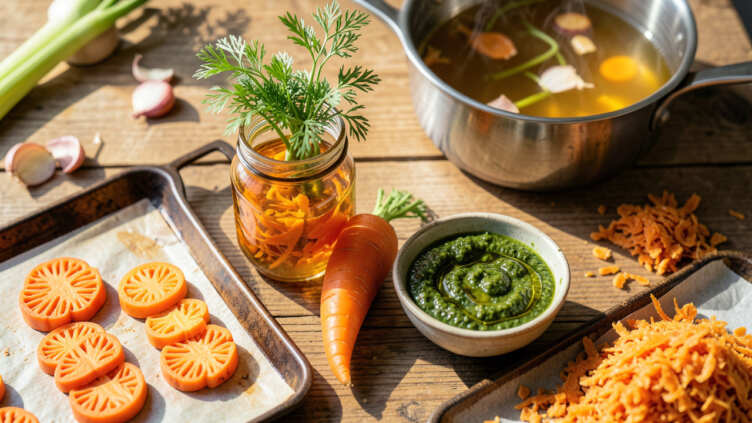
Carrot peels can be made into surprisingly tasty chips. Wash your carrots thoroughly. Peel them and toss the peels with a little olive oil, salt, and pepper.
Spread them in a single layer on a baking sheet.
Bake at around 375°F (190°C) for 10-15 minutes, or until crispy. Keep an eye on them, as they can burn quickly. These make a great snack or a crunchy topping for salads.
Broccoli Stems: More Than Just Fiber
Don’t discard broccoli stems! They are nutritious and flavorful. Peel off the tough outer layer of the stem with a vegetable peeler.
The inner part is tender and can be used in many ways.
You can chop them finely and add them to stir-fries, soups, or pasta dishes. Another option is to shred them and use them in coleslaw or a broccoli slaw. Steaming or roasting them also makes them a tender side dish.
Cauliflower Leaves and Stalks
Cauliflower leaves are edible and can be roasted or sautéed. They have a taste similar to kale but are more delicate. Wash them well and chop them into bite-sized pieces.
The thick stalk can also be used. Peel the outer layer and chop the inner stalk into small pieces. Add these to your vegetable stock, or steam and eat them like other vegetables.
Roasting them with a little oil and seasoning brings out a sweet flavor.
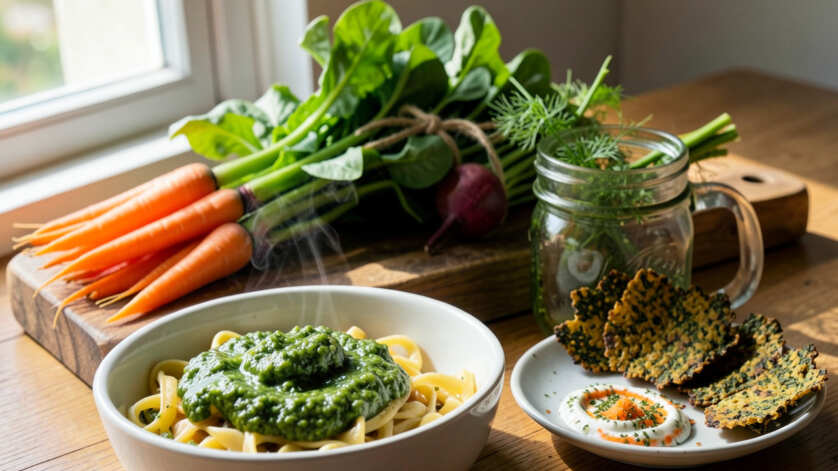
Creative Uses for Leafy Tops and Greens
Many root vegetables come with leafy tops that are often overlooked. These greens are packed with nutrients and can add a fresh flavor to your meals. Embracing these is central to How to Use Every Part of Vegetables (Zero Waste).
Radish Greens
Radish greens have a peppery bite, similar to arugula. Wash them thoroughly and chop them. You can add them raw to salads for a spicy kick.
They also sauté well with garlic and olive oil, similar to spinach or kale.
Another idea is to blend them into a pesto. Combine them with nuts, garlic, Parmesan cheese, and olive oil for a unique and flavorful sauce. This is a fantastic way to use a part of the radish that most people discard.
Beet Greens
Beet greens are incredibly nutritious and have a slightly earthy flavor. They can be cooked similarly to Swiss chard or spinach. Remove the tough stems if they are very thick.
Sauté them with garlic and a splash of lemon juice. They are also delicious wilted into soups or stews. For a more robust flavor, try braising them with a little broth or wine.
You can also blend them into smoothies for an extra nutrient boost.
Carrot Tops Pesto
Did you know carrot tops can be turned into pesto? They have a slightly bitter, herbaceous flavor that works well. Wash them thoroughly and remove any thick stems.
You’ll want to use the feathery leaves.
Blend the carrot tops with garlic, pine nuts or walnuts, Parmesan cheese, and olive oil. Season with salt and pepper. This pesto is great on pasta, sandwiches, or as a dip.
It’s a perfect example of How to Use Every Part of Vegetables (Zero Waste).
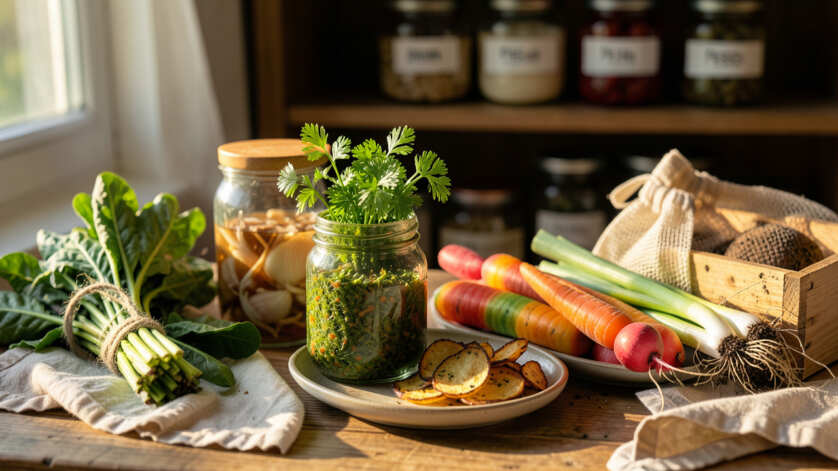
Storing and Preparing Overlooked Parts
Proper storage and preparation are key to successfully using all parts of your vegetables. This ensures they remain fresh and appetizing. Understanding this is vital for How to Use Every Part of Vegetables (Zero Waste).
Freezing for Later
Many vegetable scraps and parts can be frozen. Keep a dedicated bag in your freezer for vegetable trimmings destined for stock. You can also blanch and freeze greens like beet tops or radish greens if you have too many to use at once.
Chopped broccoli stems or cauliflower leaves can also be frozen. This allows you to use them whenever you need them, preventing spoilage. Ensure they are in airtight containers or bags to prevent freezer burn.
Proper Washing Techniques
Always wash your vegetables thoroughly, especially if you plan to eat the peels or use the trimmings for stock. Use a vegetable brush to scrub away dirt and any residue. For leafy tops, wash them in a basin of cold water and lift them out to let the dirt sink to the bottom.
Repeat until the water runs clear.
This step is crucial for food safety and taste. Clean scraps make for a cleaner-tasting stock and more appealing cooked greens. It’s a simple step that makes a big difference.
Understanding Edible vs. Non-Edible Parts
While many parts are edible, some are not. For example, the tough, woody outer layers of some stems should be peeled. If a vegetable part seems too fibrous or bitter, it might be best to reserve it for stock where its strong flavors can be mellowed.
Always research if you’re unsure about a specific vegetable part.
For instance, potato peels are edible, but if they have green spots, they should be removed as they can contain solanine, which is toxic. Knowing these details helps you safely practice How to Use Every Part of Vegetables (Zero Waste).
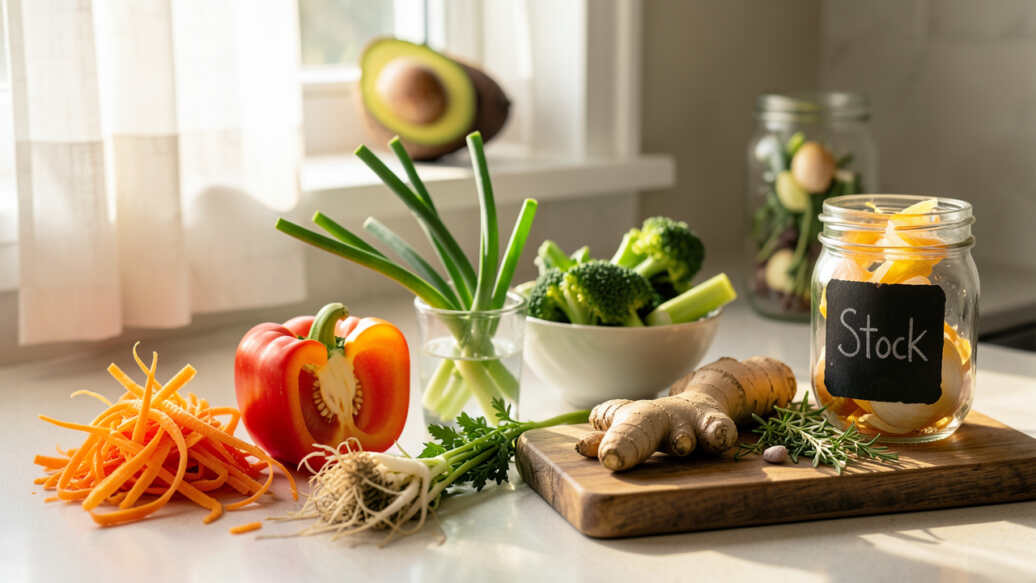
Tips for a Zero-Waste Kitchen Mindset
Adopting a zero-waste approach in the kitchen is a journey. It involves small changes that add up over time. Thinking about how to use every part of your vegetables is a big step.
Start by observing what you typically throw away. Are there recurring items? Brainstorm ways to use them.
Perhaps it’s making a vegetable scrap broth weekly or planning meals that utilize leafy tops. The goal is to be mindful of your food and its potential.
Meal Planning for Waste Reduction
When planning your meals, think about how you can use entire vegetables. If a recipe calls for just the florets of broccoli, plan to use the stem in a stir-fry or soup later that week. This proactive approach helps ensure nothing goes to waste.
Consider recipes that specifically use vegetable scraps or parts. There are many creative dishes that highlight ingredients like carrot tops or beet greens. This makes cooking with these parts fun and exciting.
Composting as a Last Resort
Even with the best intentions, some parts of vegetables might not be usable. For instance, moldy or spoiled sections. In these cases, composting is an excellent alternative to sending them to the landfill.
Compost enriches soil and reduces methane emissions.
Your compost bin can take things like coffee grounds, eggshells, and any truly unusable vegetable scraps. This closes the loop, turning waste into valuable material for growing more food. It’s the final step in a comprehensive How to Use Every Part of Vegetables (Zero Waste) strategy.
Frequently Asked Questions
What are the easiest vegetable parts to use for zero waste cooking?
Onion skins and ends, carrot peels and tops, celery ends, and herb stems are some of the easiest parts to start with for making vegetable broth.
Can I eat the green tops of carrots?
Yes, carrot tops are edible and can be used to make pesto, added to salads, or blended into smoothies. Just wash them well.
How do I store vegetable scraps for making stock?
Keep a bag or container in your freezer. Add clean vegetable trimmings as you cook. Once full, you can use them to make stock.
Are all vegetable peels safe to eat?
Most vegetable peels are safe and nutritious, but always wash them thoroughly. Remove any green parts from potatoes, as they can be toxic.
How can I make my vegetable stock richer?
Simmer the scraps for a longer period, up to 4 hours, and add aromatics like bay leaves or peppercorns. Roasting some of the scraps before simmering can also add depth.
What is the main benefit of practicing How to Use Every Part of Vegetables (Zero Waste)?
The main benefits are reducing food waste, saving money on groceries, and creating more flavorful dishes from ingredients you already have.
Final Thoughts
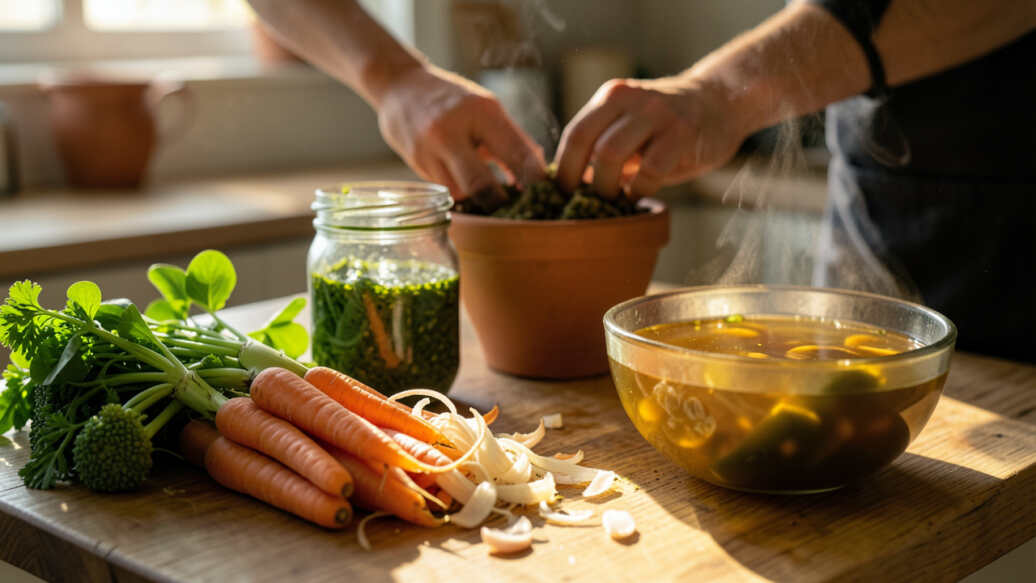
Learning How to Use Every Part of Vegetables (Zero Waste) turns everyday scraps into valuable ingredients. You can create delicious broths, snacks, and meals from peels, stems, and tops. This practice saves money and helps the environment.
Start with one or two ideas and enjoy making the most of your produce.