How To Revive Stale Bread
At a Glance Stale bread is revived by applying heat and moisture to reverse starch retrogradation, the chemical process that causes hardening. The most effective methods include briefly moistening the…
Stale bread is revived by applying heat and moisture to reverse starch retrogradation, the chemical process that causes hardening. The most effective methods include briefly moistening the crust and heating in an oven at 300°F for 5–10 minutes, or using a damp paper towel and microwave for 10–15 seconds for quick softening. Understanding these techniques reduces food waste by restoring bread to a usable state for immediate consumption or further preparation like croutons or breadcrumbs.
Don’t toss that loaf just yet! Sometimes bread gets a little hard or dry, but that doesn’t mean it’s ruined. You can easily bring it back to life and enjoy it again.
Knowing How to Revive Stale Bread saves you money and stops food waste, giving you delicious toast, croutons, or bread pudding instead of throwing it away. We’ll show you simple tricks to make your bread soft and tasty again, so you can get the most out of every bite.
Key Takeaways
- You can easily make stale bread soft and fresh again with simple methods.
- Reviving stale bread is a great way to save money and reduce food waste.
- Different types of bread might need slightly different approaches for the best results.
- Quick methods can transform your bread in minutes for immediate use.
- Longer methods can fully restore larger loaves for later enjoyment.
- Stale bread can be creatively repurposed into delicious new dishes.
Why Does Bread Get Stale?
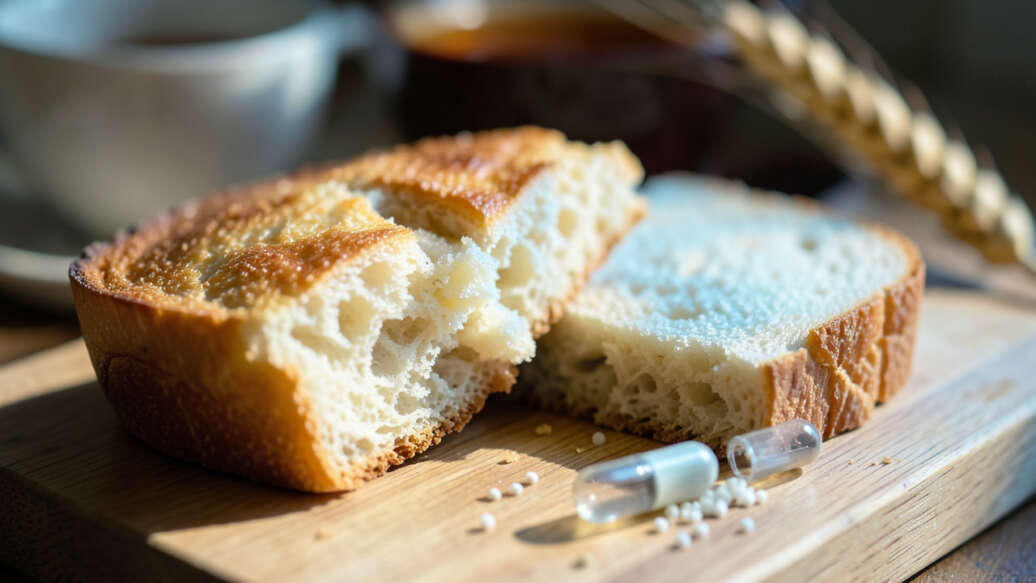
Bread becomes stale mainly due to a process called starch retrogradation. When bread is baked, the starches absorb water and swell. As the bread cools and ages, these starch molecules begin to realign and push water out.
This makes the bread feel hard and dry.
It’s not about moisture loss alone, though that plays a part. The internal structure of the bread changes. This is why even bread stored in a bag can feel tough after a day or two.
Understanding this helps us know why certain methods for How to Revive Stale Bread work so well.
The Best Methods for How to Revive Stale Bread
There are several effective ways to bring your stale bread back to its former glory. The best method often depends on the type of bread and how stale it is. Some methods are quick fixes, while others take a bit more time.
Quick Fixes for Slightly Stale Bread
If your bread is just a little hard, not rock-solid, these quick methods are perfect. They work best for crusty loaves like baguettes or artisan breads.
The Water Splash and Oven Method
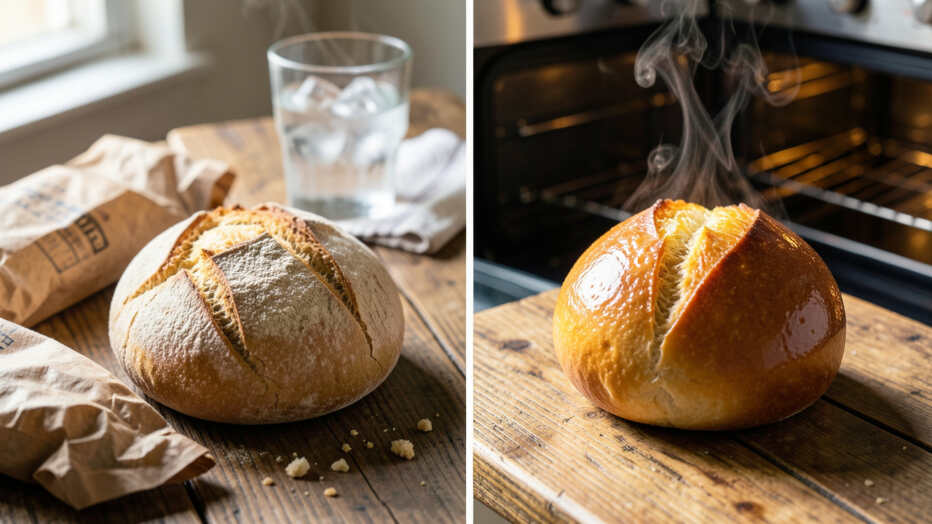
This is one of the most common and effective ways to revive bread. It works by reintroducing moisture and then using heat to soften the starches.
- First, preheat your oven to around 300°F (150°C).
- Next, quickly run the stale bread under a gentle stream of cool water. You want to dampen the crust, not soak it through. For very stale bread, you might splash a bit more water.
- Then, place the damp bread directly on the oven rack. This allows air to circulate around it.
- Finally, bake for about 5 to 10 minutes. The exact time will depend on the size and thickness of the bread. You’ll know it’s ready when the crust is crisp again and the inside is soft.
This method is excellent for loaves that have lost some of their initial softness. It’s a fantastic way to learn How to Revive Stale Bread for immediate use.
The Damp Cloth Method
Similar to the water splash, this method uses a damp cloth to add moisture. It’s a bit gentler and can be good for bread that is slightly less stale.
You’ll need a clean kitchen towel. Dampen it slightly, then wring out any excess water so it’s not dripping. Wrap the stale bread completely in the damp towel.
Place the wrapped bread in a warm oven (around 300°F or 150°C) for about 10-15 minutes. The towel will steam the bread, making it soft.
Reviving Very Stale or Hard Bread
When bread is very hard, almost like a rock, you’ll need methods that can penetrate deeper. These are still simple and effective for How to Revive Stale Bread.
The Steaming Method
Steaming is a great way to rehydrate bread without making the crust soggy. It works by using steam to soften the bread’s interior.
You can create steam in a couple of ways. One is to place the stale bread in a colander set over a pot of simmering water. Cover the colander with a lid or foil to trap the steam.
Let it steam for about 10-15 minutes. Another way is to place the bread in a steamer basket inside a pot with a little water at the bottom, covered tightly. Be careful not to let the water boil dry.
Using a Microwave (with Caution)
Microwaving can be a very fast way to soften bread, but it needs to be done carefully. Bread can quickly become tough again or even rubbery if overdone.
To microwave stale bread, wrap it in a damp paper towel. Place it in the microwave and heat on high for about 10-20 seconds. Check the bread.
If it’s still hard, heat in 10-second intervals until it reaches the desired softness. This method is best for bread you plan to eat right away, as it can harden again quickly once it cools.
Reviving Different Types of Bread
Not all bread is the same, and some respond better to certain revival methods. Knowing the difference can help you master How to Revive Stale Bread for any loaf.
Crusty Breads (Baguettes, Ciabatta, Sourdough)
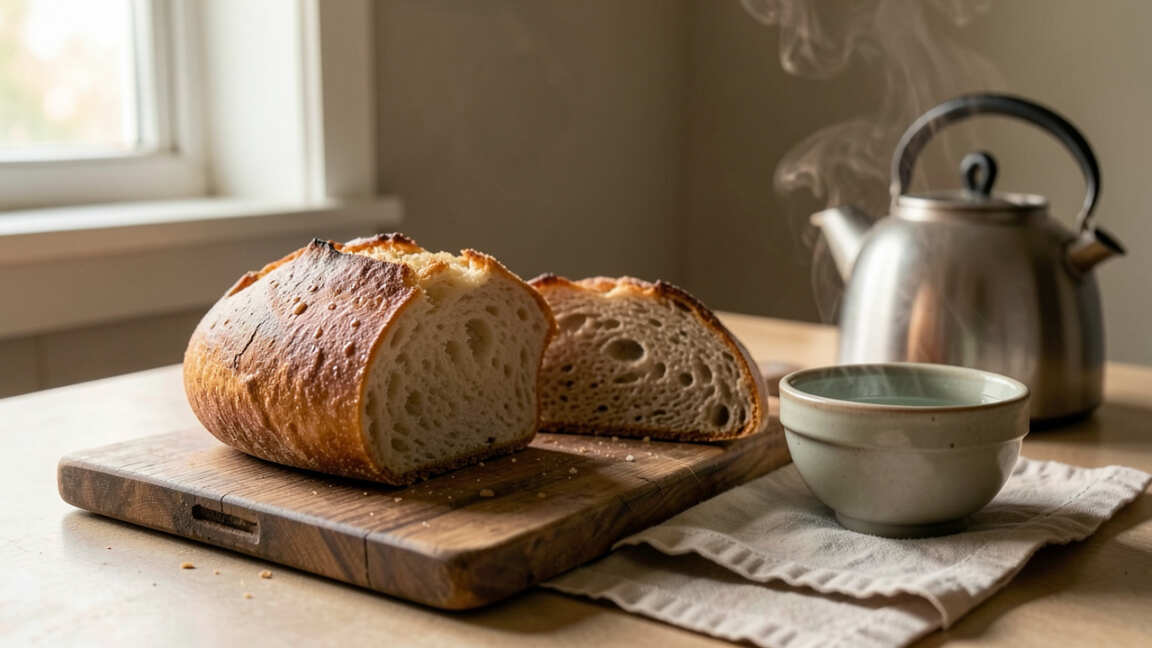
These breads have a robust crust and an airy interior. The water splash and oven method works wonderfully here. The initial dampening rehydrates the crust, and the oven crisps it back up while warming the inside.
Steaming is also a good option if the bread is very hard.
Soft Breads (Sandwich Loaves, Brioche)
Softer breads, like white sandwich bread or enriched brioche, can become dry and crumbly. They don’t have a thick crust to worry about. For these, the damp cloth or gentle steaming methods are ideal.
The microwave method can also work well if you’re eating it immediately.
Sweet Breads (Challah, Sweet Rolls)
Sweet breads can be revived similarly to soft breads. The key is to avoid making them soggy. A short burst in the microwave with a damp paper towel or a brief period wrapped in a damp cloth in a warm oven usually does the trick.
These are often destined for dishes like bread pudding, so perfect softness isn’t always critical.
What NOT to Do When Reviving Bread
While many methods work, there are a few things to avoid to ensure you don’t make your bread worse.
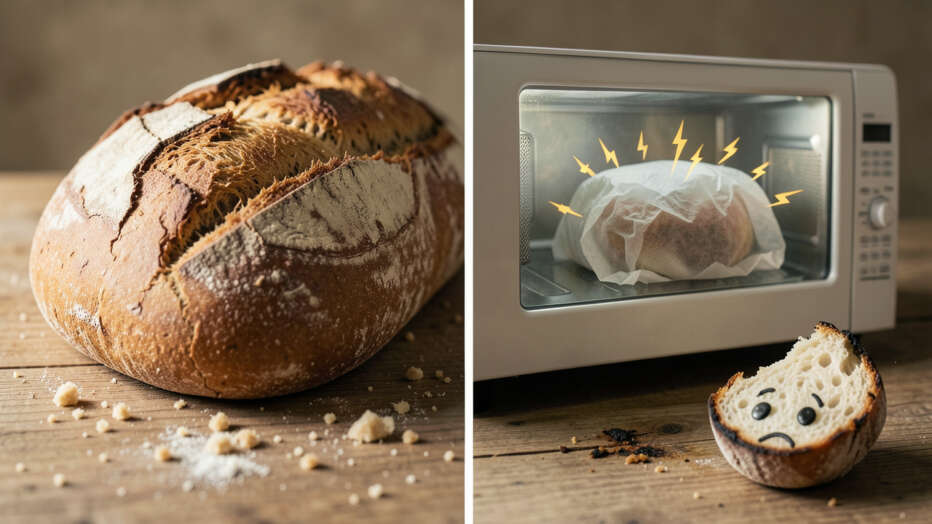
- Avoid Soaking: Never submerge bread completely in water. This will make it mushy and unappetizing. The goal is gentle rehydration.
- Don’t Overheat: Too much heat or time in the oven can dry out the bread even further or burn it. Keep an eye on it.
- Be Wary of Microwaving Too Long: As mentioned, over-microwaving leads to a rubbery texture that’s hard to fix.
- Don’t Expect Miracles for Moldy Bread: If your bread has mold, it’s best to discard it. Revival methods won’t make mold disappear and can spread spores.
Creative Ways to Use Stale Bread
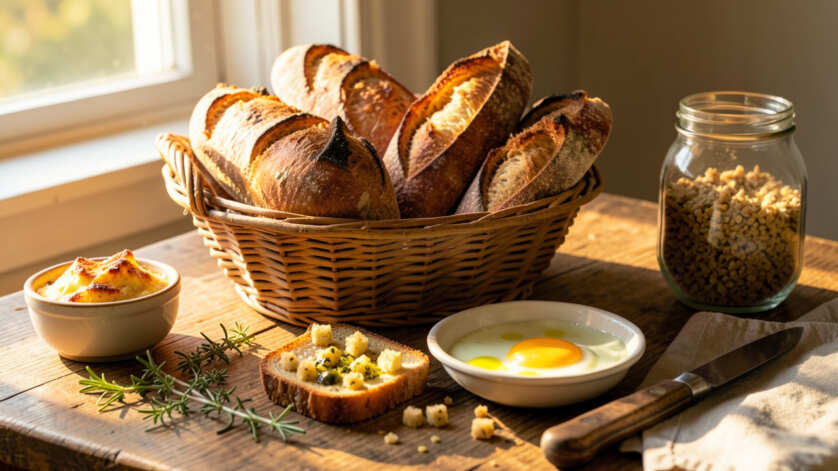
Sometimes, even after trying to revive it, bread might still be a bit tougher than you’d like. Or, you might have just a few slices left. This is the perfect time to get creative!
Learning How to Revive Stale Bread is great, but knowing how to repurpose it is even better for reducing waste.
Croutons
Stale bread is actually ideal for croutons because it holds its shape better. Cut the bread into cubes, toss with olive oil, salt, pepper, and any herbs you like (garlic powder, Italian seasoning). Spread on a baking sheet and bake at 350°F (175°C) for 10-15 minutes, or until golden and crisp.
Flip them halfway through.
Breadcrumbs
You can make fresh breadcrumbs from stale bread. Simply tear the bread into pieces and pulse them in a food processor until they reach your desired consistency. You can use them fresh as is, or spread them on a baking sheet and bake at a low temperature (around 250°F or 120°C) until completely dry for longer storage.
French Toast
Slightly stale bread is fantastic for French toast. It soaks up the egg mixture without falling apart. Slice the bread, dip it in a mixture of eggs, milk, cinnamon, and vanilla, and then fry it in a pan until golden brown.
Bread Pudding
This classic dessert is made for stale bread. The bread absorbs the rich custard mixture beautifully, creating a comforting and delicious treat. You can make sweet or savory bread pudding depending on your preference.
Stuffing or Dressing
Stale bread cubes are the foundation of great stuffing or dressing for holiday meals or any roast chicken. They hold their texture well when mixed with broth, vegetables, and herbs.
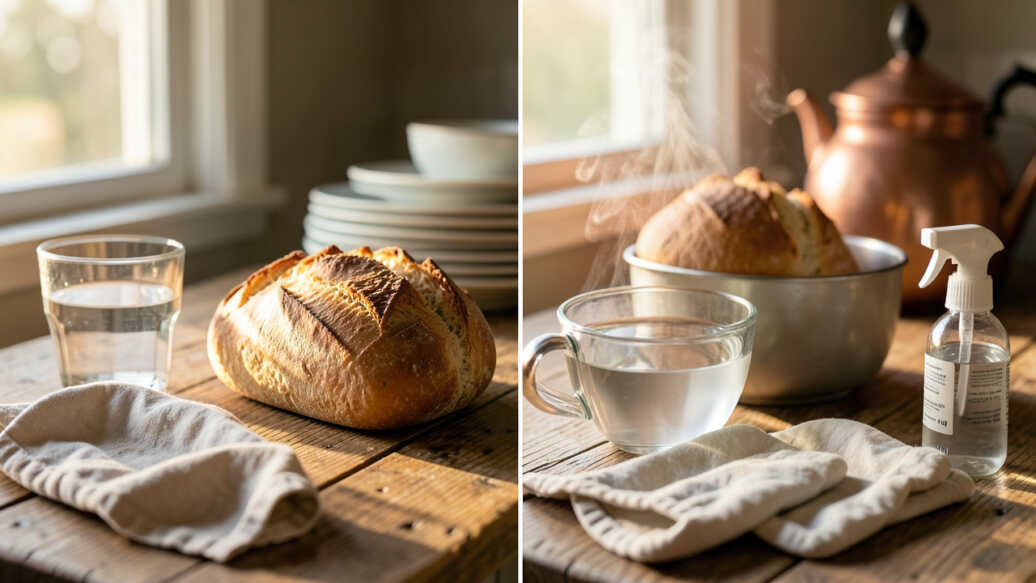
Comparing Revival Methods
Here’s a quick look at how some of the popular methods stack up for reviving your bread.
Choosing the right method is key to successfully learning How to Revive Stale Bread.
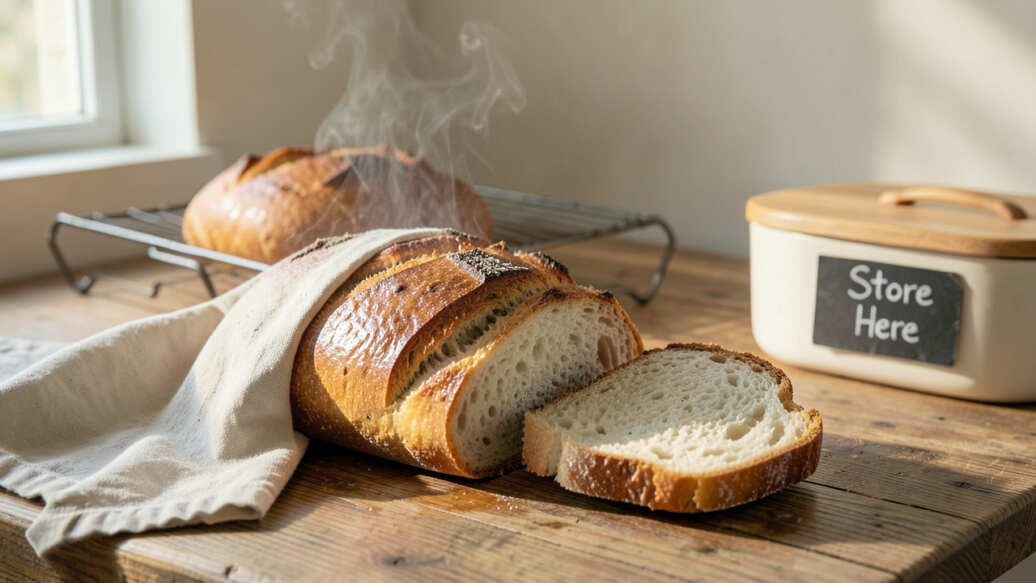
Storing Revived Bread
Once you’ve revived your bread, it’s best to eat it within a day or two. Stored properly, it can retain its improved texture for a little while.
If you revived it using the oven method, let it cool completely on a wire rack before storing. You can store it at room temperature in a paper bag or a bread box. Avoid plastic bags, as they can make the crust soft and less appealing.
If the bread is still a bit moist from revival, you might want to leave it uncovered for a short period to let the surface dry slightly before bagging it. This prevents it from becoming gummy.
Frequently Asked Questions
How quickly does bread go stale?
Bread typically starts to feel stale within a day or two after baking, depending on the type of bread and how it’s stored. Factors like humidity and air exposure play a big role.
Can I revive bread that is extremely hard?
Yes, extremely hard bread can often be revived. Methods like steaming or soaking it slightly longer in water before a quick bake are effective for very stale loaves.
Will reviving stale bread make it taste different?
Generally, no. When done correctly, reviving stale bread restores its original texture and moisture without altering its flavor. It should taste just like it did when it was fresh.
Is it safe to eat stale bread?
Stale bread is perfectly safe to eat, provided it hasn’t developed mold or other signs of spoilage. The staleness is a textural change, not a sign of decay.
What is the best way to store bread to prevent it from going stale too quickly?
Store bread at room temperature in a bread box or a paper bag. Avoid refrigerating it, as this can actually speed up the staling process. For longer storage, freezing is the best option.
How do I know if my bread is too stale to revive?
If your bread has mold, a sour smell, or looks discolored, it’s too far gone and should be discarded. Reviving methods are for textural staleness only.
What’s the fastest way for How to Revive Stale Bread?
The fastest way is usually the microwave method. Wrap the bread in a damp paper towel and heat for 10-20 seconds. However, this is best for immediate consumption as it can harden again quickly.
Final Thoughts
Don’t let that loaf go to waste. With a few simple tricks, you can easily make stale bread soft and delicious again. Mastering How to Revive Stale Bread saves you money and opens up possibilities for tasty snacks and meals.
Try these methods to enjoy your bread to the very last crumb.