How To Reheat Foods Without Drying Them Out
At a Glance Reheating food without drying it out requires using methods that reintroduce moisture or preserve texture, such as adding a splash of liquid or covering with a damp paper towel in the micr…
Reheating food without drying it out requires using methods that reintroduce moisture or preserve texture, such as adding a splash of liquid or covering with a damp paper towel in the microwave. For foods that need to stay crispy, the oven or air fryer is ideal, while stovetop reheating works best for soups, stews, and sauces. Properly cooling leftovers before reheating also helps maintain their original texture and flavor.
Nobody likes dry, sad leftovers. That delicious meal you saved for lunch can end up tasting like cardboard if reheated the wrong way. Knowing How to Reheat Foods Without Drying Them Out is a simple skill that makes a big difference.
It means you can enjoy your food just as much the second time around. You’ll save money by not throwing away perfectly good food and get to savor those tasty flavors again. Let’s look at some easy methods to keep your meals moist and delicious.
Key Takeaways
- Using a splash of liquid can add much-needed moisture back into food.
- Microwaving with a damp paper towel helps steam food and prevent dryness.
- Oven reheating is ideal for foods that need to stay crispy.
- Stovetop reheating works well for soups, stews, and sauces.
- Air fryers can reheat foods quickly while maintaining crispiness.
- Cooling food properly before reheating helps maintain texture.
Why Reheating Matters for Taste and Texture
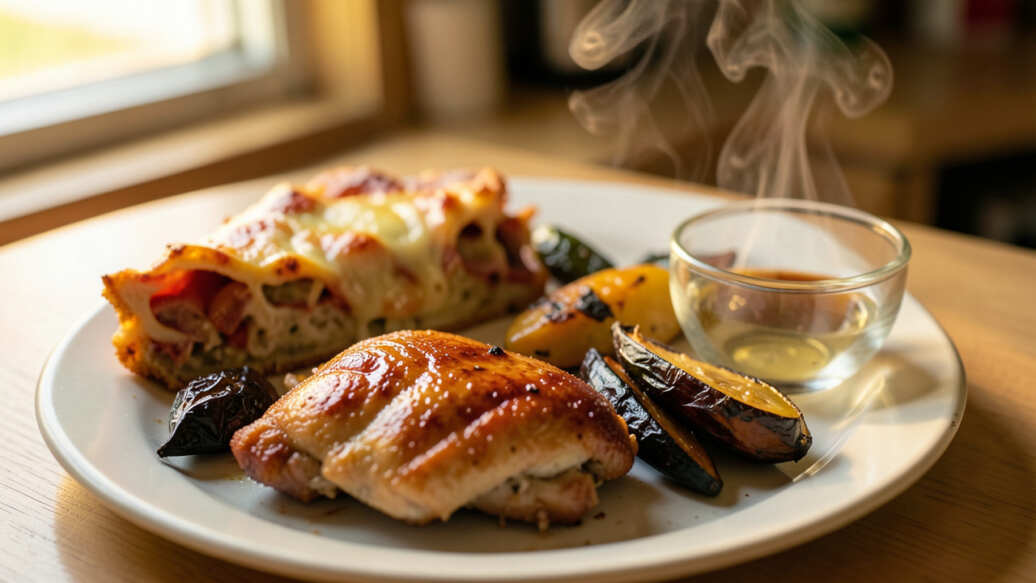
When food is cooked, water and fat distribute throughout. Reheating can cause this moisture to escape, especially with certain cooking methods. This leads to dry, tough, or rubbery textures.
For example, reheating chicken in a microwave for too long can make it tough. Reheating pizza in a microwave can make the crust soggy. Understanding How to Reheat Foods Without Drying Them Out ensures your leftovers are enjoyable, not disappointing.
The goal of proper reheating is to bring the food back to a safe internal temperature of 165°F (74°C) without damaging its original texture. This means finding methods that add moisture or heat gently. It’s about preserving the flavor and tenderness you loved the first time.
This skill helps you get the most out of your cooking and makes meal prep much more satisfying.
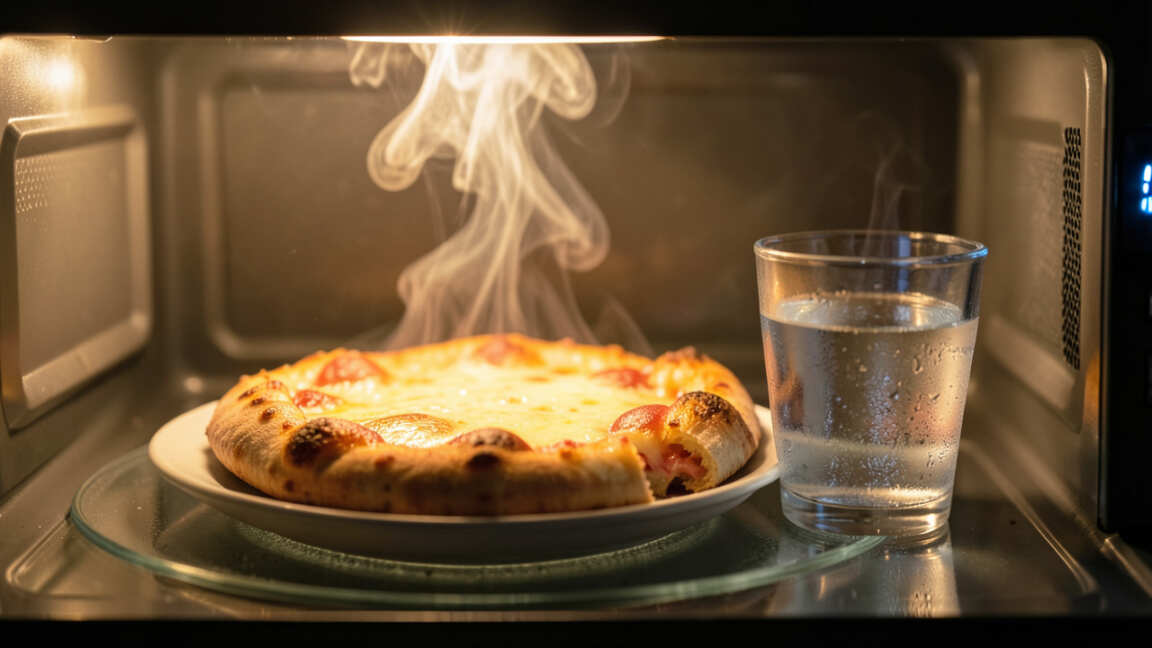
Mastering the Microwave: Your Quickest Option
The microwave is fast, but it can be tricky. It heats food unevenly and can easily dry things out. However, with a few simple tricks, you can reheat many foods well.
The key is to add moisture and heat gently.
Adding Moisture to Microwave Reheating
For most leftovers, adding a little liquid is a game-changer. This could be a tablespoon of water, broth, or sauce. Place the food in a microwave-safe dish.
Add the liquid. Then, cover the dish loosely with a lid or microwave-safe plastic wrap. Leave a small vent for steam to escape.
This trapped steam helps keep the food moist as it heats.
Another great tip is to use a damp paper towel. Lay a slightly damp paper towel over your food before microwaving. This acts like a mini-steamer, infusing moisture as the food heats.
This method works wonders for things like pasta, rice, vegetables, and even some meats.
Microwave Reheating Techniques
First, spread your food in a single layer on a microwave-safe plate. This helps it heat more evenly. Avoid piling food high.
Second, use lower power settings. Instead of high power for a short time, try medium power for a longer time. This heats the food more gently, reducing the chance of drying it out.
Next, stir or rotate your food halfway through the reheating process. This ensures even heating. If reheating something like rice or pasta, stir it to break up clumps and distribute any added moisture.
For dense items, like a piece of chicken, rotate the plate. This is a crucial step for successful microwave reheating.
Then, let the food rest for a minute after microwaving. The residual heat will continue to cook it slightly and allow the moisture to redistribute. This resting period is often overlooked but is very important for achieving the best results when you are learning How to Reheat Foods Without Drying Them Out.
The Oven Method: For Crispy Perfection
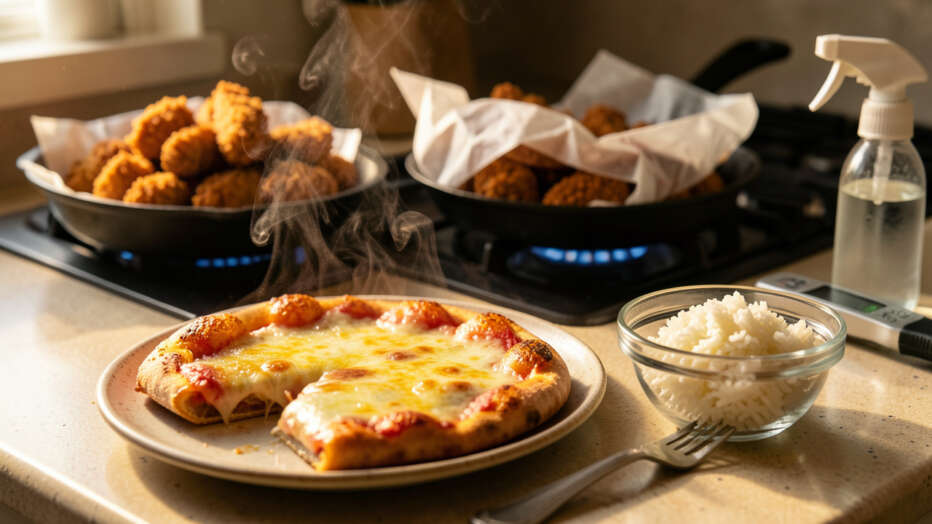
The oven is your best friend for reheating foods that you want to remain crispy. Think pizza, fried chicken, roasted vegetables, or pastries. Microwaves can make these items soggy.
Ovens provide dry heat that can revive their original texture.
Best Foods for Oven Reheating
Foods that benefit most from oven reheating include:
- Pizza: Reheating pizza in the oven restores its crispy crust.
- Fried Foods: Chicken, fish, or fries will regain their crispiness.
- Roasted Vegetables: They can become tender and slightly caramelized again.
- Baked Goods: Bread, muffins, or pies can be warmed without getting tough.
- Casseroles: These reheat well, especially if they have a cheesy or crunchy topping.
Oven Reheating Steps
First, preheat your oven to a moderate temperature, usually around 300-350°F (150-175°C). A lower temperature is better for reheating than a high one, as it heats food more gently.
Second, place your food on a baking sheet. For items like pizza or fried chicken, placing them directly on the oven rack or on a wire rack set over a baking sheet allows air to circulate around them. This helps maintain crispiness.
Next, if your food is dry, you can add a little moisture. For things like roasted meats or casseroles, a splash of broth or water can be added to the bottom of the baking dish before reheating. Cover loosely with foil if you want to prevent the top from drying out too quickly, but remove it towards the end to crisp up.
Then, reheat until the food is warmed through. This usually takes 10-20 minutes, depending on the food and the oven temperature. Use a food thermometer to ensure the internal temperature reaches 165°F (74°C).
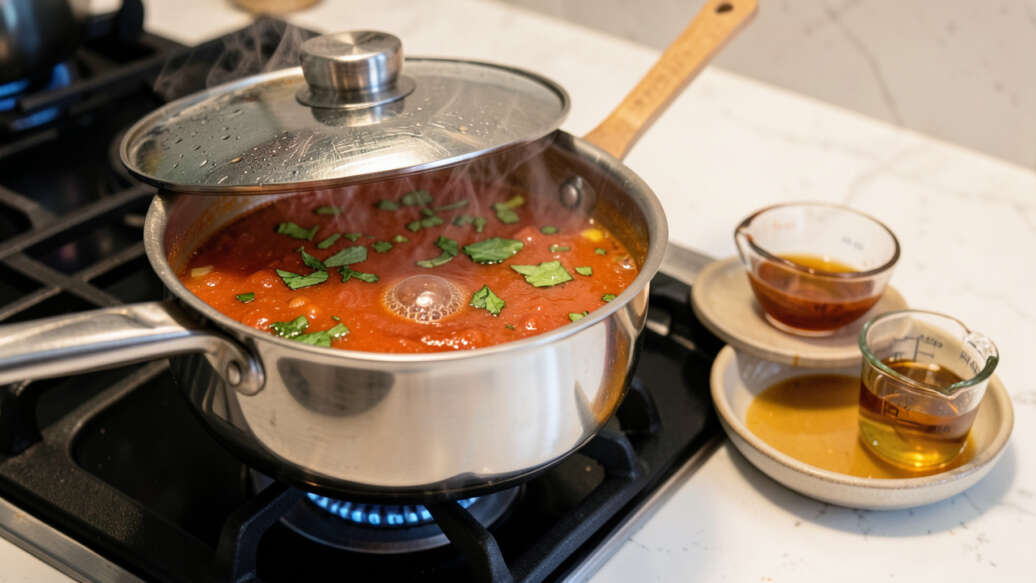
Stovetop Reheating: For Soups and Sauces
The stovetop is an excellent method for reheating liquids and dishes that are sauce-based. It offers good control and can gently bring food back to temperature.
Ideal Dishes for Stovetop Reheating
This method is perfect for:
- Soups and Stews: They reheat beautifully and often taste even better the next day.
- Sauces: Cream sauces, tomato sauces, and gravies can be warmed without breaking.
- Chili: Its flavors meld and deepen with gentle stovetop reheating.
- Pasta Dishes with Sauce: The sauce helps keep the pasta from drying out.
Stovetop Reheating Steps
First, pour the food into a saucepan. For soups and stews, you don’t need to add extra liquid unless it has become too thick. For sauces, you might need to add a tablespoon or two of water, broth, or milk to thin them out.
Second, heat over medium-low to medium heat. Avoid high heat, as this can scorch the bottom of the pan or cause the food to boil too rapidly, leading to dryness or a change in texture.
Next, stir the food frequently. This is very important for even heating and to prevent sticking or burning. Stirring also helps distribute any added liquid.
Then, heat until the food is steaming and hot throughout. Use a spoon to check the temperature in the center. Once it reaches 165°F (74°C), it’s ready to serve.
This is a great way to practice How to Reheat Foods Without Drying Them Out for saucy dishes.
Air Fryer Reheating: The Crispy Champion
The air fryer has become a popular tool for reheating because it excels at restoring crispiness. It circulates hot air, much like a convection oven, but faster and often more effectively for smaller portions.
What to Reheat in an Air Fryer
Air fryers are fantastic for reheating:
- Fried Foods: Chicken tenders, french fries, onion rings, and breaded fish.
- Pizza: It can revive a cold slice to near-original crispness.
- Roasted Meats: Chicken wings or small pieces of roasted meat can be crisped up.
- Pastries: Croissants or danishes can be warmed and made flaky again.
Air Fryer Reheating Steps
First, preheat your air fryer for a few minutes at around 350°F (175°C). This ensures even cooking from the start.
Second, arrange the food in a single layer in the air fryer basket. Don’t overcrowd the basket, as this will prevent the hot air from circulating properly, leading to uneven heating and less crispiness.
Next, reheat for a short time, usually 3-6 minutes. The exact time will depend on the food and the air fryer model. Check on the food periodically.
Then, flip or shake the food halfway through the reheating time. This ensures all sides get crispy. For items like pizza, you might not need to flip, but shaking fries or chicken is beneficial.
This method is a key part of learning How to Reheat Foods Without Drying Them Out when crispiness is desired.
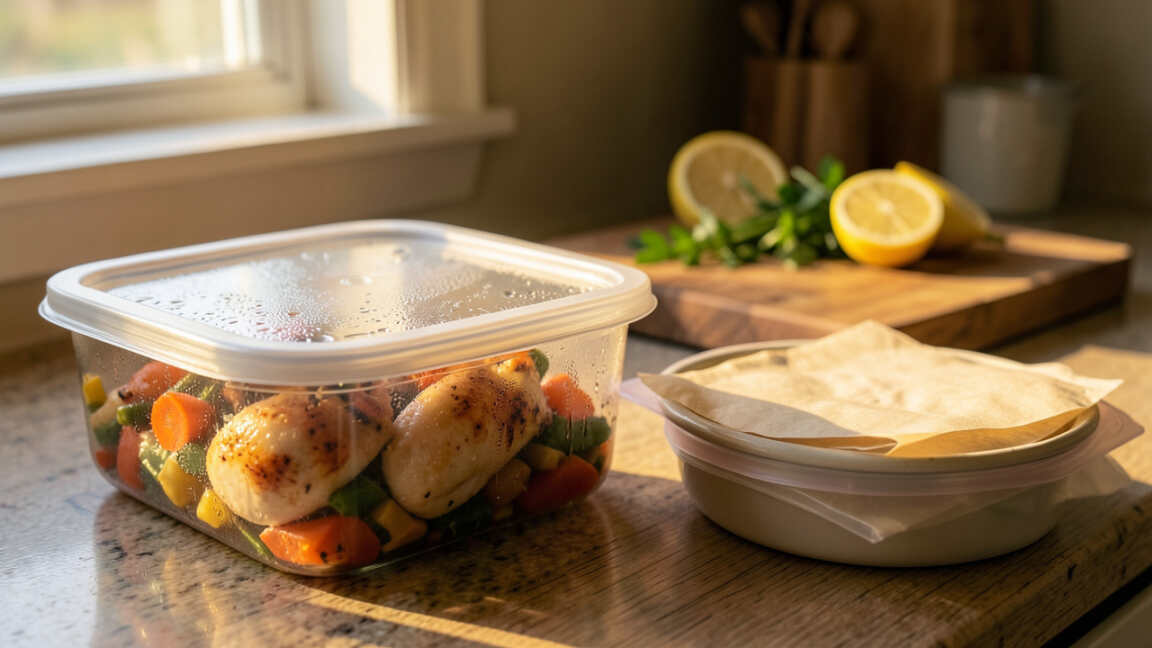
The Importance of Food Storage Before Reheating
How you store your leftovers can significantly impact how well they reheat. Proper storage helps retain moisture and prevents food from becoming dry or tough in the first place.
Cooling Leftovers Properly
It’s important to cool cooked food quickly before storing it. Letting hot food sit out for too long can encourage bacterial growth. However, don’t put steaming hot food directly into the refrigerator.
This can raise the temperature of other foods. Let it cool on the counter for about 30-60 minutes until it’s no longer steaming, then refrigerate.
Airtight Containers are Key
Always store leftovers in airtight containers. This prevents moisture from evaporating into the refrigerator. Moisture loss is a primary reason why food can become dry.
Using glass or BPA-free plastic containers with tight-fitting lids works best. For things like pasta or rice, adding a tablespoon of water before sealing can help retain moisture.
Vacuum-sealed bags are also an excellent option for storing leftovers. They remove most of the air, which helps preserve freshness and prevent moisture loss. This preparation makes the process of How to Reheat Foods Without Drying Them Out much easier later on.
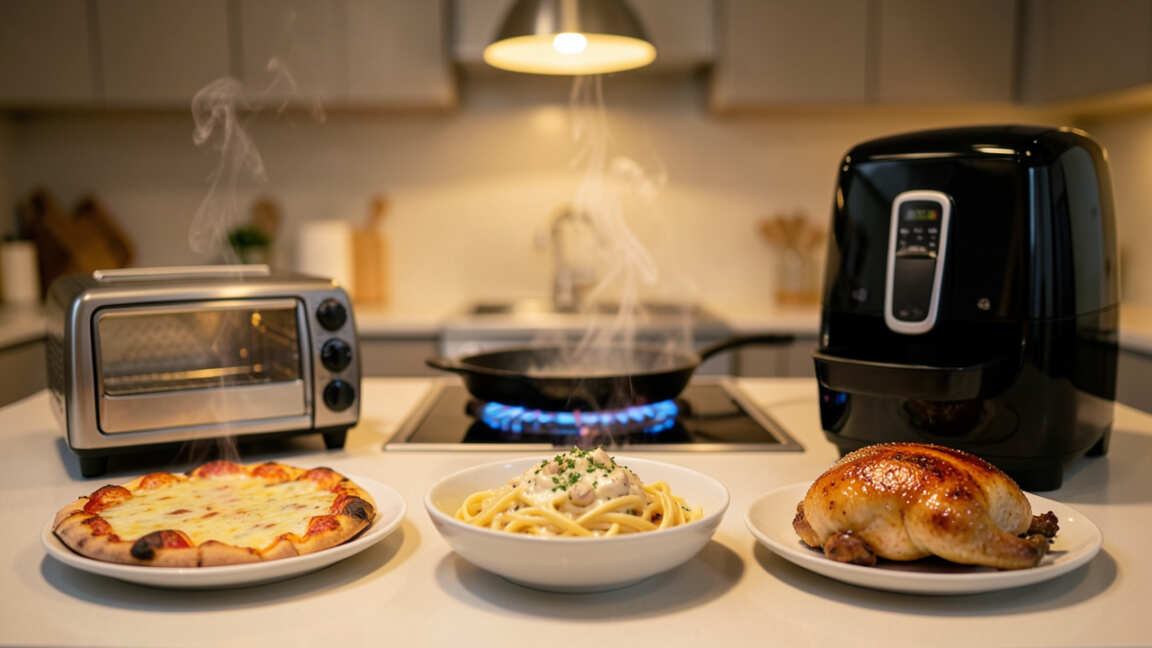
Comparing Reheating Methods
Different foods are best reheated with different methods. Choosing the right one is crucial for success. Here’s a quick comparison:
As you can see, there isn’t a one-size-fits-all answer to How to Reheat Foods Without Drying Them Out. Tailoring your approach to the specific food you are reheating will yield the best results.
Tips for Specific Foods
Reheating Meats
Meats, especially lean ones like chicken breast or pork tenderloin, are prone to drying out. For oven reheating, cover them loosely with foil. For stovetop, add a bit of broth or sauce.
When microwaving, use the damp paper towel trick and lower power settings. Slicing thicker cuts before reheating can also help them heat through more quickly and evenly.
Reheating Rice and Grains
Rice can become hard and dry when reheated. The best way to reheat rice is in the microwave. Add a tablespoon or two of water for every cup of rice.
Cover it tightly and microwave on medium power until hot. Stir halfway through. Quinoa and other grains can be reheated similarly.
Reheating Vegetables
Steamed or boiled vegetables can be reheated in the microwave with a splash of water, covered. Roasted vegetables are best reheated in the oven or air fryer to maintain their texture. Avoid overcooking them, as they will continue to cook when reheated.
Troubleshooting Common Reheating Issues
Food is Still Cold in the Middle
This usually means the food wasn’t heated long enough or evenly. Stirring or rotating food during reheating helps. For larger items, consider cutting them into smaller pieces before reheating.
Using lower power for longer can also ensure the center heats through without drying out the edges.
Food is Dry and Tough
This is the classic problem. If you’ve already reheated and it’s dry, try adding a little liquid (water, broth, sauce) and reheating it gently for a few more minutes, covered. For future reference, use the moisture-adding techniques discussed earlier.
This is the core of learning How to Reheat Foods Without Drying Them Out.
Food is Soggy
This often happens when microwaving foods that should be crispy, like pizza or fried chicken. For these items, switch to oven or air fryer reheating. If it’s already soggy, you might be able to salvage it by finishing it in a hot oven or air fryer for a few minutes to crisp it up.
Frequently Asked Questions
How can I reheat chicken without drying it out?
To reheat chicken without drying it out, use the oven at a moderate temperature (300-350°F or 150-175°C) covered with foil, or add a bit of broth to the pan. In the microwave, use a damp paper towel and lower power settings. The air fryer is also a good option for crispy chicken.
What is the best way to reheat pasta without it getting mushy?
For pasta with sauce, reheat gently on the stovetop or in the microwave, adding a splash of water or sauce if needed. If the pasta itself is dry, adding liquid and covering it before reheating will help. Avoid high heat on the stovetop or over-microwaving, which can make it mushy.
Can I reheat rice in the microwave and keep it moist?
Yes, reheating rice in the microwave is easy and effective for keeping it moist. Add 1-2 tablespoons of water per cup of rice, cover the dish tightly, and microwave on medium power until hot. Stirring halfway through helps distribute the moisture.
Is it safe to reheat food multiple times?
It is generally not recommended to reheat food multiple times. Each reheating cycle can degrade the food’s quality and texture, and increases the risk of bacterial growth if the food doesn’t reach a safe temperature each time. Aim to reheat only the amount you plan to eat.
How do I reheat a steak without making it tough?
Reheating steak can be tricky. For best results, reheat it gently in the oven at a low temperature (around 250°F or 120°C) until just warmed through. Add a splash of broth or butter to the pan if pan-searing it briefly.
Avoid microwaving steak, as it often makes it tough and dry.
What liquid should I add to reheat food?
The best liquid to add depends on the food. Water is a neutral option for most things. Broth (chicken, beef, vegetable) adds flavor to meats and casseroles.
Sauces or gravies can be used to reheat dishes that already have them. A little milk or cream can be good for creamy dishes.
Final Thoughts
Mastering How to Reheat Foods Without Drying Them Out means enjoying your leftovers to their fullest. By using the right method for your food-whether it’s the microwave with a damp towel, the oven for crispiness, or the stovetop for liquids-you can keep meals delicious. Proper storage before reheating also plays a big role.
Experiment with these tips to save food and savor every bite.