How To Make Ice Cubes That Don’T Taste Like Freezer
At a Glance To make ice cubes that don’t taste like freezer, use filtered or distilled water and maintain a clean, odor-free freezer environment. Freezer odors are absorbed by ice from uncovered foods…
To make ice cubes that don’t taste like freezer, use filtered or distilled water and maintain a clean, odor-free freezer environment. Freezer odors are absorbed by ice from uncovered foods and accumulated residues, so regularly cleaning the freezer, sealing strong-smelling items, and placing baking soda to absorb odors are essential. These simple measures, combined with using boiled and cooled water for extra purity, guarantee crisp, neutral-tasting ice for any beverage.
Have you ever taken a sip of your favorite drink and noticed a strange, unpleasant taste? Often, this comes from the ice cubes themselves, picking up odors from your freezer. It’s a common problem that can ruin a perfectly good beverage.
Learning How to Make Ice Cubes That Don’t Taste Like Freezer means you can enjoy crisp, clean-tasting drinks every time, whether it’s a simple glass of water or a fancy cocktail. This guide will show you simple steps to ensure your ice is as refreshing as your drink.
Key Takeaways
- Cleanliness is key: Regularly cleaning your freezer and ice cube trays prevents odor absorption.
- Water quality matters: Using filtered or distilled water makes a significant difference in taste.
- Proper storage prevents issues: Storing ice correctly stops it from picking up freezer smells.
- Avoid odor sources: Keep strong-smelling foods sealed away from your ice.
- Tray material impacts taste: Some materials are better than others for keeping ice pure.
Why Freezer Odors Ruin Your Ice
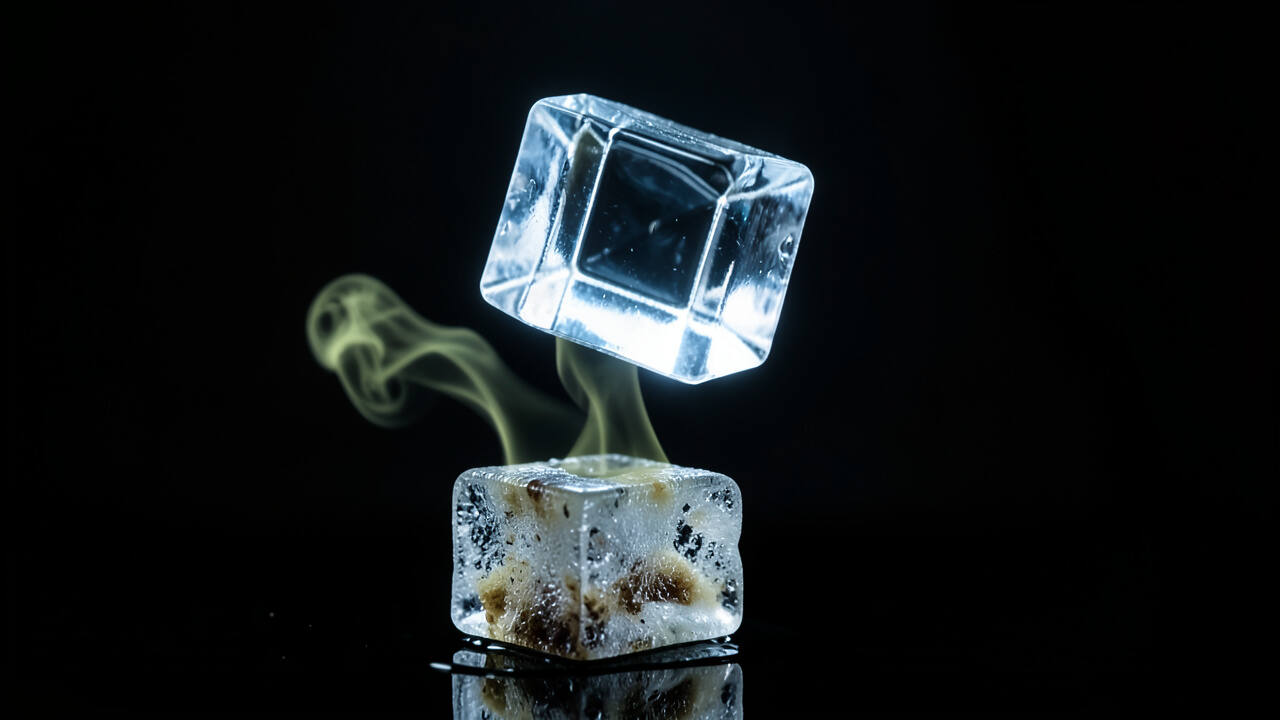
Freezers are designed to preserve food, but they can also become a breeding ground for unwanted smells. When you put leftovers, strong-smelling produce, or even just general food items into your freezer, tiny particles and gases can be released. These particles can then attach themselves to anything nearby, including the water in your ice cube trays.
Over time, this absorbed odor becomes trapped in the ice. When the ice melts, these flavors are released directly into your drink, turning a refreshing beverage into something unpleasant. Understanding How to Make Ice Cubes That Don’t Taste Like Freezer is about protecting the pure taste of your drinks.
This absorption happens because water, especially when frozen, can act like a sponge for airborne particles. The colder the temperature, the more efficiently some of these compounds can be absorbed. It’s a subtle process, but the result is noticeable.
You might not even realize your ice is the culprit at first, but once you identify it, you’ll want to find a solution. The goal is to have ice that enhances your drink, not detracts from it.
The Best Water for Pure Ice
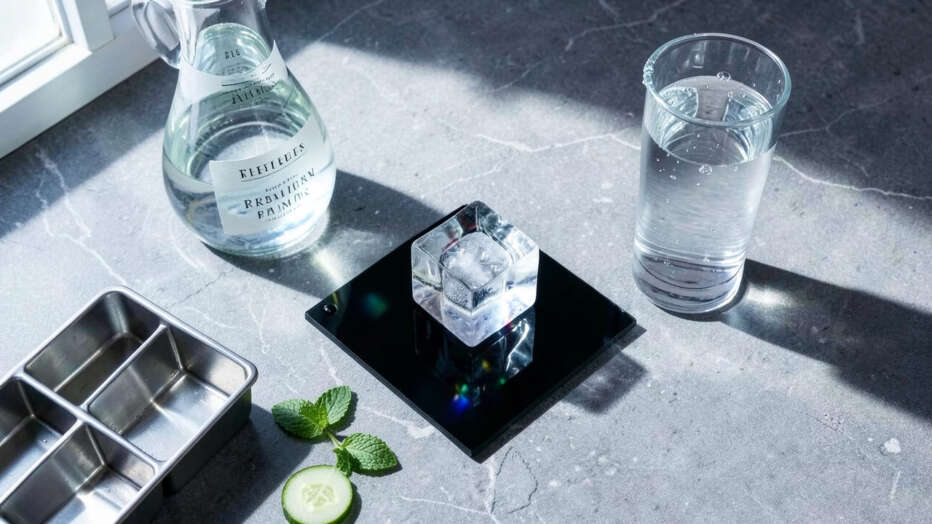
The most direct way to improve the taste of your ice is to start with better water. Tap water, while generally safe to drink, can contain minerals and chemicals like chlorine that might contribute to off-flavors. These can become more pronounced when frozen.
Learning How to Make Ice Cubes That Don’t Taste Like Freezer begins with the source.
Filtered Water
Using a water filter pitcher or a filter attached to your faucet can significantly improve the taste of your water. These filters remove many impurities, including chlorine and other volatile organic compounds (VOCs) that cause odors. If your tap water has a noticeable taste or smell, filtering it is a great first step.
Distilled Water
For the absolute purest ice, distilled water is your best bet. Distillation is a process that boils water and then condenses the steam, leaving behind virtually all impurities, minerals, and dissolved gases. This results in incredibly neutral-tasting water, which translates to neutral-tasting ice.
While it might seem like overkill, it’s a highly effective method for tackling freezer odor issues.
Boiled and Cooled Water
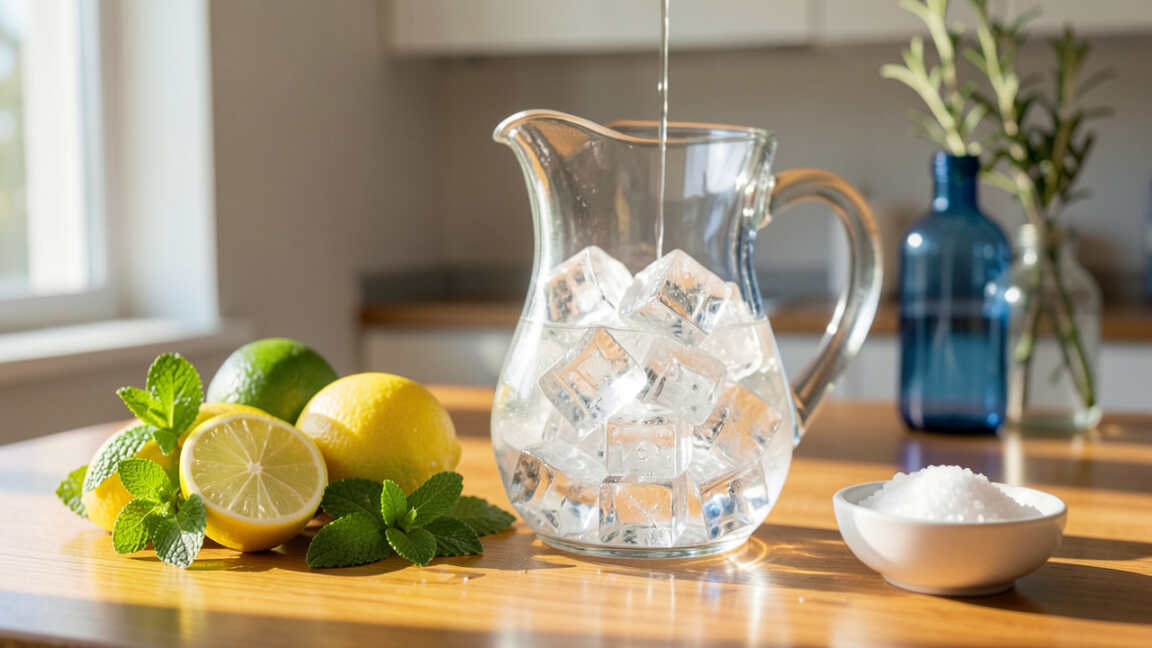
A simpler method for improving water taste is to boil tap water and let it cool completely before freezing. Boiling helps to drive off some of the dissolved gases that can contribute to off-flavors. After boiling, let the water cool down to room temperature or colder before filling your ice cube trays.
This is a quick fix if you don’t have a filter.
Keeping Your Freezer Odor-Free
A clean freezer is essential for clean ice. If your freezer smells, your ice will likely taste that way too. Regular cleaning and smart storage habits are crucial for preventing this.
This is a fundamental part of How to Make Ice Cubes That Don’t Taste Like Freezer.
Deep Cleaning Your Freezer
Aim to do a thorough cleaning of your freezer at least twice a year. First, unplug the freezer and remove all food items. Store them in coolers with ice packs.
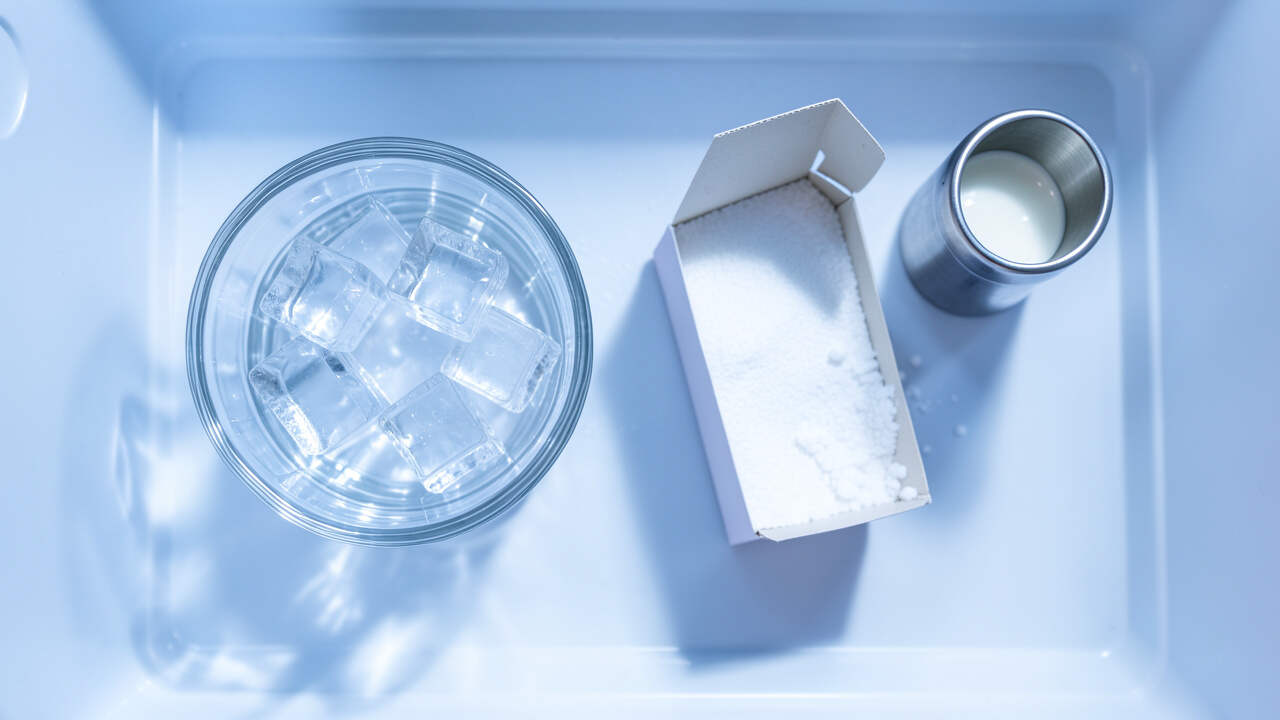
Second, empty the ice maker bin if you have one. Next, mix a solution of baking soda and water (about 1 tablespoon of baking soda per quart of water). Use this solution to wipe down all interior surfaces, shelves, and drawers.
Baking soda is a natural deodorizer.
Rinse the interior with a clean cloth dampened with plain water. Dry everything thoroughly before returning food. Don’t forget to clean the door seals, as they can trap food particles and odors.
A clean freezer is the first line of defense against smelly ice.
Smart Food Storage
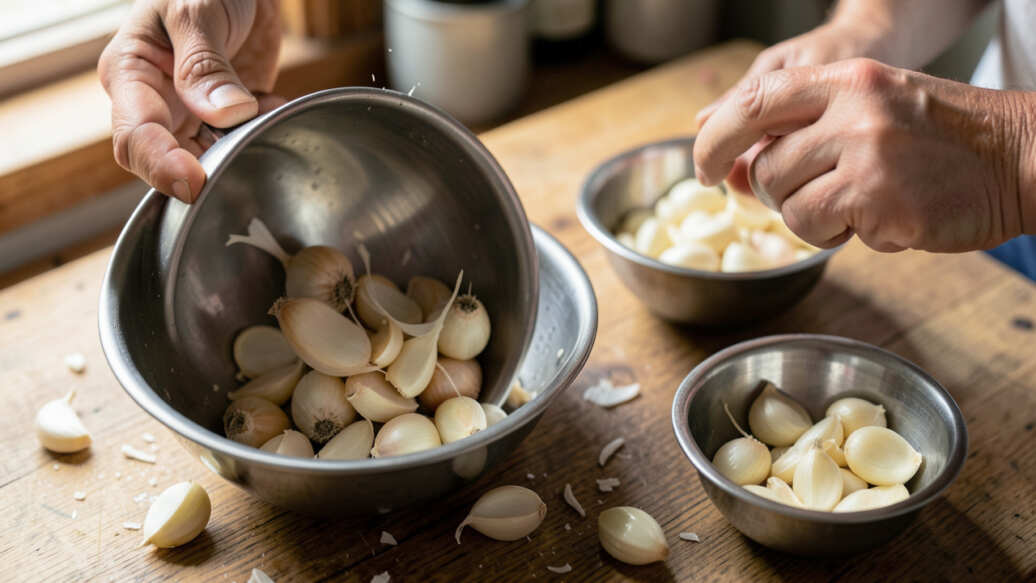
Properly storing food is just as important as cleaning. Always use airtight containers or heavy-duty plastic wrap for leftovers and any strong-smelling foods. This includes things like onions, garlic, fish, and certain cheeses.
If these items are not sealed, their odors will spread throughout the freezer and can be absorbed by your water.
Consider using dedicated freezer bags for items that are particularly prone to releasing strong smells. Double-bagging can also be effective. The less odor there is in the freezer, the less chance your ice has of picking it up.
This proactive approach is key to learning How to Make Ice Cubes That Don’t Taste Like Freezer.
The Power of Baking Soda
An open box of baking soda in the freezer can act as a continuous deodorizer. Replace the box every few months to keep it effective. It works by absorbing odors that are already present in the air.
This is a simple, low-effort way to maintain a fresh-smelling freezer environment.
Choosing the Right Ice Cube Trays
The material of your ice cube trays can also play a role in the taste of your ice. Some materials are more porous or prone to absorbing odors themselves. Understanding the options can help you make better choices.
Silicone Trays
Silicone trays are a popular choice because they are flexible and make it easy to pop out ice cubes. They are generally non-porous and do not absorb odors easily. This makes them a good option for preventing unwanted tastes in your ice.
They are also easy to clean.
Plastic Trays
Many standard ice cube trays are made of plastic. While functional, some plastics can leach chemicals or absorb odors over time, especially if they are older or of lower quality. If you use plastic trays, ensure they are BPA-free and clean them regularly.
Consider replacing older plastic trays that might be showing signs of wear or discoloration.
Stainless Steel Trays
Stainless steel trays are a durable and hygienic option. They are non-porous and do not absorb odors. They can be an excellent choice for producing pure-tasting ice.
However, they can be a bit trickier to get ice out of compared to silicone.
Metal Trays with Plastic Dividers
Some trays combine metal and plastic. The metal base often helps with faster freezing, but ensure the plastic parts are high-quality and odor-resistant. Always check the material specifications if taste is a major concern.
Best Practices for Freezing Water
Beyond the water itself and the trays, how you fill and store them matters. These small details can contribute to the overall success of How to Make Ice Cubes That Don’t Taste Like Freezer.
Fill Trays to the Right Level
Don’t overfill your ice cube trays. Leave a little space for the water to expand as it freezes. Overfilling can lead to misshapen cubes and can also cause water to spill, potentially mixing with other freezer items.
Keep Trays Away from Strong Odors
When placing trays in the freezer, try to position them in a spot that is less likely to be exposed to direct contact with strong-smelling foods. Even with good storage, keeping them in a relatively neutral area can help.
Consider Using a Dedicated Ice Maker
If you frequently have issues with freezer odors affecting your ice, investing in a separate ice maker or a dedicated ice bin might be a good solution. This way, your ice is made and stored separately from your food, minimizing the chance of odor absorption.
Using a Sealed Container for Ice
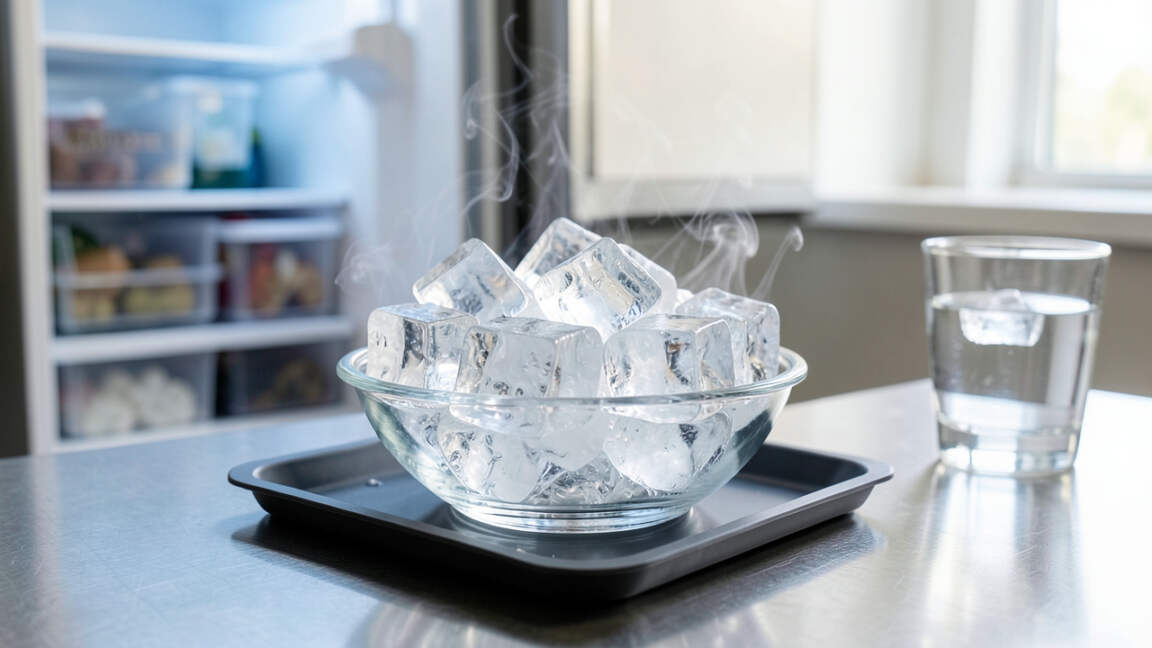
Once the ice cubes are frozen, transfer them to a clean, airtight container. This will protect them from any lingering odors in the freezer. Avoid using open bowls or plastic bags that aren’t sealed tightly.
A good quality freezer-safe container is a worthwhile investment for pure ice.
Common Mistakes to Avoid
Even with the best intentions, a few common slip-ups can sabotage your efforts to make clean-tasting ice. Being aware of these can help you avoid them.
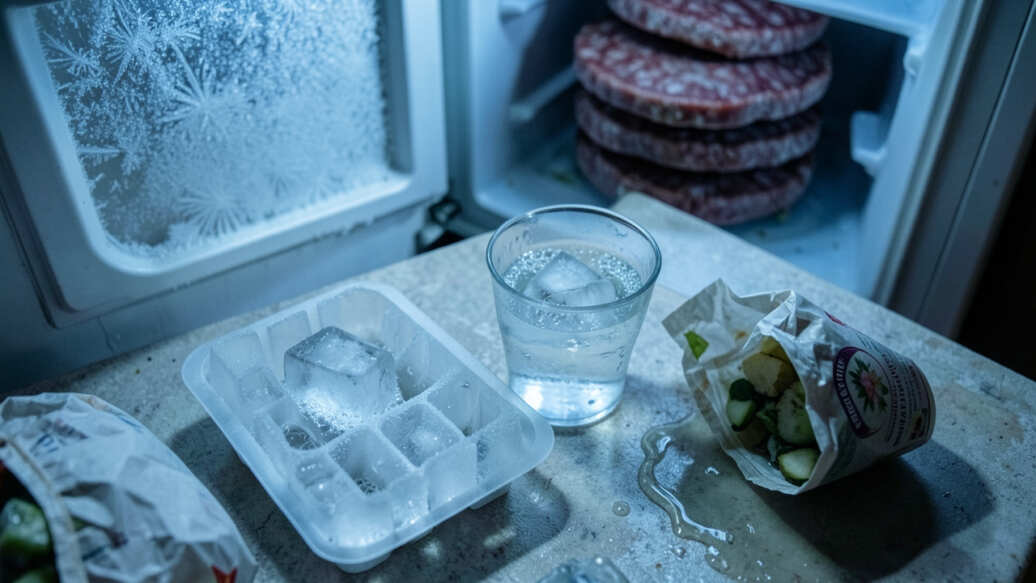
- Not cleaning trays regularly: Old water residue can harbor bacteria and odors. Wash your ice cube trays with soap and water after each use, or at least every few uses.
- Leaving old ice in the tray: Stale ice can absorb more freezer smells. Empty and clean trays promptly.
- Ignoring freezer smells: If your freezer smells funky, assume your ice does too. Address the source of the odor immediately.
- Not sealing food properly: This is a cardinal sin for freezer odor control. Always double-check that your leftovers are well-sealed.
- Using the same water source for everything: If your tap water tastes off, it will likely make your ice taste off too. Consider switching to filtered or distilled water.
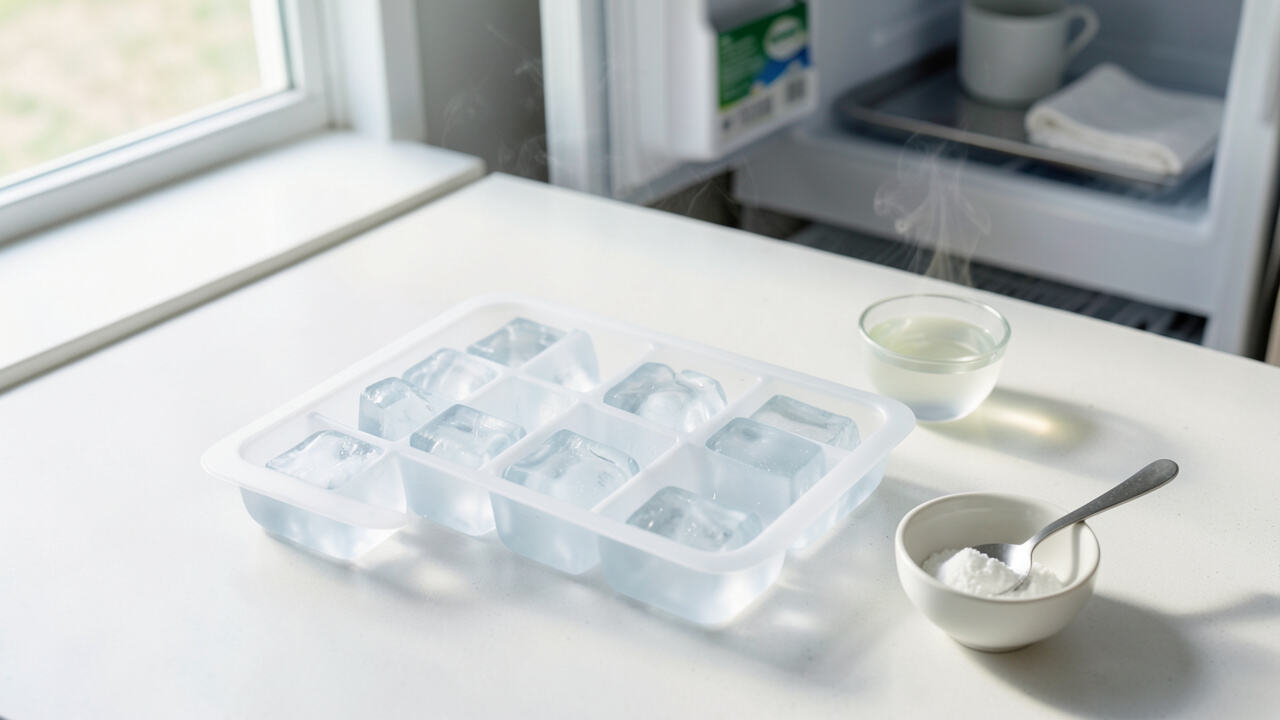
Troubleshooting Smelly Ice
If you’ve tried some of these methods and your ice still tastes off, don’t despair. Here are a few troubleshooting steps.
Double-Check Your Water Source
Sometimes the issue is more subtle. Try a different brand of bottled water or a different type of filter if you suspect your current water source is the problem.
Inspect Your Freezer Again
Did you miss a hidden spill or a forgotten item at the back of the freezer? Do another quick sweep to ensure no odor sources were overlooked. Sometimes, a small forgotten item can cause a big problem.
Consider Your Ice Maker (if applicable)
If you have a refrigerator with a built-in ice maker, the ice bin or the internal tubing might be the culprit. Check your appliance manual for cleaning instructions specific to the ice maker. Some models have removable bins that can be washed.
Learning How to Make Ice Cubes That Don’t Taste Like Freezer is a combination of good habits and simple techniques. By focusing on water quality, freezer cleanliness, and proper storage, you can ensure every drink is perfectly refreshing.
Frequently Asked Questions
Question: What is the main reason ice cubes taste like freezer?
Answer: Ice cubes taste like freezer because the water absorbs odors from food and other items stored inside. This happens as the water freezes and then melts, releasing these absorbed smells into your drink.
Question: How often should I clean my freezer to prevent smelly ice?
Answer: It’s a good idea to do a thorough cleaning of your freezer at least twice a year. Regular spot cleaning and smart food storage can also help maintain a fresh environment between deep cleans.
Question: Can using a water filter help with How to Make Ice Cubes That Don’t Taste Like Freezer?
Answer: Yes, using a water filter pitcher or faucet filter can significantly improve the taste of your ice. Filters remove impurities and chemicals like chlorine that can contribute to off-flavors in ice.
Question: Are silicone ice cube trays better than plastic ones for taste?
Answer: Generally, yes. Silicone trays are less likely to absorb odors compared to some types of plastic, making them a better choice for preventing your ice from tasting like the freezer.
Question: What should I do if my ice still tastes bad after trying these tips?
Answer: If your ice still tastes off, try using distilled water, inspecting your freezer for hidden odor sources, or consider using a dedicated ice maker that is separate from your main food freezer.
Question: Is there a way to make ice cubes that don’t taste like freezer without buying special filters?
Answer: Yes, you can boil tap water and let it cool completely before freezing. This helps remove some of the dissolved gases that can cause off-flavors. Keeping your freezer clean and sealing food well are also crucial steps.
Final Thoughts
Achieving pure-tasting ice is simple with a few key habits. Focus on using clean water, keeping your freezer free of odors, and storing ice properly in airtight containers. By following these steps, you’ll consistently enjoy refreshing drinks without any unwanted freezer flavors.