How To Keep Herbs Fresh For Weeks
At a Glance To keep herbs fresh for weeks, store tender varieties like basil and parsley in water at room temperature, and keep hardy herbs like rosemary and thyme loosely wrapped in dry paper towels…
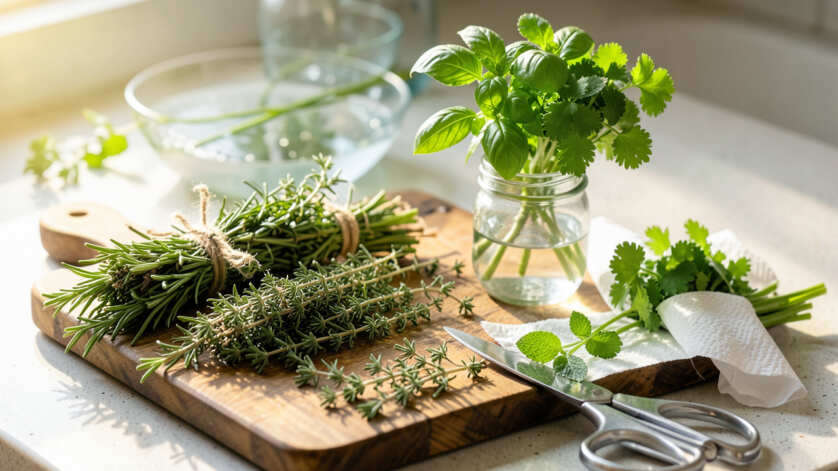
To keep herbs fresh for weeks, store tender varieties like basil and parsley in water at room temperature, and keep hardy herbs like rosemary and thyme loosely wrapped in dry paper towels inside the refrigerator. This method-specific approach prevents common issues such as wilting or mold that occur when all herbs are stored the same way. For even longer preservation, freezing herbs in ice cube trays or on baking sheets locks in their flavor for months without significant loss of quality.
Tired of tossing out wilted herbs just days after buying them? It’s a common frustration, especially when you’ve invested in fresh ingredients for a recipe. Knowing How to Keep Herbs Fresh for Weeks means you can enjoy vibrant flavors in your cooking longer, reduce food waste, and save money.
This guide will show you easy, effective ways to extend the life of your favorite herbs, so you always have the freshest ingredients on hand for meals.
Key Takeaways
- Different herbs need different storage methods for best results.
- Storing herbs in water can significantly extend their freshness.
- Freezing herbs is a great way to preserve them for longer periods.
- Proper drying can preserve herbs for months, though flavor changes.
- Checking herbs regularly helps you catch spoilage early.
- Using the right containers is key to preventing wilting or drying out.
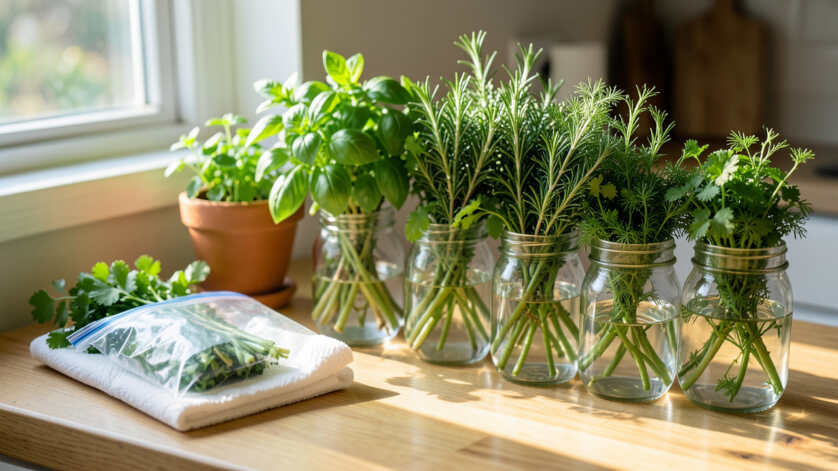
Keep Your Herbs Lively: The Best Storage Methods
Fresh herbs can really brighten up a dish. But they can also go bad very quickly. Learning a few simple tricks can help you keep them fresh for much longer.
This means less waste and more flavor in your cooking. We’ll look at the best ways to store different types of herbs so they stay good for weeks.
Tender vs. Hardy Herbs: Knowing the Difference
Not all herbs are created equal when it comes to storage. Some are delicate and need a bit more care. Others are tougher and can handle more.
Understanding this difference is the first step to knowing How to Keep Herbs Fresh for Weeks.
Tender Herbs
These herbs have soft, leafy stems. Think of things like basil, cilantro, parsley, mint, and dill. They tend to wilt easily.
They need moisture to stay fresh.
Hardy Herbs
These herbs have woody stems. Examples include rosemary, thyme, oregano, sage, and chives. They are more forgiving and can tolerate drier conditions.
Water is Your Friend: Storing Herbs Like Flowers
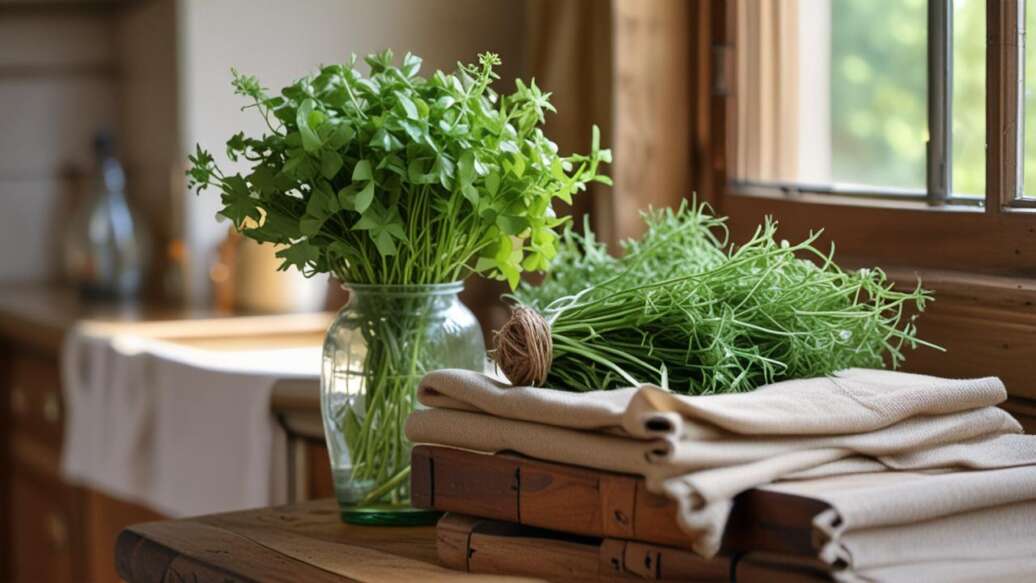
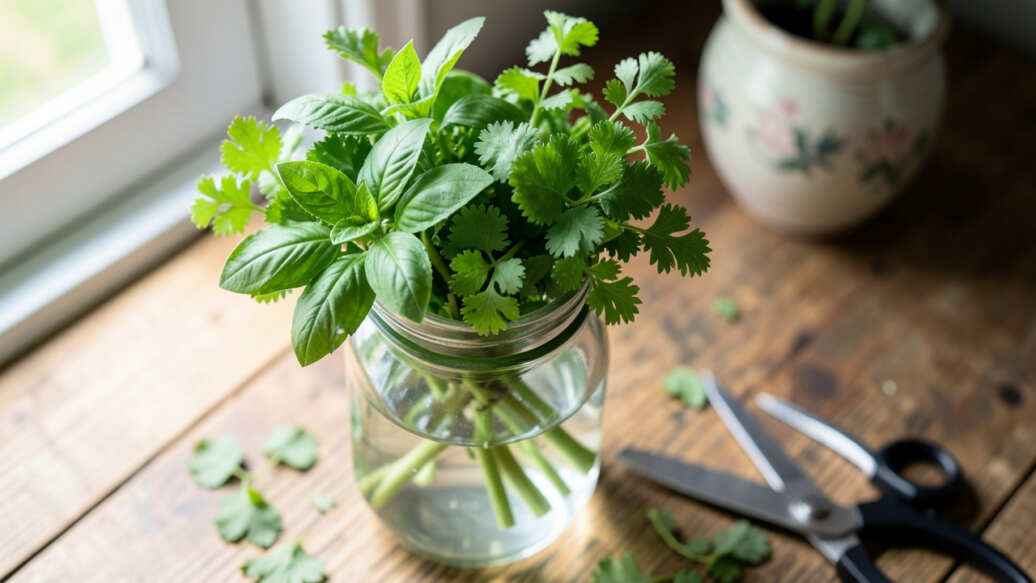
One of the easiest ways to keep many herbs fresh is to treat them like a bouquet of flowers. This method works wonderfully for most tender herbs. It provides them with the hydration they need.
The Bouquet Method for Tender Herbs
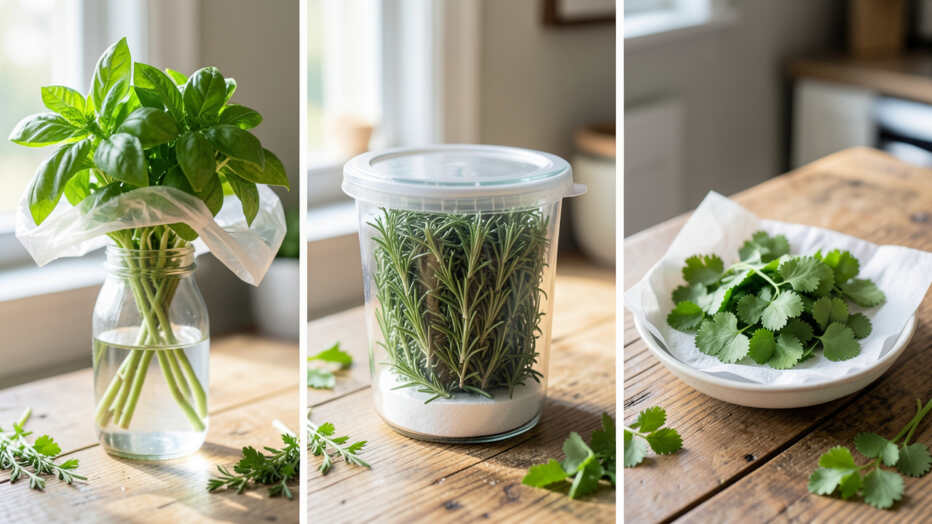
First, trim the very ends of the herb stems. This helps them absorb water better. Then, place the trimmed herbs into a jar or glass with about an inch of fresh water.
Think of it like a small vase.
Next, cover the leafy tops loosely with a plastic bag. You can use a produce bag or even a large zip-top bag. This creates a humid environment.
It prevents the leaves from drying out too quickly.
Then, store the jar in the refrigerator. Change the water every two to three days. This keeps it fresh and prevents bacteria growth.
With this method, you can often keep herbs like parsley and cilantro fresh for one to two weeks. Basil is a bit different, as it prefers room temperature.
Special Case: Basil
Basil is a bit sensitive to cold. Storing it in the fridge can cause the leaves to turn black. For basil, use the same water-in-a-jar method, but keep it on your kitchen counter.
Make sure it’s out of direct sunlight. This will help you keep basil fresh for about a week.
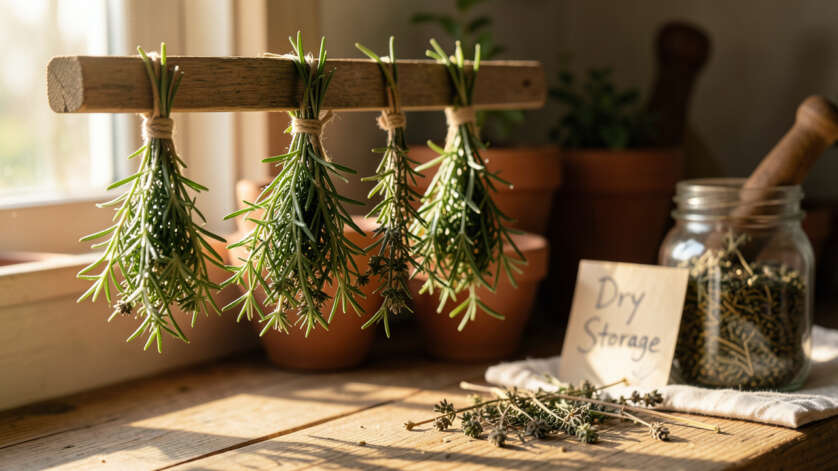
Dry Storage: The Best Approach for Hardy Herbs
Hardy herbs don’t need as much moisture. In fact, too much can cause them to rot. For these herbs, a dry storage method is best.
This helps them stay firm and flavorful for longer.
Wrapping Hardy Herbs for Storage
First, gently wash and thoroughly dry your hardy herbs. Make sure no water is clinging to the leaves. You can pat them dry with paper towels or use a salad spinner.
Next, wrap the dried herbs loosely in a slightly damp paper towel. The towel should be just barely moist, not wet. This provides a touch of humidity without making them soggy.
Then, place the wrapped herbs inside a plastic bag or an airtight container. Seal it well. Store this in the crisper drawer of your refrigerator.
This method can help you keep herbs like rosemary and thyme fresh for two to three weeks.
Beyond Refrigeration: Freezing for Long-Term Freshness
If you have a lot of herbs or want to store them for more than a few weeks, freezing is a fantastic option. Freezing preserves their flavor and color well. It’s a great way to keep herbs fresh for months.
Freezing Herbs in Ice Cube Trays
This is a popular method for a reason. It’s simple and gives you convenient, pre-portioned herb cubes. This is a great technique for How to Keep Herbs Fresh for Weeks and even months.
First, wash and finely chop your herbs. Remove any tough stems.
Next, place the chopped herbs into the compartments of an ice cube tray. Fill each compartment about two-thirds full.
Then, pour a liquid over the herbs. You can use water, olive oil, or melted butter. Olive oil is great for herbs you’ll use in sautés or dressings.
Water works well for herbs you’ll add to soups or stews.
Finally, place the ice cube tray in the freezer. Once the cubes are solid, transfer them to a freezer-safe bag or container. Label and date the bag.
You can keep these frozen herbs for up to 6 months.
Freezing Herbs on a Baking Sheet
This method is good for herbs that you might want to crumble later, like sage or bay leaves.
First, wash and thoroughly dry the herbs.
Next, spread the herbs in a single layer on a baking sheet.
Then, place the baking sheet in the freezer for about an hour, or until the herbs are frozen solid.
Finally, remove the herbs from the baking sheet and break them up if needed. Store them in an airtight container or freezer bag in the freezer. This method helps prevent them from clumping together.
Drying Herbs: A Classic Preservation Method
Drying is another time-tested way to preserve herbs. While it changes the flavor slightly, making it more concentrated, dried herbs can last for a very long time. This is an excellent method for How to Keep Herbs Fresh for Weeks and well beyond.
Air Drying Herbs
This is the simplest method. It works best for hardy herbs.
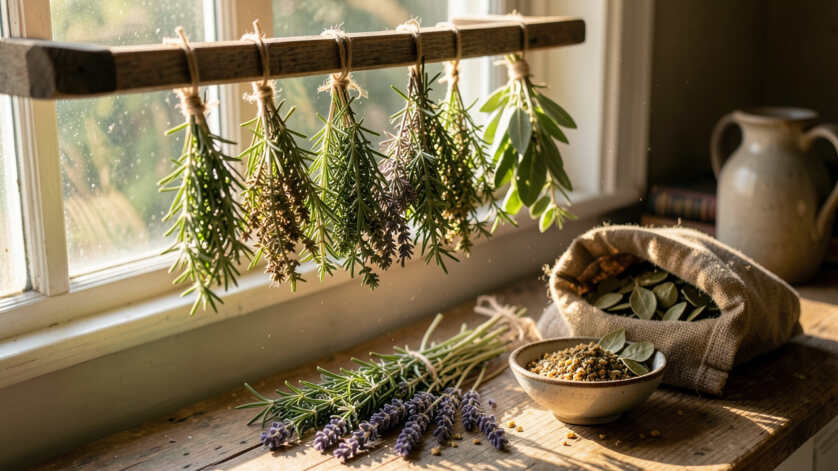
First, gather small bunches of herbs. Tie the stems together with string or a rubber band.
Next, hang the bunches upside down in a warm, dry, and well-ventilated place. Avoid direct sunlight, as it can fade their color and flavor. A pantry or a unused corner of a room works well.
Then, cover the bunches loosely with a paper bag. This catches any falling leaves and protects them from dust. Poke a few holes in the bag for air circulation.
Finally, let them dry for one to three weeks. They are ready when the leaves are brittle and crumble easily. Once dry, strip the leaves from the stems and store them in airtight containers.
Using a Dehydrator or Oven for Drying
For faster drying, you can use a food dehydrator or your oven.
First, wash and dry your herbs. Remove them from their stems.
Next, spread the herbs in a single layer on dehydrator trays or a baking sheet.
Then, if using a dehydrator, set it to a low temperature (around 95-115°F or 35-45°C). If using an oven, set it to the lowest possible temperature (usually around 170°F or 75°C). Prop the oven door open slightly to allow moisture to escape.
Finally, dry the herbs until they are brittle. This can take a few hours. Store them in airtight containers.
Best Practices for Maximum Freshness
Beyond specific storage methods, a few general tips can help you maximize the freshness of your herbs. These simple habits contribute greatly to How to Keep Herbs Fresh for Weeks.
Inspect Before Storing
Before you store any herbs, take a moment to look them over. Remove any yellowed, wilted, or damaged leaves. These can speed up the spoilage of the good parts.
Wash Just Before Use (Usually)
For most storage methods, it’s best to wash herbs right before you use them. Excess moisture on the leaves can encourage mold and rot. If you do wash them for storage, ensure they are completely dry.
Use Airtight Containers
Whether you’re refrigerating or storing dried herbs, airtight containers are your best friend. They prevent moisture loss and protect herbs from absorbing odors from other foods. Glass jars, reusable silicone bags, or specialized herb keepers all work well.
Label and Date Everything
This is especially important for frozen or dried herbs. Labeling your containers with the type of herb and the date you stored it helps you keep track of what you have and use older herbs first.
Regular Check-ups
Periodically check your stored herbs. Remove any that are starting to turn. This prevents spoilage from spreading to the rest of your batch.
Comparing Storage Methods
Choosing the right method depends on the herb and how long you need to store it. Here’s a quick comparison to help you decide.
Frequently Asked Questions
How can I tell if my herbs have gone bad?
Bad herbs will often look slimy, wilted beyond recovery, or develop dark spots and mold. They may also have an off-putting smell.
Can I revive wilted herbs?
Sometimes. For tender herbs, a quick soak in ice water for about 15-30 minutes can help perk them up. Hardy herbs are harder to revive once fully wilted.
What’s the best way to keep herbs fresh for cooking right away?
For herbs you plan to use within a few days, simply keeping them in their original packaging or wrapping them loosely in a damp paper towel and refrigerating them is usually sufficient.
Does washing herbs before storing them make them last longer?
Generally, no. Excess moisture can speed up spoilage. It’s usually better to wash them just before you use them, unless you are very careful to dry them completely after washing.
Is it better to freeze herbs in oil or water?
It depends on how you plan to use them. Oil is great for herbs used in sautés, dressings, or pestos. Water is better for herbs going into soups, stews, or sauces where you don’t want added oil.
How do I know when dried herbs are ready?
Dried herbs should be brittle and crumble easily between your fingers. If they are still flexible or feel damp, they need more drying time.
Final Thoughts
Mastering How to Keep Herbs Fresh for Weeks is a simple skill that greatly improves your cooking and reduces waste. By understanding the needs of tender versus hardy herbs and using methods like water storage, dry wrapping, or freezing, you can enjoy vibrant, flavorful herbs for much longer. Start using these tips today to make the most of your fresh herbs.