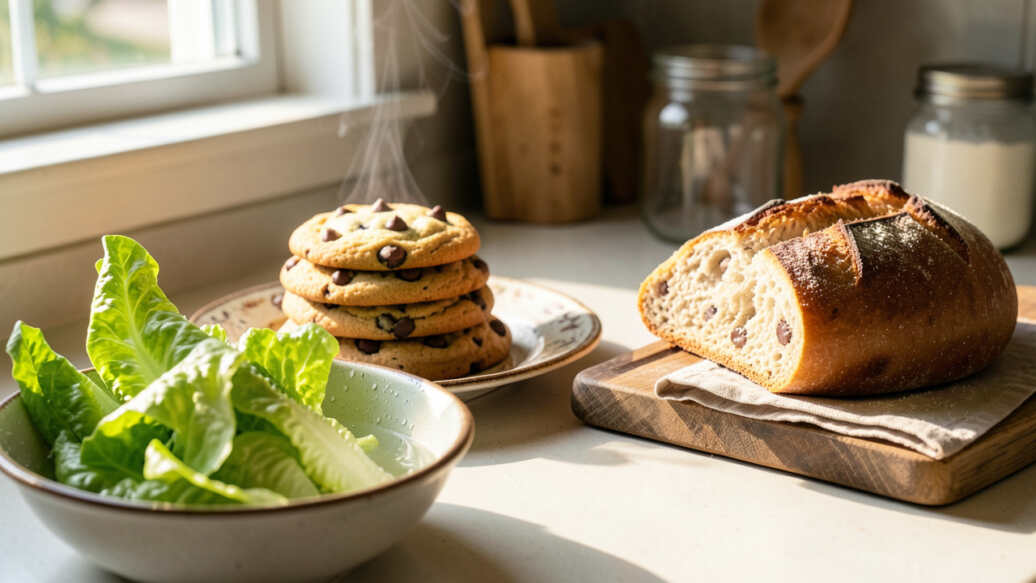
How To Keep Cookies Soft, Bread Fresh, Lettuce Crisp
At a Glance Keeping cookies soft, bread fresh, and lettuce crisp depends on controlling moisture and using proper storage methods. For cookies, an airtight container with a slice of bread adds moistur…
Keeping cookies soft, bread fresh, and lettuce crisp depends on controlling moisture and using proper storage methods. For cookies, an airtight container with a slice of bread adds moisture and keeps them chewy, while bread stays fresh longest at room temperature in a plastic bag, and lettuce requires gentle moisture management to maintain crunch. These simple, science-backed techniques extend freshness, reduce food waste, and preserve the texture of each food without special equipment.
Nobody likes stale cookies or wilted lettuce. Keeping your favorite foods tasting just-made makes a big difference in your kitchen. You want to enjoy that fresh-baked bread or perfectly crisp salad without worrying about spoilage.
Learning how to keep cookies soft, bread fresh, lettuce crisp saves you money and reduces food waste, letting you savor every bite. We’ll share simple tricks to make your baked goods and produce last longer.
Key Takeaways
- Proper storage is key to maintaining the texture and flavor of cookies.
- Simple methods can extend the freshness of your favorite breads.
- Keeping lettuce crisp involves managing moisture effectively.
- Understanding the science behind spoilage helps prevent it.
- Smart storage saves money and reduces food waste.
Making Cookies Stay Soft and Chewy
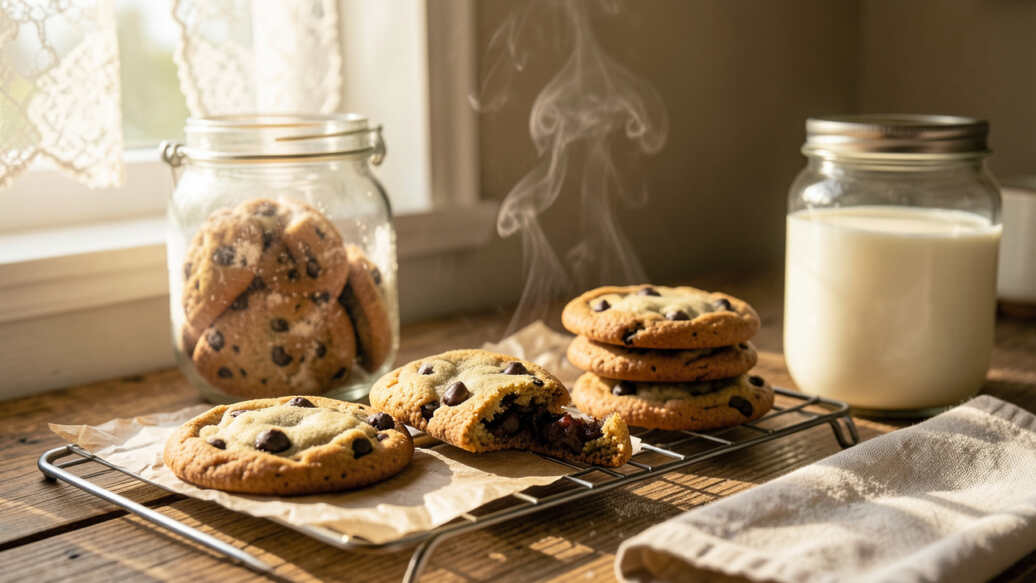
Cookies are best when they’re soft and chewy, not hard and crumbly. The secret to achieving this lies in controlling the moisture. When cookies bake, they lose water.
To keep them soft, you need to trap that moisture or add a little back in.
The Airtight Container Advantage
The most important rule for soft cookies is to store them in an airtight container. This prevents air from drying them out. Plastic containers with snap-on lids or good quality cookie tins work well.
Avoid storing cookies on an open plate or in a paper bag, as these allow moisture to escape easily.
Adding a Slice of Bread
A simple trick to keep cookies soft is to add a slice of bread to the container. The bread will slowly release moisture, which the cookies will absorb. This keeps them wonderfully chewy for days.
Just make sure the bread isn’t too fresh, or it might make the cookies soggy. A day-old slice is perfect.
Grouping Cookies by Type
It’s also helpful to group cookies by how moist they are. Soft, chewy cookies should be stored together. Crispy cookies, like biscotti or shortbread, should be kept separate.
If you mix them, the moisture from the soft cookies can make the crisp ones go soft, and the dry cookies can make the chewy ones hard.
Cooling is Crucial
Always let cookies cool completely before storing them. Storing warm cookies in a sealed container will create steam. This condensation can make them soggy and even lead to mold.
Patience here pays off with better texture.
Freezing for Longer Storage
If you have too many cookies to eat quickly, freezing is a great option. You can freeze baked cookies or cookie dough. For baked cookies, cool them completely, then place them in an airtight container or freezer bag.
They can last for 2-3 months. Frozen dough can be baked straight from the freezer, though you might need to add a minute or two to the baking time.
Keeping Bread Fresh and Delicious
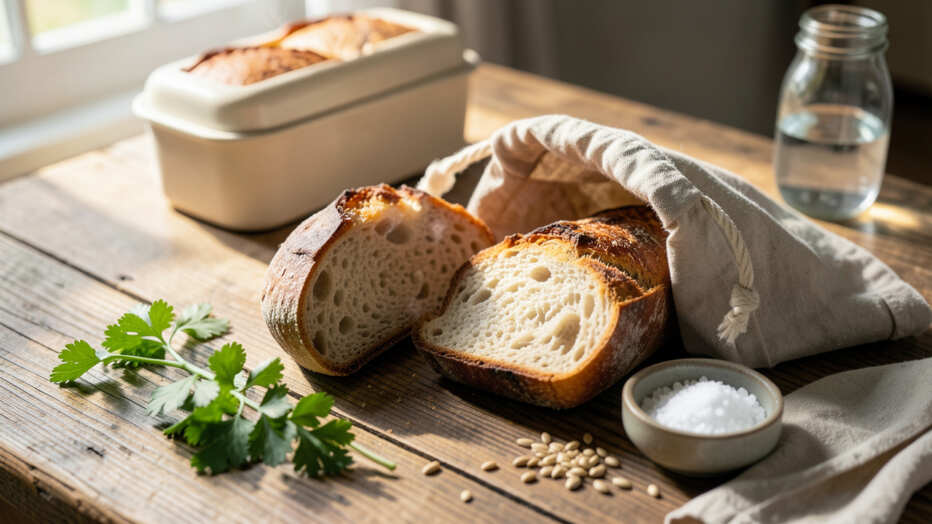
Fresh bread is a kitchen staple, but it can go stale quickly. The main enemy of bread is air, which dries it out. Knowing how to store bread properly can make a big difference in its lifespan and taste.
Room Temperature Storage is Best
For most breads, storing them at room temperature is ideal for the first few days. If you bought a loaf from a bakery, it likely came in a paper bag. You can keep it in that bag for a day or two.
For longer room-temperature storage, a bread box is excellent. It allows a little air circulation without letting the bread dry out too fast.
The Role of Plastic Bags
Plastic bags can keep bread soft, but they can also trap moisture. This can lead to a soggy crust. If you want a soft crust, a plastic bag is fine for a day or two.
However, if you want to preserve a crisp crust, it’s better to use a paper bag or a bread box.
When to Use the Refrigerator (and When Not To)
Many people think refrigerating bread will keep it fresh longer. This is actually a myth, and it can make bread go stale faster. The cold temperature of the refrigerator causes the starch in the bread to crystallize, making it hard and dry.
Only refrigerate bread if you live in a very hot and humid climate where mold is a major concern. If you do refrigerate, be aware it will affect the texture.
Freezing Bread for Long-Term Freshness
Freezing is the best way to keep bread fresh for weeks or even months. Slice the bread first, if you prefer. Wrap the loaf or slices tightly in plastic wrap, then place it in a freezer bag.
This double layer prevents freezer burn. To thaw, let it sit at room temperature for a few hours, or toast slices directly from frozen.
Reviving Stale Bread
If your bread has gone a little stale, don’t throw it away. You can often revive it. For crusty loaves, dampen the crust slightly with water and bake it in a hot oven (around 375°F or 190°C) for 5-10 minutes.
This will re-crisp the crust. For softer breads, a quick zap in the microwave can sometimes help, but use this method sparingly as it can make bread tough if overdone.
Keeping Lettuce Crisp and Fresh
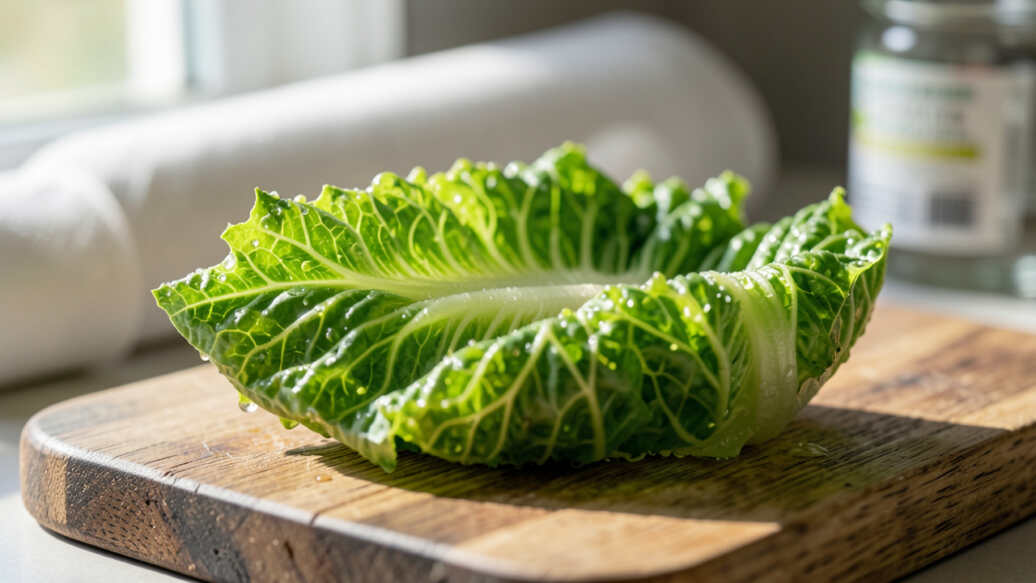
Nobody wants limp, sad lettuce in their salad. Keeping lettuce crisp requires managing its moisture content and protecting it from bruising. The goal is to keep it hydrated but not waterlogged.
The Importance of Washing and Drying
First, always wash lettuce thoroughly. Remove any dirt or grit. Next, drying is absolutely critical.
Use a salad spinner to remove as much water as possible. Excess water encourages rot and makes the leaves mushy. If you don’t have a spinner, gently pat the leaves dry with clean paper towels or a soft cloth.
Proper Storage Containers
Once dry, lettuce needs to be stored correctly. The best way to store lettuce is in a container that allows for some air circulation but also traps a little humidity. A large plastic container works well.
Line the bottom of the container with a paper towel. Place the dried lettuce leaves on top of the paper towel. Add another paper towel on top of the lettuce.
This system absorbs excess moisture while keeping the leaves from drying out completely.
Managing Moisture Levels
The paper towels are key to managing moisture. They wick away condensation that forms. You may need to replace the paper towels every few days if they become damp.
This simple step significantly extends the crispness of your lettuce.
Storing Different Types of Lettuce
Different types of lettuce might need slightly different approaches. Leafy lettuces like romaine or butter lettuce are relatively delicate. Head lettuces like iceberg are more robust.
For iceberg, you can often wrap the whole head in plastic wrap after drying to keep it moist. For loose leaf or romaine, the paper towel method in a container is usually best.
Avoiding Bruising
Be gentle with your lettuce. Bruised leaves will spoil faster and can affect the taste of the whole head. Handle it carefully when washing, drying, and storing.
Using the Crisper Drawer
The crisper drawer in your refrigerator is designed to maintain humidity. This makes it an ideal place to store your prepared lettuce. Ensure the drawer isn’t overstuffed, as this can also cause bruising and poor air circulation.
Understanding Spoilage: Why Food Goes Bad
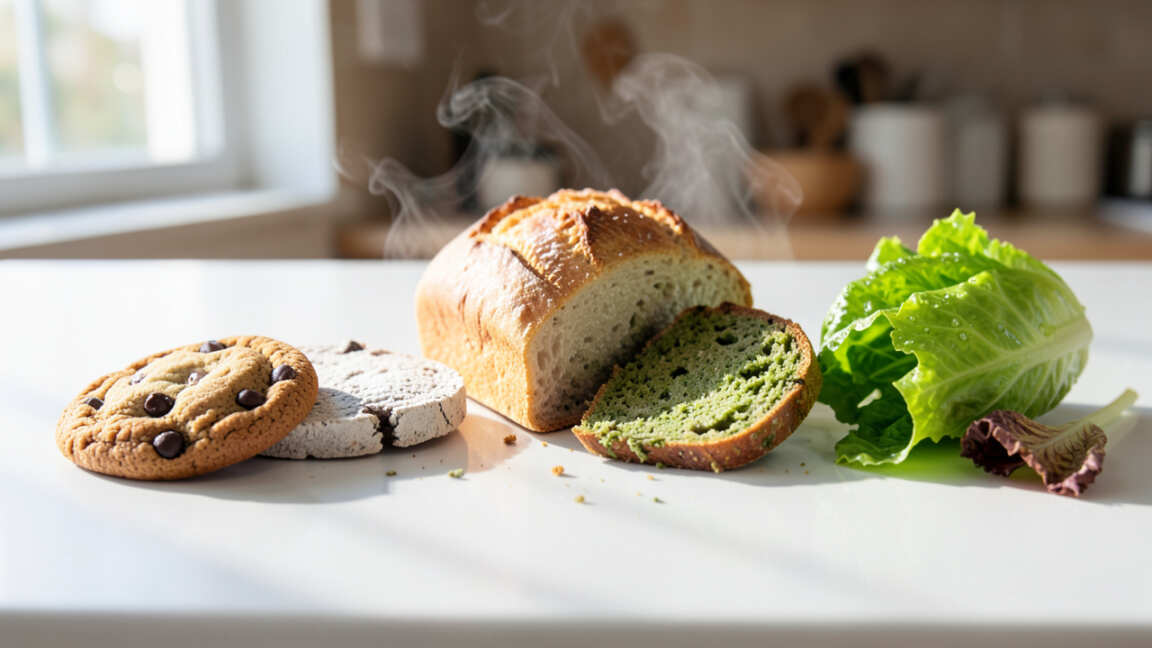
To truly master how to keep cookies soft, bread fresh, lettuce crisp, it helps to understand why food spoils. Several factors contribute to food degradation.
Moisture is a Double-Edged Sword
Too much moisture can encourage mold and bacterial growth, leading to spoilage. This is why drying lettuce is so important. However, too little moisture can cause food to dry out and lose its desirable texture, like cookies going hard or bread getting stale.
Air and Oxidation
Oxygen in the air can cause food to oxidize, leading to changes in color, flavor, and nutritional value. For baked goods, air exposure leads to staleness. For produce, it can cause browning and wilting.
Temperature
Warm temperatures speed up the growth of microorganisms that cause spoilage. Refrigeration slows this process down. However, as we saw with bread, some foods are negatively affected by cold temperatures in ways other than microbial growth.
Enzymes
Food contains natural enzymes that continue to work even after harvesting or baking. These enzymes can break down the food over time, affecting its texture and flavor. Proper storage can slow down the activity of these enzymes.
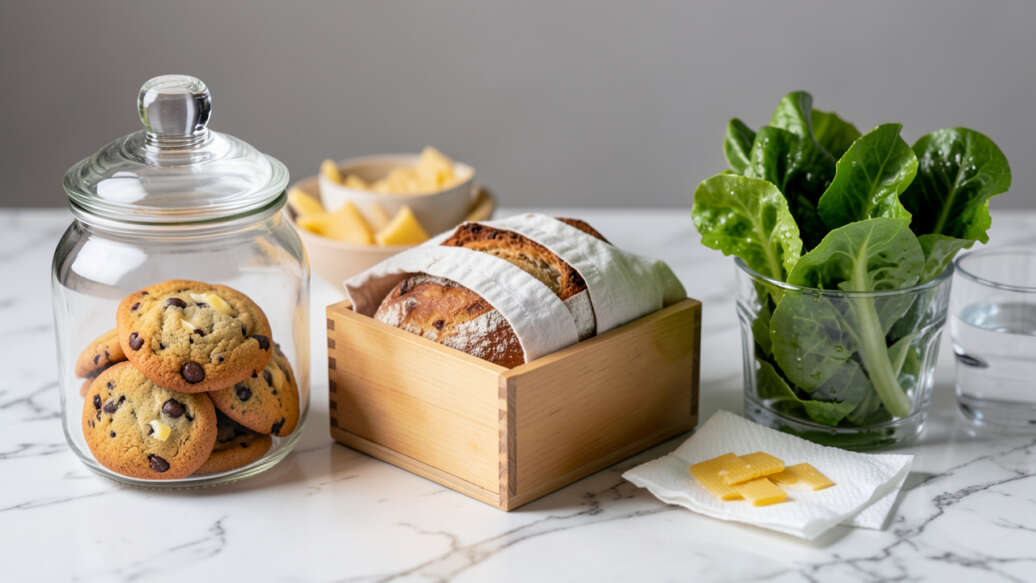
Comparing Storage Methods for Freshness
Different foods benefit from different storage methods. Here’s a quick look at how some common methods stack up for our featured items.
This table highlights that understanding the specific needs of each food is key to successful storage. For instance, what keeps cookies soft might not be ideal for keeping bread crusty.
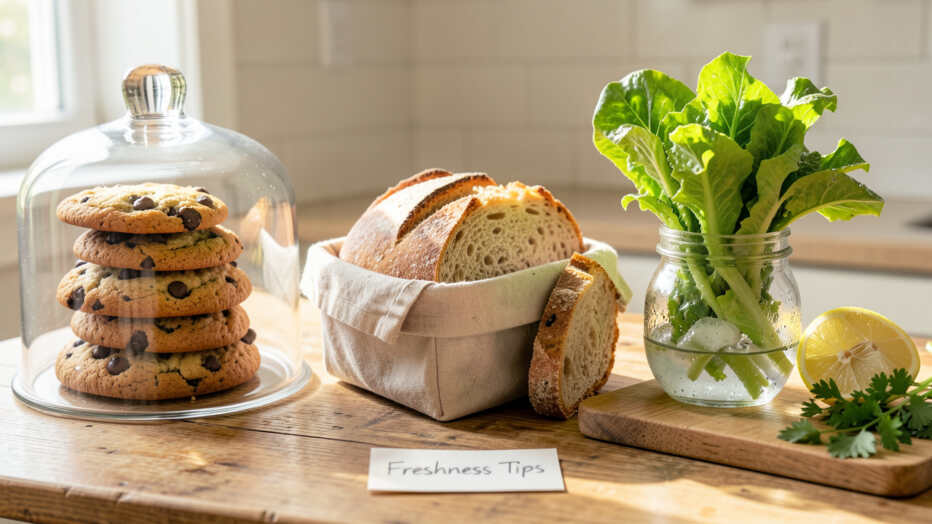
Tips for Extending Food Life in General
The principles behind how to keep cookies soft, bread fresh, lettuce crisp can be applied to many other foods. Applying these strategies broadly can significantly cut down on household food waste.
Understand Your Refrigerator
Get to know your refrigerator’s different zones. The doors are usually warmer, good for condiments. The back of the shelves are colder.
The crisper drawers are designed for fruits and vegetables, often with adjustable humidity controls.
First In, First Out (FIFO)
Practice the “first in, first out” method for your groceries. Use older items before newer ones. This simple habit prevents food from being forgotten in the back of the fridge or pantry and spoiling.
Proper Sealing is Key
Whether it’s an airtight container, a good quality freezer bag, or plastic wrap, ensuring a good seal is crucial. This blocks out air and moisture, the two biggest culprits of spoilage. For baked goods, even a few hours in a poorly sealed container can make a difference.
Frequently Asked Questions
How can I keep my homemade cookies from getting hard?
To keep homemade cookies soft, store them in an airtight container. Adding a slice of bread to the container will help maintain moisture, keeping them chewy.
What is the best way to store bread to maintain its freshness?
For soft bread, store it at room temperature in a bread box or a plastic bag. For a crispy crust, use a paper bag. Avoid the refrigerator, as it makes bread stale faster.
My lettuce always wilts quickly; how can I keep it crisp?
Wash and thoroughly dry your lettuce. Store it in an airtight container lined with paper towels to absorb excess moisture and maintain crispness.
Can I freeze cookies to keep them fresh longer?
Yes, you can freeze baked cookies or cookie dough. Ensure they are cooled completely and stored in airtight containers or freezer bags to prevent freezer burn.
Why does bread go stale so fast, and how does refrigeration affect it?
Bread goes stale because its starches crystallize in dry air. Refrigeration speeds up this process by causing the starches to crystallize more rapidly, making the bread hard and dry.
What is the best method for how to keep cookies soft, bread fresh, lettuce crisp all at once?
Each food has unique needs: airtight containers for soft cookies, bread boxes or bags for bread, and paper towels in containers for crisp lettuce. The common thread is controlling moisture and air exposure.
Final Thoughts
Keeping your favorite foods tasting their best is simple with the right techniques. By using airtight containers for cookies, proper bags or boxes for bread, and managing moisture for lettuce, you can enjoy them longer. These easy storage tips save money and reduce waste.