How To De-Salt An Over-Salted Soup
At a Glance To fix an over-salted soup, you can dilute the salt by adding water or unsalted broth, absorb excess salt with starchy ingredients like potatoes or rice, or balance the flavor with acidity…
To fix an over-salted soup, you can dilute the salt by adding water or unsalted broth, absorb excess salt with starchy ingredients like potatoes or rice, or balance the flavor with acidity from lemon juice or vinegar. The potato method is especially effective: simmering raw potato pieces in the soup pulls in salt, then remove them before serving. These techniques allow you to rescue the soup without starting over, ensuring you don’t waste ingredients or time.
It happens to the best of us: you’re making a delicious soup, and you accidentally add a little too much salt. Suddenly, your tasty meal is almost ruined. But don’t worry, a salty soup isn’t the end of the world!
There are simple, effective tricks you can use to fix it. Learning How to De-Salt an Over-Salted Soup means you can save your meal and avoid wasting ingredients. You’ll gain the confidence to rescue your cooking and enjoy your perfectly seasoned soup.
Key Takeaways
- You can rescue an over-salted soup with common kitchen ingredients.
- Adding more liquid is a primary method to dilute the saltiness.
- Starchy foods can absorb excess salt from the soup.
- Balancing flavors can help mask the overwhelming salt taste.
- Sometimes, the best solution is to start a new, unsalted base.

Why Your Soup Became Too Salty
It’s easy to accidentally make soup too salty. Sometimes, you might use salty broth without realizing it. Other times, you might just add a bit too much salt shaker action.
Even adding salty ingredients like cured meats can sneak up on you. Knowing why it happened helps you avoid it next time.

Easiest Ways to Dilute the Salt
The simplest way to fix a salty soup is to add more liquid. This directly reduces the concentration of salt. You want to thin out the flavor.
Think of it like watering down a strong juice.
Adding Water or Broth
This is the most straightforward method. Add plain water or more of the same unsalted broth you used to make the soup. Start with a small amount, stir well, and taste.
You can always add more if needed.
Be careful not to add too much liquid. This can make your soup watery and weak in flavor. You’re aiming to reduce salt, not destroy the soup’s body.
Adding Unsalted Base Ingredients
If you have extra unsalted vegetables or other base ingredients that fit your soup, add them. This adds more volume and flavor without adding more salt. It’s a great way to bulk up the soup while diluting the salt.
Using Starchy Foods to Absorb Salt
Certain foods are great at soaking up excess salt. They act like little sponges for the salt in your soup. This is a clever trick that often works wonders.
The Potato Method
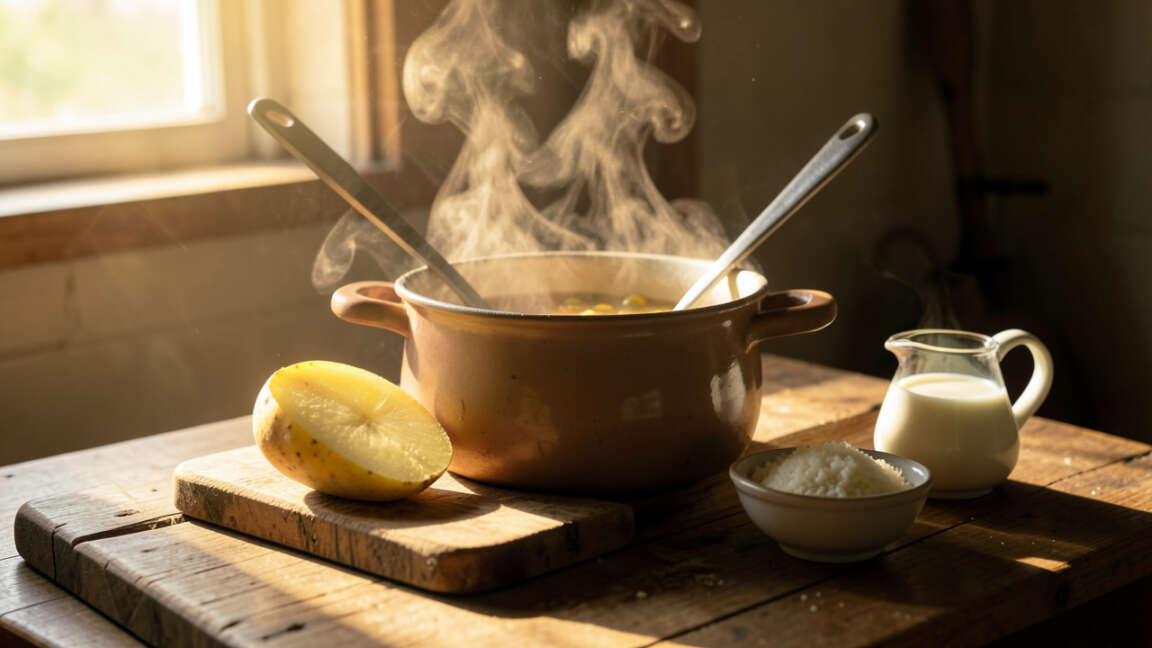
Cut a raw potato into large chunks. Add these chunks to your simmering soup. Let them cook for about 15-20 minutes.
The potato will absorb some of the salt. Remove the potato pieces before serving. You can use more than one potato if your soup is very salty.
Other starchy vegetables like carrots or sweet potatoes can also help. They absorb some salt and add their own flavor. Just remember to remove them after they’ve done their job.
Adding Uncooked Rice or Pasta
Another trick is to add a small amount of uncooked rice or pasta. Put them in a cheesecloth bag or a mesh infuser. This makes them easy to remove later.
Let them simmer until they are almost cooked. They will soak up salt. Remove the bag and discard the rice or pasta.
This method is similar to the potato trick. It uses starch to pull the salt out of the liquid. It’s a good option if you don’t have extra potatoes on hand.

Balancing Flavors to Mask Saltiness
Sometimes, you can’t remove all the salt. In these cases, you can try to balance the flavors. Adding other tastes can make the salt less noticeable.
This is a great way to salvage a soup that’s a bit too salty.
Adding Acidity
A squeeze of lemon juice or a splash of vinegar can cut through the saltiness. Acidity brightens flavors. It can distract your palate from the high salt content.
Try lemon, lime, apple cider vinegar, or even red wine vinegar.
Add the acid slowly and taste as you go. Too much acid can make your soup taste sour. The goal is to balance, not overpower.
Adding Sweetness
A touch of sweetness can also counteract salt. A small amount of sugar, honey, or maple syrup can help. It balances the strong salty taste.
Be very sparing with sweeteners. You don’t want a sweet soup.
Consider adding unsweetened ingredients that have natural sweetness. For example, pureed carrots or sweet potatoes can add sweetness and body. This is a more natural way to balance the flavors.
Adding Fat
Fat can also help to mellow out harsh flavors, including salt. A swirl of cream, a dollop of sour cream or yogurt, or a drizzle of olive oil can make a difference. Fat coats the tongue and can make the salt taste less intense.
This works especially well in creamy soups. It adds richness and helps to smooth out the overall flavor profile. It’s a delicious way to solve a salty soup problem.

Incorporating More Ingredients
Adding more of the other ingredients in your soup can also help. This is a more involved way to fix a salty soup, but it often works well.
Adding More Unsalted Base Ingredients
If your soup is a vegetable soup, add more unsalted vegetables like carrots, celery, or onions. For a meat soup, add more unsalted meat. This increases the volume of the soup.
It also dilutes the salt concentration. You’ll be making a larger batch of soup, but it will be perfectly seasoned.
Making a New Batch of Base
Sometimes, the soup is just too far gone. If you’ve tried several methods and it’s still too salty, you might need to start over with a fresh base. Cook a new batch of unsalted broth or water with your base aromatics (like onions and garlic).
Then, combine this new, unsalted base with your original salty soup.
This method effectively halves the saltiness. You can then adjust seasoning from there. It’s a bit more work, but it ensures a delicious final product.
This is a great way to tackle How to De-Salt an Over-Salted Soup when other methods fail.
When to Start Over
There are times when fixing a salty soup is just not feasible. If you’ve added a huge amount of salt, or if your soup has a very delicate flavor profile, it might be best to start fresh. Don’t be afraid to admit defeat and make a new pot.
It’s better than serving a soup that nobody enjoys.
Preventing Salty Soup in the Future
The best way to deal with salty soup is to avoid making it in the first place. A few simple habits can save you a lot of trouble.
Taste As You Go
This is the golden rule of cooking. Taste your soup at every stage, especially after adding salt. You can always add more salt, but you can’t easily take it away.
Be Mindful of Salty Ingredients
Pay attention to the salt content of your ingredients. Canned goods, broths, cured meats, and soy sauce can be very salty. Taste these items before adding them.
Adjust the amount of added salt accordingly.
Use Kosher Salt or Sea Salt
These salts are less dense than table salt. This means you use less to get the same level of saltiness. It’s easier to control the amount of salt you add.
Measure Your Salt
Instead of just shaking salt from the container, measure it out. Use measuring spoons for accuracy. This helps you keep track of how much salt you’re adding.
Comparison: Methods for De-Salting Soup
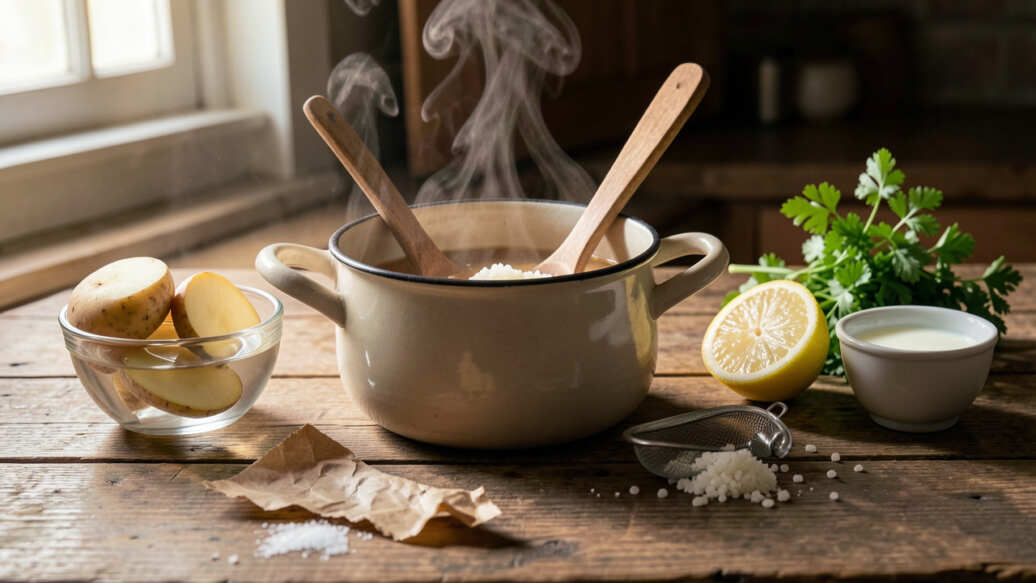
Different methods work best depending on the soup and how salty it is. Here’s a quick look at some common techniques.
Frequently Asked Questions
What is the fastest way to de-salt soup?
The quickest method is usually adding more unsalted liquid like water or broth. You can also try adding a raw potato chunk to absorb salt quickly.
Can I remove salt from soup without adding more ingredients?
It’s very difficult to remove salt without adding something else. Methods like adding a potato or rice work by absorption. You can try to balance the flavor with acid or sweetness, but that doesn’t remove the salt.
How much potato should I use to de-salt soup?
For a moderately salty pot of soup, one medium-sized potato cut into large chunks is usually enough. If the soup is very salty, you might need two or more.
Will adding cream make my soup less salty?
Yes, adding cream or other fats can help. Fat coats your tongue and can make the salt taste less intense. It also adds richness, which can balance flavors.
How do I know if I’ve fixed my salty soup?
Taste it! After trying a de-salting method, let the soup simmer for a few minutes. Then taste it carefully.
It should taste balanced, not overwhelmingly salty.
Is it possible to completely remove all the salt from an over-salted soup?
It’s very hard to remove every single grain of salt. The goal is to reduce the saltiness to a pleasant level. Most methods aim to dilute or mask the salt.
Final Thoughts
Don’t let a salty soup ruin your day. With simple techniques like adding more liquid, using starchy ingredients, or balancing flavors, you can easily fix an over-salted meal. Remember to taste as you go to prevent this problem in the future.
You’ve got this!