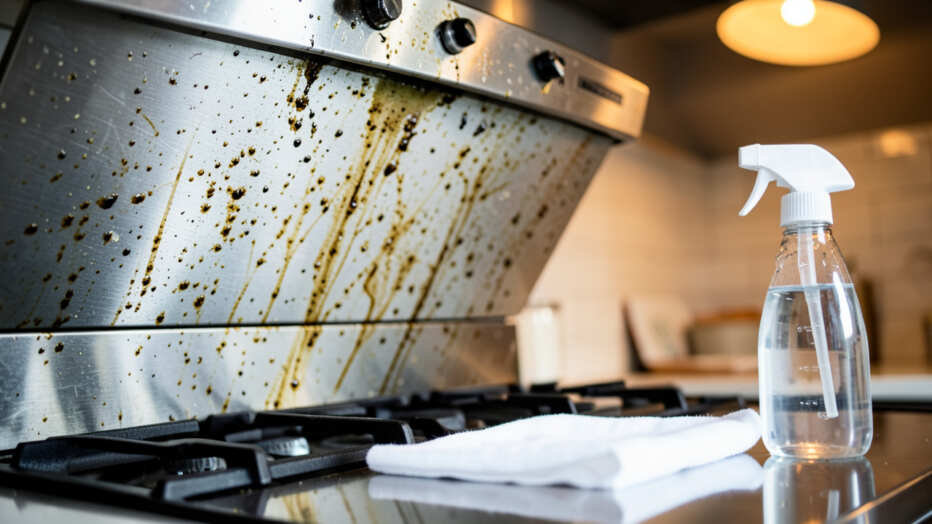
How To Clean A Grease-Splattered Range Hood
At a Glance Cleaning a grease-splattered range hood requires removing the filters and soaking them in hot, soapy water or a degreasing solution while wiping the exterior with a cleaner appropriate for…
Cleaning a grease-splattered range hood requires removing the filters and soaking them in hot, soapy water or a degreasing solution while wiping the exterior with a cleaner appropriate for its material, such as vinegar and water for stainless steel. The fan and light cover should also be wiped down to prevent grease accumulation that reduces efficiency. Regular cleaning every one to three months prevents heavy buildup, keeps the hood operating effectively, and improves kitchen hygiene.
Grease buildup on your kitchen range hood can make your cooking space look messy and even affect air quality. Knowing How to Clean a Grease-Splattered Range Hood is a simple skill that brings a fresh look and feel to your kitchen. A clean hood not only looks better but also works more efficiently, helping to keep your air clearer and your kitchen healthier.
Get ready to transform your cooking area with easy steps that make a big difference.
Key Takeaways
- Understand the importance of regular range hood cleaning for kitchen hygiene.
- Learn effective methods for cleaning different parts of your range hood, including filters.
- Discover safe and natural cleaning solutions for tough grease.
- Find out how often you should clean your range hood to maintain its performance.
- Get tips on preventing future grease buildup.
Why a Sparkling Range Hood Matters
Your range hood does a lot more than just look good. It’s your kitchen’s air filter, working hard to suck up smoke, steam, and grease particles from your cooking. Over time, these particles stick to the hood’s surfaces, creating a sticky, grimy layer.
This buildup isn’t just unsightly; it can become a fire hazard if enough grease accumulates near the heating elements. Regular cleaning ensures your hood functions at its best, improving your kitchen’s air quality and keeping your cooking environment safe and pleasant.
Addressing the question of How to Clean a Grease-Splattered Range Hood isn’t just about aesthetics. It’s about maintaining a healthy home. When grease and grime build up, they can harbor bacteria.
A clean range hood means a cleaner kitchen overall. You’ll enjoy cooking more when your appliances look and function properly. Plus, a well-maintained range hood can even extend the life of your appliance.
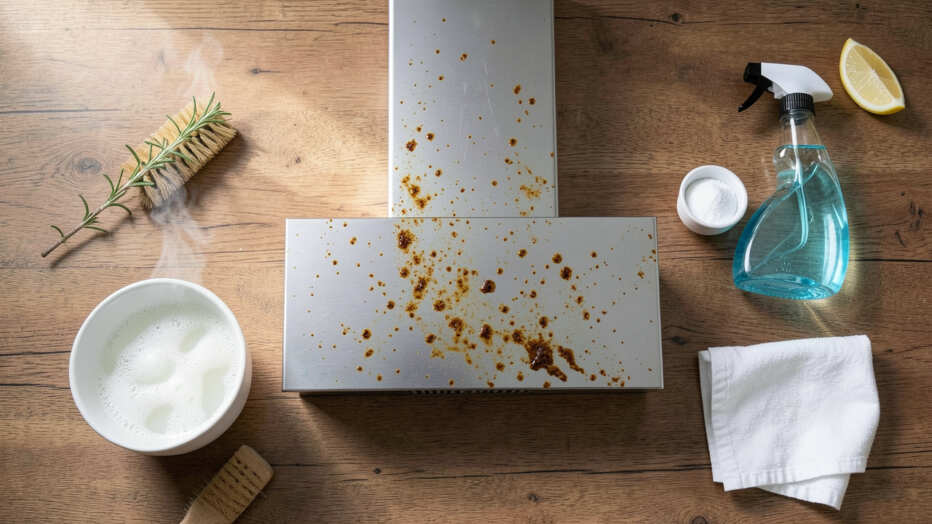
Gathering Your Cleaning Supplies
Before you start tackling that greasy range hood, make sure you have the right tools. Having everything ready means you can get the job done efficiently. You don’t need fancy or expensive products to get great results.
Here’s a list of common items that will help you with How to Clean a Grease-Splattered Range Hood:
- Dish soap: A good grease-cutting dish soap is your best friend.
- Warm water: This helps to loosen and dissolve grease.
- Baking soda: A natural abrasive and deodorizer that’s great for scrubbing.
- White vinegar: Another natural cleaner that cuts through grease.
- Spray bottle: Useful for applying cleaning solutions evenly.
- Soft cloths or sponges: For wiping and scrubbing without scratching.
- Old toothbrush: Perfect for reaching tight corners and crevices.
- Gloves: To protect your hands from grease and cleaning solutions.
- Screwdriver (if needed): For removing filters or certain parts.
Cleaning the Range Hood Filters
The filters are usually the dirtiest part of your range hood. They trap most of the grease, so they need special attention. Most range hood filters are removable, which makes cleaning much easier.
First, carefully remove the filters from your range hood. Check your hood’s manual if you’re unsure how to do this. Be gentle to avoid bending or damaging them.
Next, prepare a cleaning solution. A common and effective method for cleaning range hood filters involves hot water and dish soap. Fill your sink or a large basin with hot water and add a generous amount of grease-cutting dish soap.
Submerge the filters and let them soak for at least 15-30 minutes. This soaking time helps to break down the accumulated grease.
After soaking, use a soft brush or sponge to scrub away any remaining residue. For stubborn spots, a paste made of baking soda and water can be very effective. Apply the paste, let it sit for a few minutes, then scrub gently.
Rinse the filters thoroughly with clean water to remove all soap and debris.
Finally, allow the filters to dry completely before putting them back. You can air dry them or gently pat them with a clean towel. Ensure they are bone dry to prevent any mildew or moisture issues.
For metal filters, some people find success by placing them in a dishwasher. However, always check your manufacturer’s recommendations first, as high heat can sometimes damage certain filter materials or coatings.
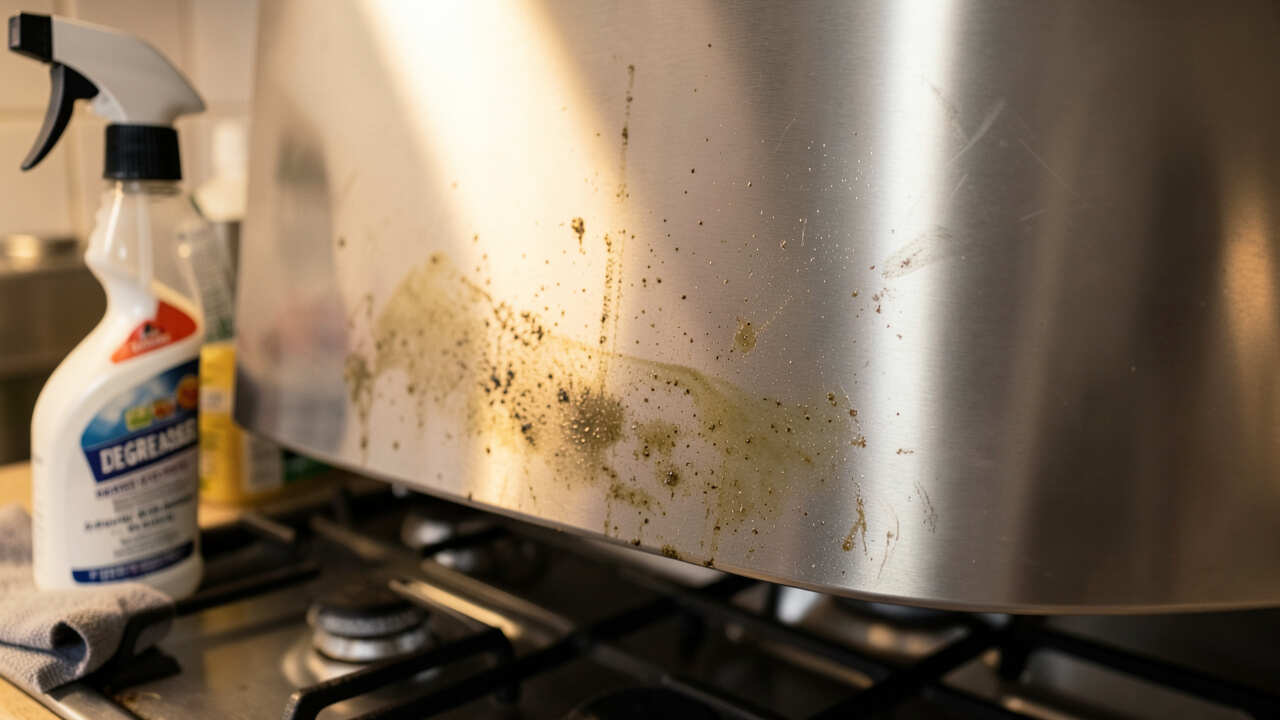
Cleaning the Range Hood Exterior
Once the filters are handled, it’s time to tackle the exterior of the range hood. This is the part you see most often, so making it shine makes a big difference in your kitchen’s appearance.
You can use a variety of cleaning solutions for the exterior, depending on the material of your hood.
For Stainless Steel Range Hoods
Stainless steel is a popular choice for range hoods. To clean it effectively and avoid scratches, use a soft cloth and a gentle cleaning solution. A mixture of warm water and a few drops of dish soap is often enough for light grease.
For tougher grease spots on stainless steel, a solution of equal parts white vinegar and water in a spray bottle works well. Spray the solution onto the hood, let it sit for a minute, then wipe it down with a soft cloth. Always wipe in the direction of the grain of the stainless steel to prevent streaks and scratches.
Another effective method for How to Clean a Grease-Splattered Range Hood made of stainless steel is to use a baking soda paste. Mix baking soda with a little water to form a paste, apply it to the greasy areas, and gently scrub with a soft cloth. Rinse well with a damp cloth and dry with a separate clean, dry cloth.
For Painted or Enamel Range Hoods
Painted or enamel surfaces can be cleaned similarly to stainless steel, but be extra careful not to use abrasive cleaners or scrubbers that could scratch the finish. Warm water with a mild dish soap is usually the safest bet.
If you encounter stubborn grease, a solution of warm water and a bit of ammonia can be effective. However, use ammonia in a well-ventilated area and wear gloves. Rinse the surface thoroughly with a damp cloth and dry it immediately.
Cleaning the Fan and Light Cover
Don’t forget the fan cover and any light covers. These areas can also accumulate grease. For most fan covers, you can wipe them down with the same solution you use for the exterior.
If they are removable, you might be able to wash them gently in warm, soapy water.
For light covers, a damp cloth is usually sufficient. If there’s any grease buildup, use a mild cleaner and ensure the area is completely dry before turning the lights back on.
Tackling Stubborn Grease Buildup
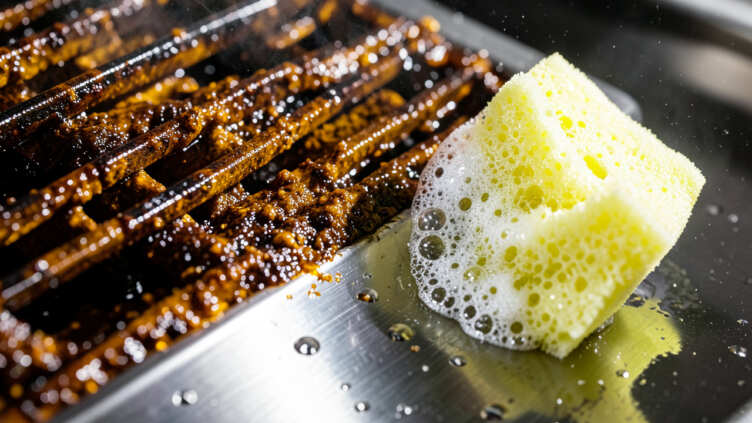
Sometimes, the grease on your range hood can be really tough. It might have been there for a while and hardened. Don’t worry, there are ways to deal with it.
One of the most effective natural remedies for heavy grease is a baking soda paste. Mix baking soda with just enough water to create a thick paste. Apply this paste directly onto the greasy areas of your range hood.
Let it sit for about 15-20 minutes. The baking soda will help to lift and break down the grease.
Next, use a damp sponge or cloth to gently scrub away the paste and the loosened grease. You might need to use a bit of elbow grease here. For very stubborn spots, an old toothbrush can be helpful in getting into crevices.
Rinse the area thoroughly with a clean, damp cloth to remove all traces of the baking soda paste. Then, dry the hood completely with a soft, dry cloth. This method is great for How to Clean a Grease-Splattered Range Hood because it’s effective and uses common household items.
Another powerful degreaser is a solution of hot water and white vinegar. Mix equal parts hot water and white vinegar in a spray bottle. Spray the solution generously over the greasy areas and let it sit for a few minutes.
The acidity in the vinegar helps to cut through the grease.
Wipe down the area with a clean cloth. You may need to repeat this process for very heavy buildup. Always rinse with a damp cloth afterward to remove the vinegar smell, and then dry the surface.
Preventing Future Grease Buildup
The best way to deal with a greasy range hood is to prevent it from getting too bad in the first place. A little bit of regular maintenance goes a long way.
First, try to clean your range hood more often. A quick wipe-down after cooking can make a huge difference. If you notice any splatters or light grease, wipe them away with a damp cloth and a little dish soap while they are still fresh.
It’s much easier to clean light grease than hardened, old grease.
Second, make sure your range hood is turned on every time you cook, especially when frying or cooking with high heat. This is what it’s designed for. Using the hood properly helps to capture grease particles before they settle on the hood and surrounding surfaces.
Third, clean your filters regularly. Depending on how often you cook and what you cook, you might need to clean your filters every 1-3 months. Clean filters work better and help to reduce the amount of grease that gets into the hood itself.
Using splatter guards when cooking can also help reduce the amount of grease that escapes into the air. These guards catch oil and food particles, keeping them from reaching your range hood.
When you do a deep clean, remember the steps for How to Clean a Grease-Splattered Range Hood. By following these preventive measures, you’ll spend less time scrubbing tough grease and more time enjoying your kitchen.
How Often Should You Clean Your Range Hood?
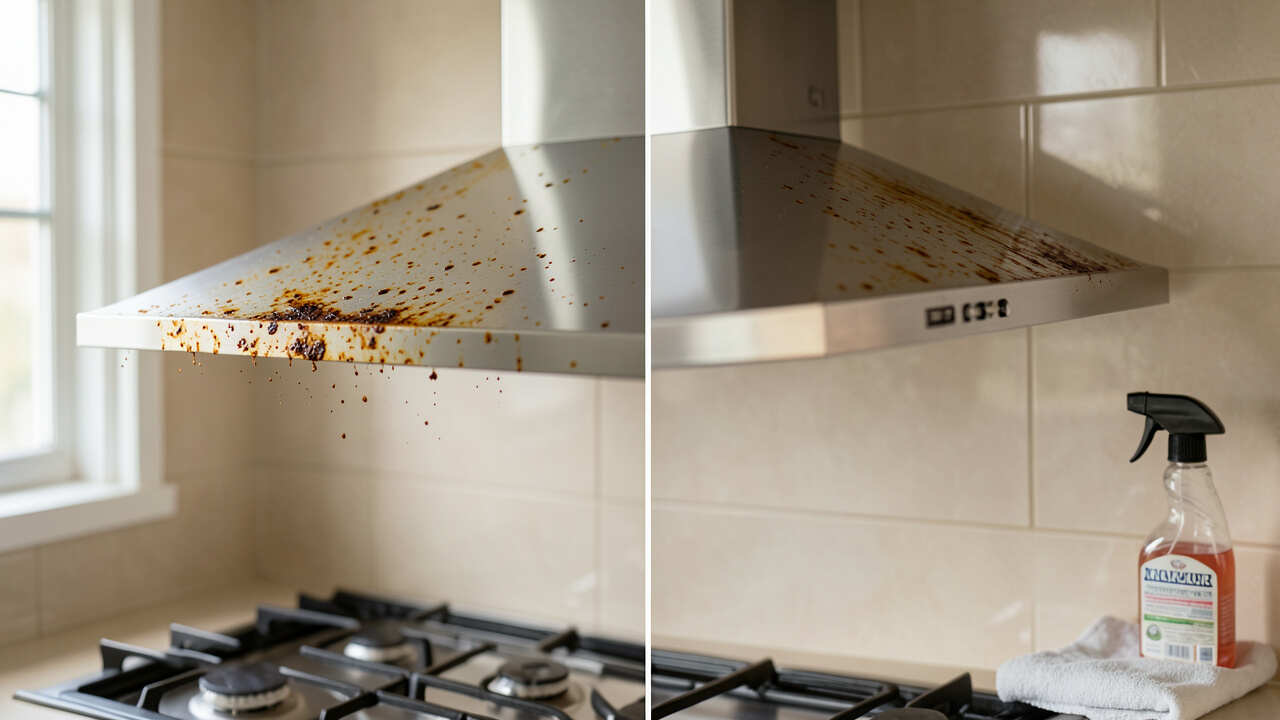
The frequency of cleaning your range hood depends on how much you cook and the types of food you prepare. However, there are general guidelines to follow to keep it in good condition.
For the filters, aim to clean them at least once a month. If you do a lot of frying or cooking with a lot of grease, you might need to clean them more often, perhaps every two weeks. This is crucial for maintaining airflow and preventing fire hazards.
The exterior of the range hood can be wiped down weekly. A quick wipe with a damp cloth after cooking can prevent grease from building up. For a more thorough cleaning of the exterior and interior, aim for every 2-3 months.
This ensures that all the hidden grease is removed and your hood is functioning optimally.
Knowing How to Clean a Grease-Splattered Range Hood effectively means you can tackle it whenever needed. Consistent cleaning will make the task easier each time and keep your kitchen looking its best.
Understanding Different Range Hood Materials
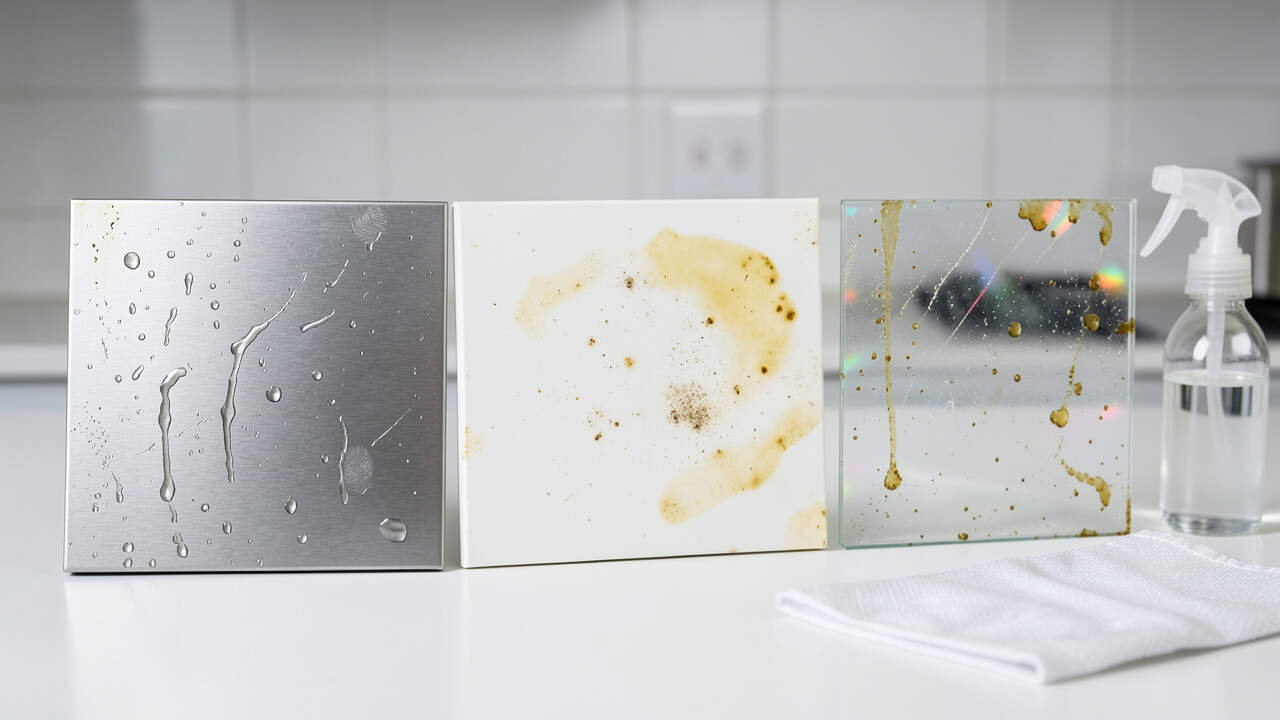
Range hoods come in various materials, and each might require a slightly different approach to cleaning. Knowing the material of your hood helps you choose the best cleaning method to avoid damage.
When in doubt about your range hood material, always consult the manufacturer’s guide. Proper care ensures your range hood stays looking good and working well for years to come.
Frequently Asked Questions
What is the best way to clean greasy range hood filters?
The most effective method for cleaning greasy range hood filters is to soak them in hot, soapy water for 15-30 minutes, then scrub with a soft brush. Rinse thoroughly and let them dry completely.
Can I use oven cleaner on my range hood?
It’s generally not recommended to use oven cleaner on most range hood surfaces, especially stainless steel or painted finishes, as it can be too harsh and cause damage or discoloration. Always check your manufacturer’s instructions.
How do I get rid of stubborn grease spots on my stainless steel range hood?
For stubborn grease spots on stainless steel, try a paste of baking soda and water or a solution of equal parts white vinegar and water. Apply, let sit, then gently scrub and rinse.
How often should I clean my range hood filters to ensure good performance?
You should clean your range hood filters at least once a month. If you cook with a lot of grease, clean them every two weeks to maintain optimal airflow and efficiency.
Is it safe to clean a range hood with baking soda and vinegar?
Yes, baking soda and vinegar are safe and effective natural cleaners for grease on range hoods. Use them as a paste for scrubbing or a diluted spray for general cleaning. Always rinse well.
What are the signs that my range hood needs cleaning?
Signs your range hood needs cleaning include visible grease buildup, a greasy film on surfaces, reduced suction power, or an oily smell when cooking.
Final Thoughts
Keeping your range hood clean is simple with the right approach. Regular cleaning of filters and exterior surfaces prevents tough buildup, improves air quality, and keeps your kitchen looking its best. Follow these steps to enjoy a fresh, grease-free cooking environment.