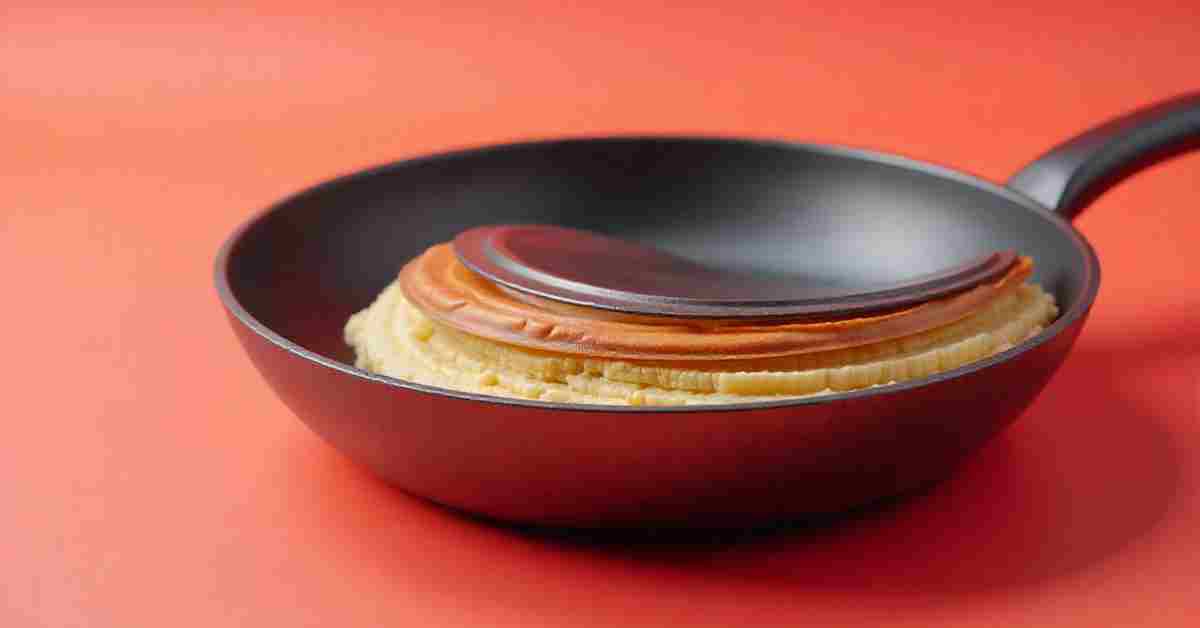
How Nonstick Cookware Works?
Nonstick cookware works by using a specially coated surface, commonly made with PTFE or ceramic, that creates very low friction so food does not bond…
Read Review →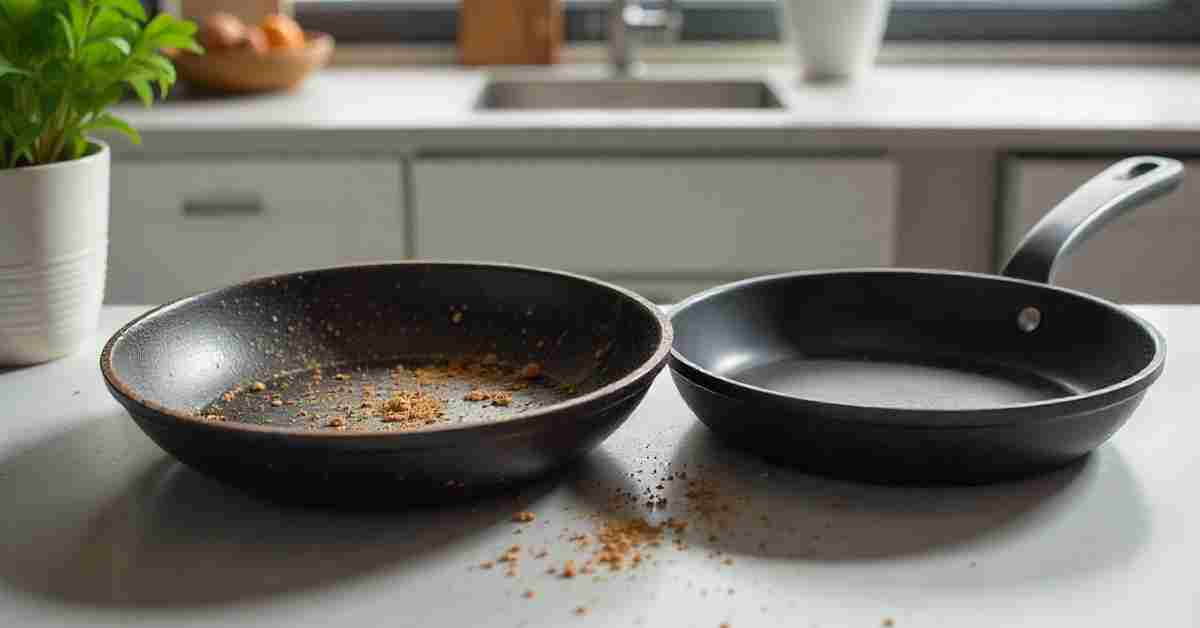
When to Replace Nonstick Pans?
You should replace nonstick pans when the coating is visibly peeling, flaking, bubbling, or deeply scratched, as this means the nonstick layer is brea…
Read Review →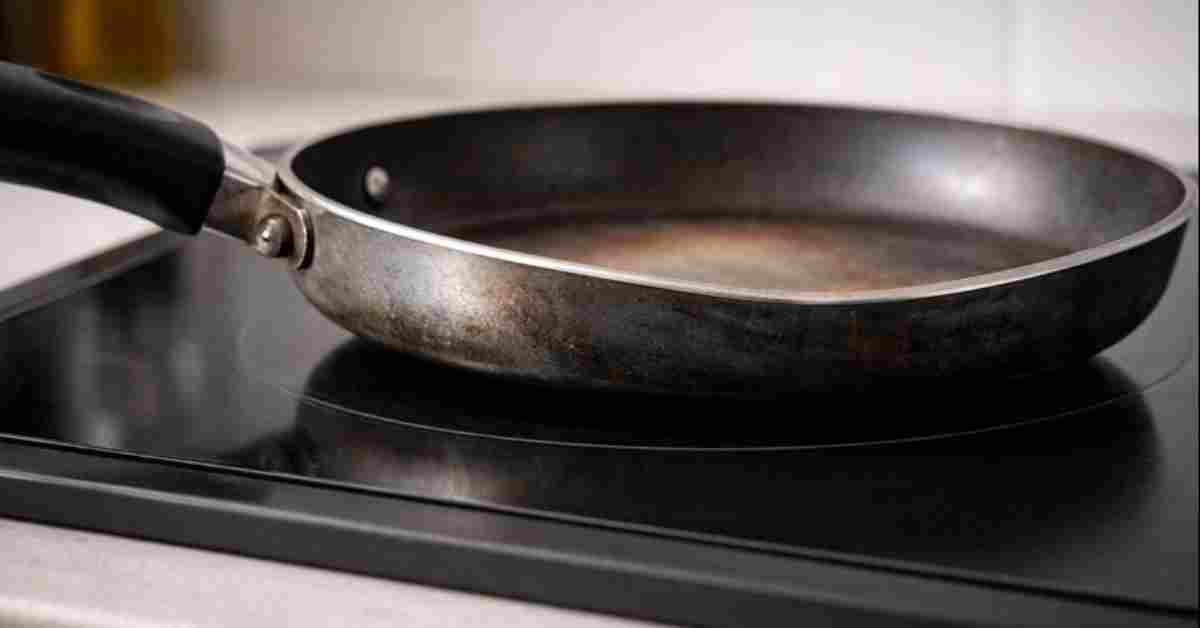
What Causes Cookware To Warp Over Time?
Cookware warps over time mainly due to repeated exposure to high heat, which causes uneven expansion of the metal. Rapid temperature changes, such as…
Read Review →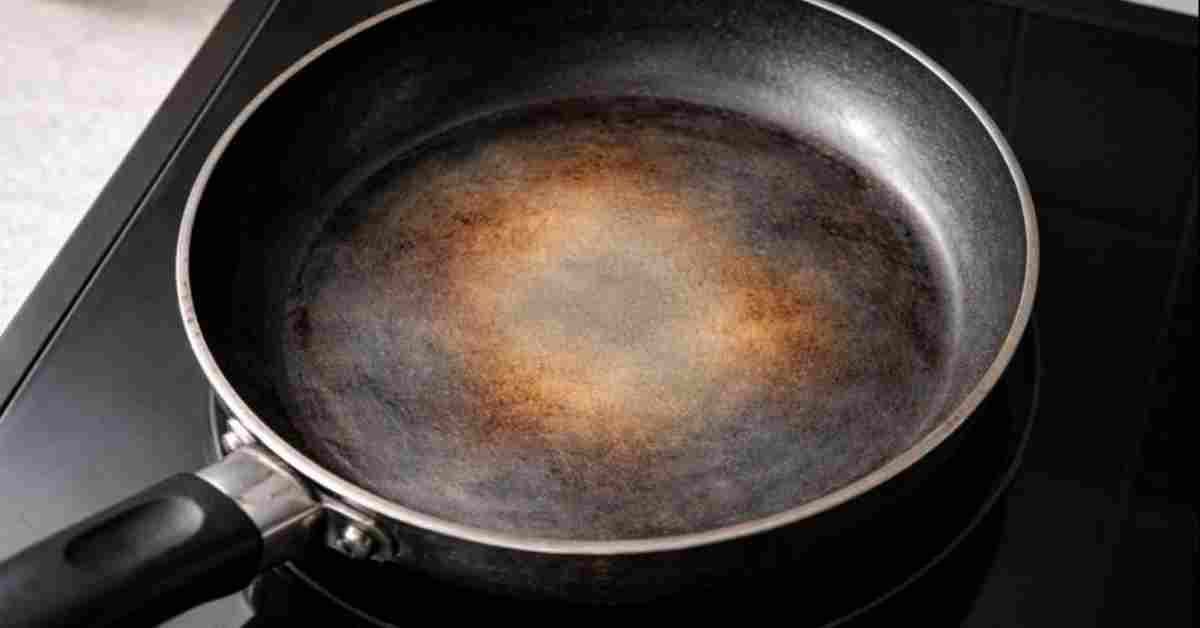
Why Pans Lose Heat Evenly After Long Use?
Pans lose their ability to heat evenly over long use because repeated high heat causes warping and weakens the internal metal layers. Wear, overheatin…
Read Review →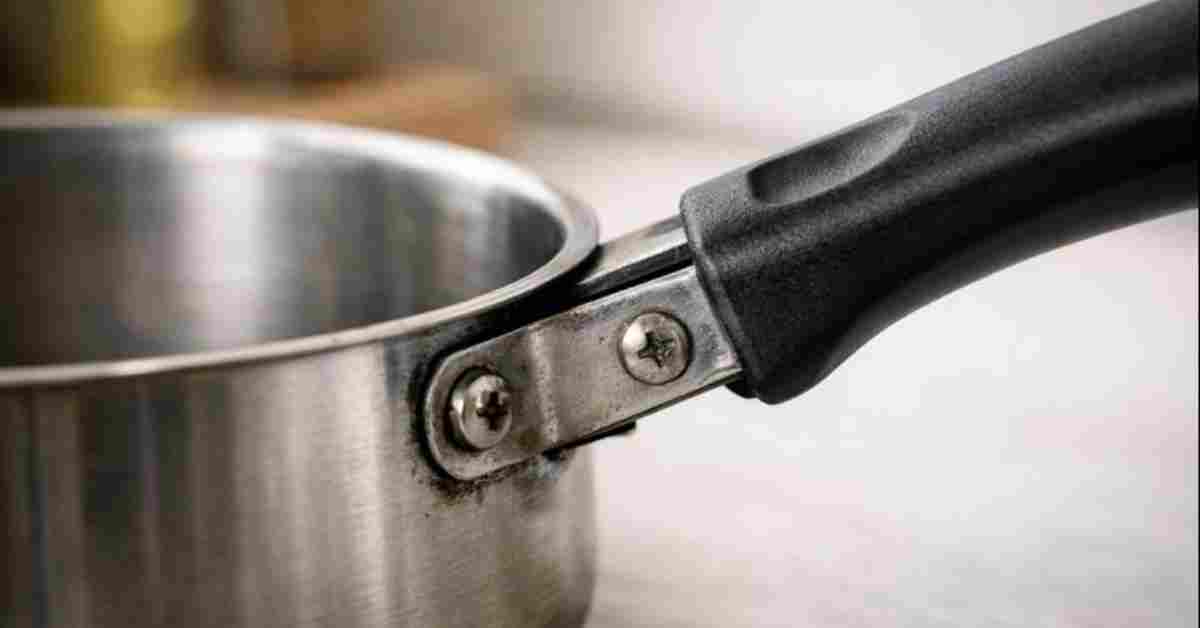
Why Cookware Handles Become Loose?
Cookware handles become loose mainly due to repeated heating and cooling, which causes metal expansion and contraction around screws or rivets. Over t…
Read Review →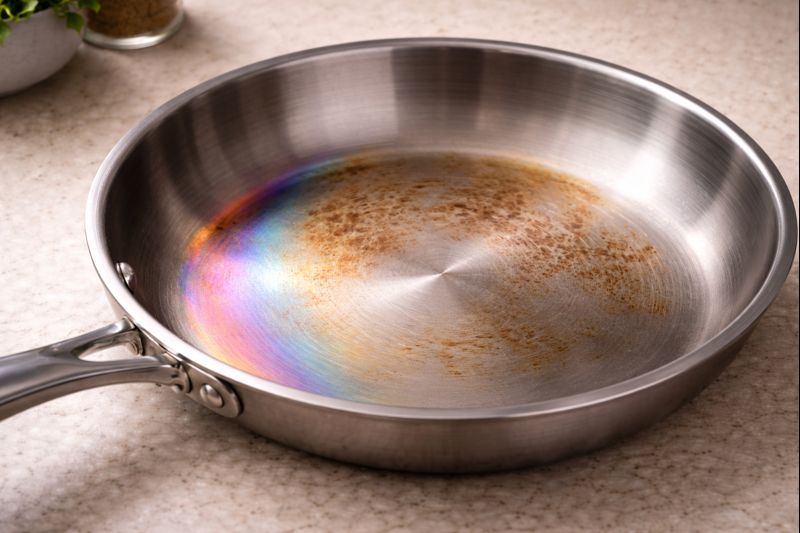
What Causes Discoloration On Stainless Steel Pans?
Discoloration on stainless steel pans is caused by overheating, which creates heat-tint colours, and by mineral deposits left behind from water or foo…
Read Review →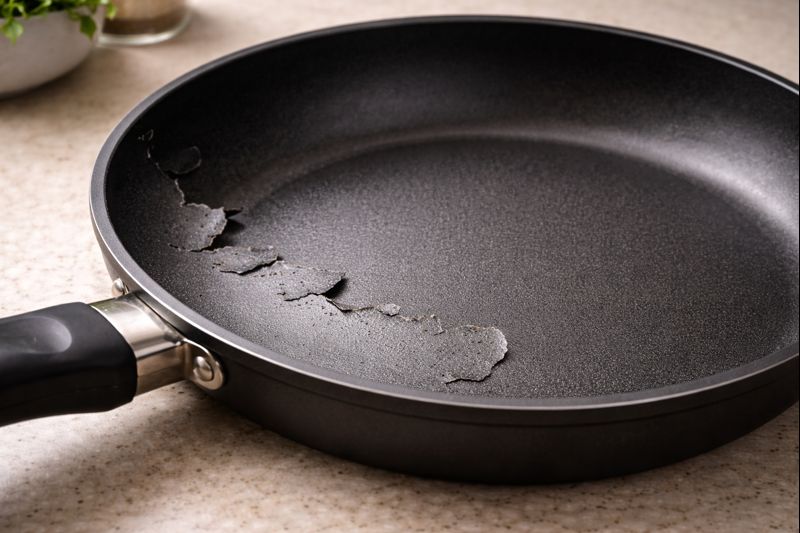
Why Nonstick Coatings Peel Without Visible Scratches?
Nonstick coatings can peel without visible scratches because repeated overheating breaks down the chemical bonds between the coating and the metal ben…
Read Review →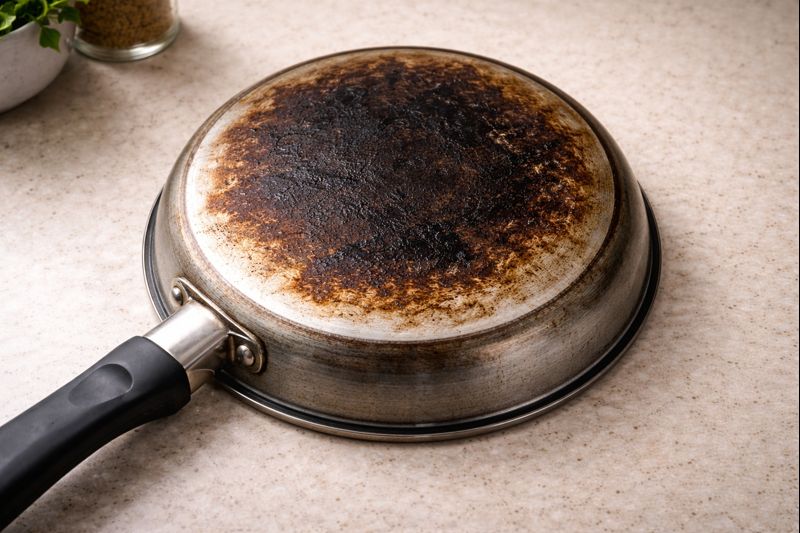
Why Cookware Develops Burn Marks On The Bottom?
Cookware develops burn marks on the bottom when spilled food, oil, or sugars carbonise on the hot surface, or when pans are repeatedly overheated beyo…
Read Review →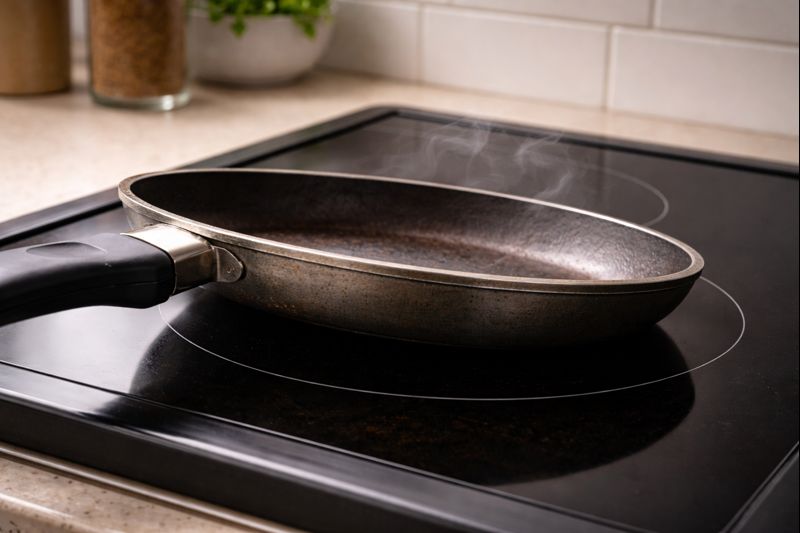
What Makes Pans Rattle Or Rock On Stoves?
Pans rattle or rock on stoves because their bases are warped, uneven, or not fully flat, often caused by overheating or rapid temperature changes. Thi…
Read Review →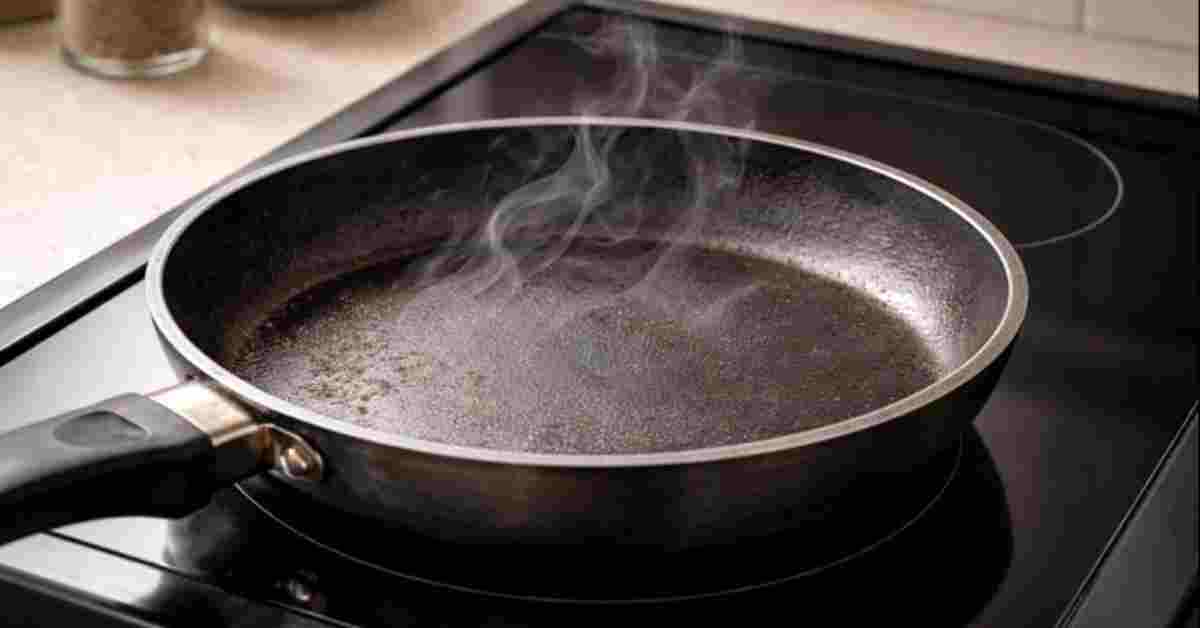
Why Some Pans Smoke At Low Heat?
Some pans smoke at low heat because leftover oil residue, seasoning buildup, or manufacturing coatings are burning off well below normal cooking tempe…
Read Review →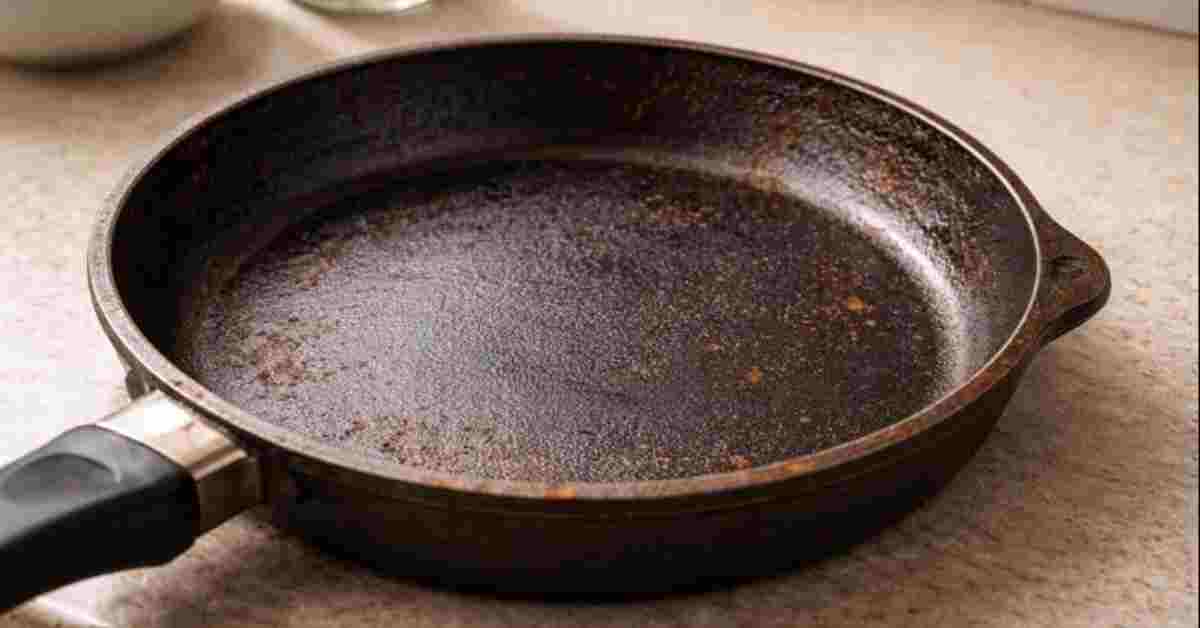
Why Cookware Rusts Even After Drying?
Cookware can rust even after drying because microscopic moisture remains trapped in pores, seams, or scratches, especially on cast iron and carbon ste…
Read Review →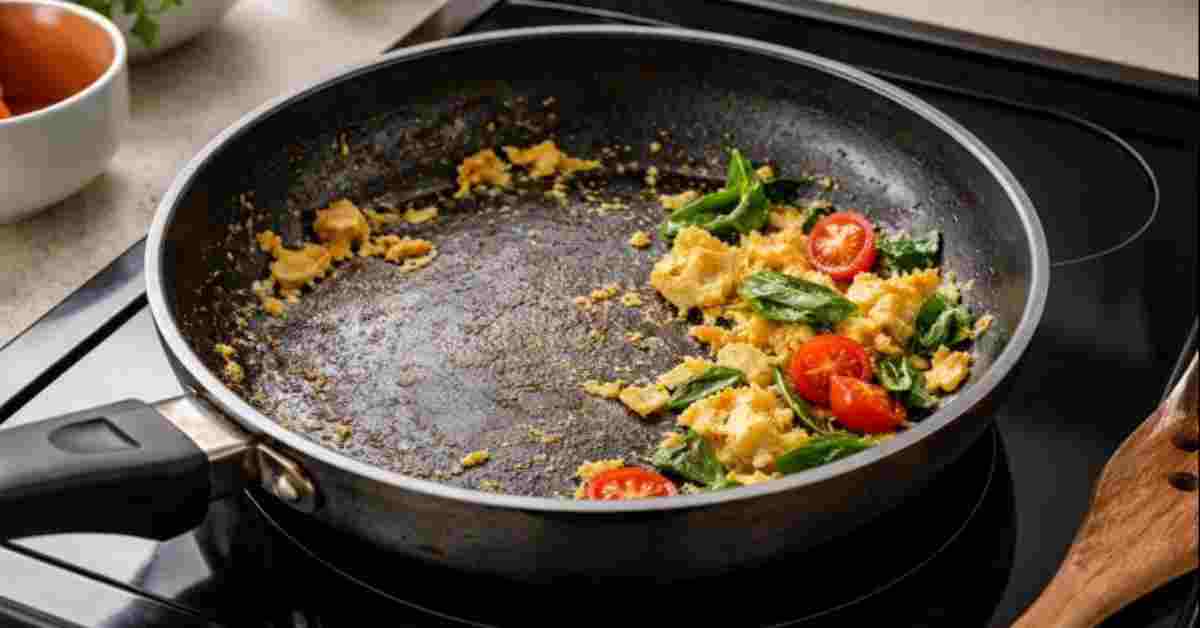
Why Food Suddenly Starts Sticking To Nonstick Pans?
Food suddenly starts sticking to nonstick pans because the coating has worn down, been scratched, or become damaged by high heat and abrasive cleaning…
Read Review →