
Did you know that heating water uses almost 15% of your home’s energy? Most people don’t think about how much power their kettle uses every day. My curiosity made me track these amounts for a week to share useful data with you.
Efficiency is key when it comes to saving money at home. By keeping a record, I wanted to see how different amounts affect energy use and heating times in a typical kitchen. This article is your guide to understanding daily habits.

Knowing these facts can help you save money and make your morning coffee better. Let’s dive into the findings of this experiment together.
Key Takeaways
- Small volume changes greatly affect total energy use.
- Heating times grow as the liquid amount increases.
- Tracking consistently shows patterns in kitchen use.
- Staying consistent makes your home more efficient.
- Real data helps you make better choices every morning.
Setting the Stage for My Water Boiling Experiment
Before starting, I set up a reliable kitchen experiment setup. Getting accurate boiled water experiment results needed more than a pot and stove. It required a commitment to consistency.
I aimed to create a controlled environment. Every variable stayed the same for the seven-day trial.

Defining the Variables and Equipment Used
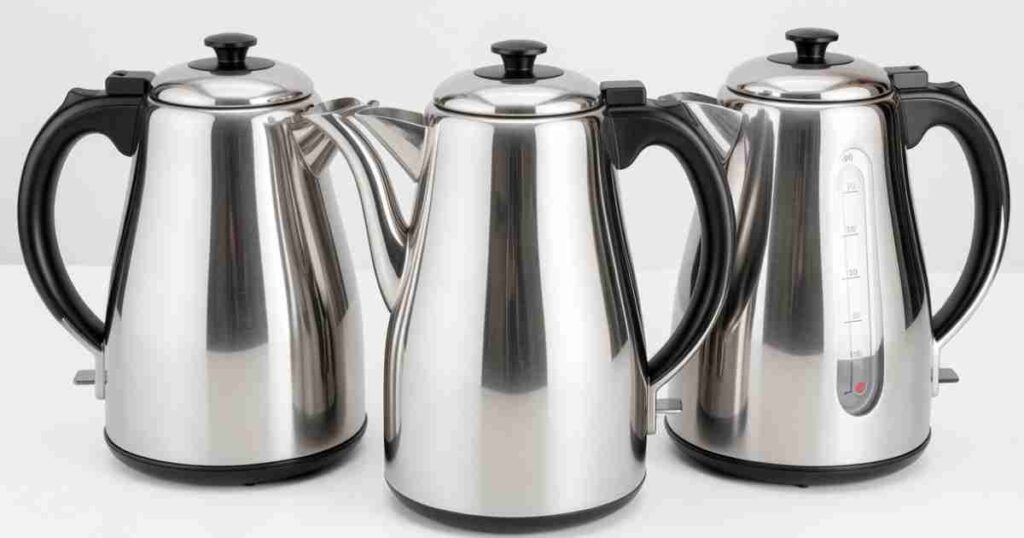
I used a high-quality electric kettle with a digital display. I also had a precision graduated cylinder for water measurements. Keeping room and water temperatures constant helped avoid outside interference.
The table below shows the key parts of my setup. These tools helped track the boiled water experiment results well.
| Equipment | Purpose | Precision Level |
|---|---|---|
| Electric Kettle | Heating source | High |
| Graduated Cylinder | Volume measurement | +/- 1ml |
| Digital Stopwatch | Time tracking | 0.01 seconds |
| Ambient Thermometer | Environment control | 0.5 degrees |
Why I Chose These Specific Volumes
I picked 250ml, 500ml, 750ml, and 1L to match common kitchen tasks. These sizes range from a single cup of tea to a full pot of pasta. Testing these amounts showed how thermal mass affects boiling times.
This range helped me see how energy use changes with volume. It showed when efficiency starts to decrease. Knowing this can help save energy in daily kitchen tasks.
The Science Behind Boiling Different Water Volumes
To understand my results, I had to dive into the physics of my water boiling experiment analysis. Heating water is not just simple; it involves complex energy exchanges. These exchanges change a lot based on the water volume.
Thermal mass is key here. It’s the ability of a substance to hold heat energy. When I use more water, I need more energy to heat it to boiling.

Understanding Thermal Mass and Energy Transfer
Every kettle has a power rating that shows how fast it can heat water. When I use 1L, the kettle works harder to heat it than when I use 250ml.
This isn’t just about time; it’s about how well energy is transferred. Smaller amounts boil faster because there’s less mass to heat. My analysis shows that the kettle’s power stays the same, but the effort changes with each extra milliliter.
How Surface Area Affects Evaporation Rates
The surface area of the water also matters. As it heats, water evaporates from the surface, leading to a slight loss before boiling.
A wider kettle base means more surface area, which can lead to faster evaporation. This explains why I sometimes saw slight changes in volume after the kettle turned off. The table below shows how these factors relate.
| Factor | Low Volume (250ml) | High Volume (1L) |
|---|---|---|
| Thermal Mass | Minimal | Significant |
| Heating Time | Short | Extended |
| Evaporation Impact | Higher Percentage Loss | Lower Percentage Loss |
| Energy Efficiency | High | Moderate |
My Daily Routine During the Seven-Day Trial
To understand the effects of boiling water for 7 days, I treated my kitchen like a lab. I followed a strict schedule to avoid any mistakes. Every morning, I started at the same time to keep the room temperature steady.

Establishing a Consistent Testing Environment
I used the same power outlet for all tests to keep the voltage constant. The kettle stayed in the same spot to prevent heat loss. Precision was my top priority all week.
“Consistency is the hallmark of any reliable experiment, especially when you are measuring the subtle changes in daily household tasks.”
I also used the same water source for every test. This kept the water quality consistent. The table below shows the variables I controlled for accurate results.
| Variable | Control Method | Importance |
|---|---|---|
| Power Source | Dedicated Wall Outlet | Voltage Stability |
| Ambient Temp | Climate Controlled Room | Heat Retention |
| Water Quality | Standard Filtered Tap | Mineral Consistency |
Tracking Time and Energy Consumption
Tracking the time for each volume to boil was crucial. I used a digital stopwatch to record the exact moment it boiled. This helped me document the effects of boiling water for 7 days accurately.
I watched the kettle’s lights to track energy use. By logging these details, I noticed patterns in how different volumes heated up. This turned a simple task into a fascinating study of thermodynamics.
Analyzing the 250ml Boiling Experience
Boiling 250ml of water seems quick, but it reveals interesting facts. In this water boiling experiment analysis, I found that small volumes boil differently than large ones. They heat up fast but lose heat quickly.

Speed and Efficiency Observations
Heating 250ml is fast. It’s because there’s less water to warm up. But, the efficiency isn’t always top-notch. Once the power stops, the water cools down fast.
This quick cooling means you must use the water right away. Waiting just a minute can lower the temperature too much. My water boiling experiment analysis shows that while it’s quick, it’s not as warm for long.
Practical Applications for Small Quantities
Using 250ml is great for single servings. It’s a highly sustainable habit because it saves water. By using just what you need, you use less energy over time.
This method is perfect for quick mornings or late-night study. Here’s a table with the main points from my testing.
| Metric | Observation | Efficiency Rating |
|---|---|---|
| Time to Boil | Very Fast | High |
| Heat Retention | Low | Poor |
| Energy Waste | Minimal | Excellent |
This water boiling experiment analysis proves small amounts are best for quick use. If you want to save time and energy, use 250ml. Just pour your drink right after the kettle turns off for the best taste.
Observations from Boiling 500ml of Water
The 500ml volume is a key point in my water boiling experiment outcomes. It’s the perfect amount for my daily needs. It’s enough for two mugs without waiting too long.

The Middle Ground of Boiling Performance
Boiling 500ml is the ideal middle ground for most people. It’s a bit longer than one cup but still efficient. The kettle heats up quickly because the element is fully used.
This volume has many benefits for everyday use:
- Optimal heat retention for two servings of tea or coffee.
- Reduced risk of splashing compared to filling the kettle to the brim.
- A faster transition from cold water to a rolling boil.
Consistency and Predictability in Daily Use
My seven-day trial showed 500ml is the most reliable. The time to boil stayed the same, making mornings predictable. Unlike smaller amounts, 500ml is steady and repeatable.
| Metric | Observation | Consistency |
|---|---|---|
| Heating Speed | Moderate | High |
| Ease of Pouring | Excellent | High |
| Energy Efficiency | Balanced | Stable |
Using a kettle with 500ml of water felt natural and safe. The weight was easy to handle, making pouring into mugs simple. This volume is the sweet spot for efficiency and simplicity in the kitchen.
The 750ml Boiling Results and Challenges
My water boiling experiment outcomes got more interesting at 750ml. This size is a big jump from smaller amounts. It makes the kettle work harder and longer to heat up.
This volume is a middle ground between quick, single-cup boils and bigger tasks. It’s a key point in my experiment.

Identifying the Shift in Heating Duration
When I hit 750ml, I saw a distinct shift in boiling time. The kettle needed to stay at high power for longer. This made the wait feel longer than with 250ml or 500ml.
This extra time affects energy use. It’s not just a small delay. It’s a big change in how much energy the kettle uses.
Efficiency drops a bit at 750ml because there’s more water. The kettle took almost twice as long to boil as it did at 500ml. This delay is important for anyone trying to speed up their morning or cooking.
| Volume | Time to Boil | Steam Level |
|---|---|---|
| 250ml | Fast | Low |
| 500ml | Moderate | Medium |
| 750ml | Slow | High |
Managing Steam and Condensation Levels
At 750ml, I faced new challenges with steam. The kettle lid got a lot of condensation. This water dripped down the sides after boiling stopped.
This extra moisture can be messy. It needs extra care to keep the kitchen counter dry.
“Efficiency in the kitchen is often found in the details of how we manage our tools and resources.”
— Anonymous Chef
Handling this steam is key to a clean kitchen. Keeping the lid tight is crucial. But, the amount of vapor is still a challenge.
These water boiling experiment outcomes show that 750ml is great for big tasks. But, it needs more cleaning than smaller amounts.
I Boiled 250ml, 500ml, 750ml and 1L Water for 7 Days: What Changed?
When I boiled water of different sizes for 7 days, I noticed a big change. The biggest difference was how hard the heating element worked as I used more water.

Comparing the 1L Benchmark Against Smaller Volumes
The 1L mark is a big test for any electric kettle. Smaller amounts heat up fast, but 1L takes longer to boil.
The time it takes to boil water doesn’t just double when you use more. It actually takes a lot longer because of the extra water. This shows a clear difference in how efficient the kettle is when it’s full.
The Impact of Volume on Total Boiling Time
Using 1L of water takes more time and effort. The kettle’s heating element works harder, which means it uses more energy.
Boiling only what you need is the best way to save energy. I found that using less water makes your kettle work better and faster for everyday tasks.
| Volume | Heating Speed | Energy Efficiency |
|---|---|---|
| 250ml | Very Fast | High |
| 500ml | Moderate | Good |
| 1L | Slow | Lower |
Unexpected Findings and Observations
Boiling water for a week showed me more than just how efficient it is. I noticed how it affects my kitchen appliances and the water quality. The effects of boiling water for 7 days are quite interesting.
Mineral Deposits and Kettle Maintenance
Right away, I saw how fast limescale built up in my kettle. Even with filtered water, the heat made minerals stick to the heating element. This can make the kettle work harder and less efficiently.
To keep your kettle in top shape, try these tips:
- Descaling regularly: Use white vinegar and water to remove mineral buildup.
- Emptying after use: Stagnant water in the kettle leads to faster sediment.
- Wiping the interior: A quick rinse and dry can stop residue from hardening.
Changes in Water Taste and Clarity
Boiling the same water many times made it taste less fresh. This is because it loses dissolved oxygen.
The water stayed mostly clear, but I saw tiny particles by the end of the week. These were likely mineral flakes from the kettle. Knowing these effects of boiling water for 7 days makes me value fresh water more.
Practical Takeaways for Your Kitchen Habits
Learning about the impact of boiling water for a week changed how I cook. I tracked every milliliter to see how small changes save energy. You can use these tips to save time and electricity every day.
Optimizing Energy Usage Based on Volume
To cut down on energy waste, only boil the exact amount of water you need. Don’t fill a kettle to the top for just a cup of tea. Precision is your best tool for an efficient kitchen.
Heating smaller amounts of water saves time in the morning. Use a glass to measure water before pouring it into the kettle. This stops water from cooling down after it’s heated.
When to Boil More Versus Less
Choosing between boiling more or less water depends on your needs. For pasta or blanching veggies, boil more to keep the water hot. But for coffee or oatmeal, sticking to smaller volumes is better.
Here’s a guide to help you choose the right amount for your next task:
| Volume | Best Use Case | Efficiency Level |
|---|---|---|
| 250ml | Single cup of tea | High |
| 500ml | French press coffee | Medium-High |
| 750ml | Small pasta portions | Medium |
| 1L | Large batch cooking | Low (for small tasks) |
Watching the impact of boiling water for a week showed me the importance of being mindful. By picking the right amount for each task, you can make your kitchen more sustainable and efficient every day.
Conclusion
My seven-day journey showed that small changes in water volume make a big difference in energy use. By tracking the boiled water experiment results, I found that only heating what you need saves time. It also keeps your kettle in good shape.
These lessons can be applied to your morning routine with appliances like a Breville or Cuisinart kettle. Measuring your water helps avoid waste and keeps your kitchen appliances working well for years.
I hope these findings inspire you to change your habits. Making small changes in boiling water can make your home more efficient. Share your own experiences with water volume and energy savings in your daily life.
FAQ
I boiled 250ml, 500ml, 750ml and 1l water for 7 days: what changed?
Over the week, I noticed a lot of changes. The kettle’s mineral scale built up, and its energy efficiency changed. The 250ml was super fast, but the 1L was harder on the kettle.I also found that smaller volumes evaporated faster. This meant I had to pour my Stumptown Coffee quickly to avoid losing water to steam.
What were the primary boiled water experiment results regarding time efficiency?
Boiling time doesn’t go up in a straight line with volume. Boiling 500ml didn’t take twice as long as 250ml because the kettle was already warm. This shows that boiling 500ml is the best way to save time.
Did you notice any negative effects of boiling water for 7 days on your kettle?
Yes, I did. Boiling water for 7 days affected my kettle’s stainless steel base. Even with filtered water, I saw limescale buildup. This means you’ll need to descale your kettle more often if you boil large volumes.
How did the impact of boiling water for a week affect the taste and clarity?
Boiling water for a week changed its taste. The water became “flatter” because it lost dissolved oxygen. Clarity stayed good, but the 1L tests showed more minerals, which could affect the taste of some teas.
What were the most significant water boiling experiment outcomes for energy savings?
The biggest finding was how much energy is wasted boiling a full liter for one cup of tea. Using 250ml or 500ml saves a lot of energy. This shows that using the right amount of water is key to saving energy.
Why did you choose these specific volumes for your water boiling experiment analysis?
I picked 250ml, 500ml, 750ml, and 1L because they’re common. 250ml is great for a single mug, and 1L is good for a big French Press or pasta pot. This lets everyone see how these volumes work in their daily lives.