Florida’s Food Forest Cookbook: 400 Healthy Recipes
At a Glance Florida's Food Forest Cookbook offers 400 healthy, no-waste recipes specifically crafted for 20 popular perennial plants grown in food forests. Published by Pineapple Press and releas…
At a Glance
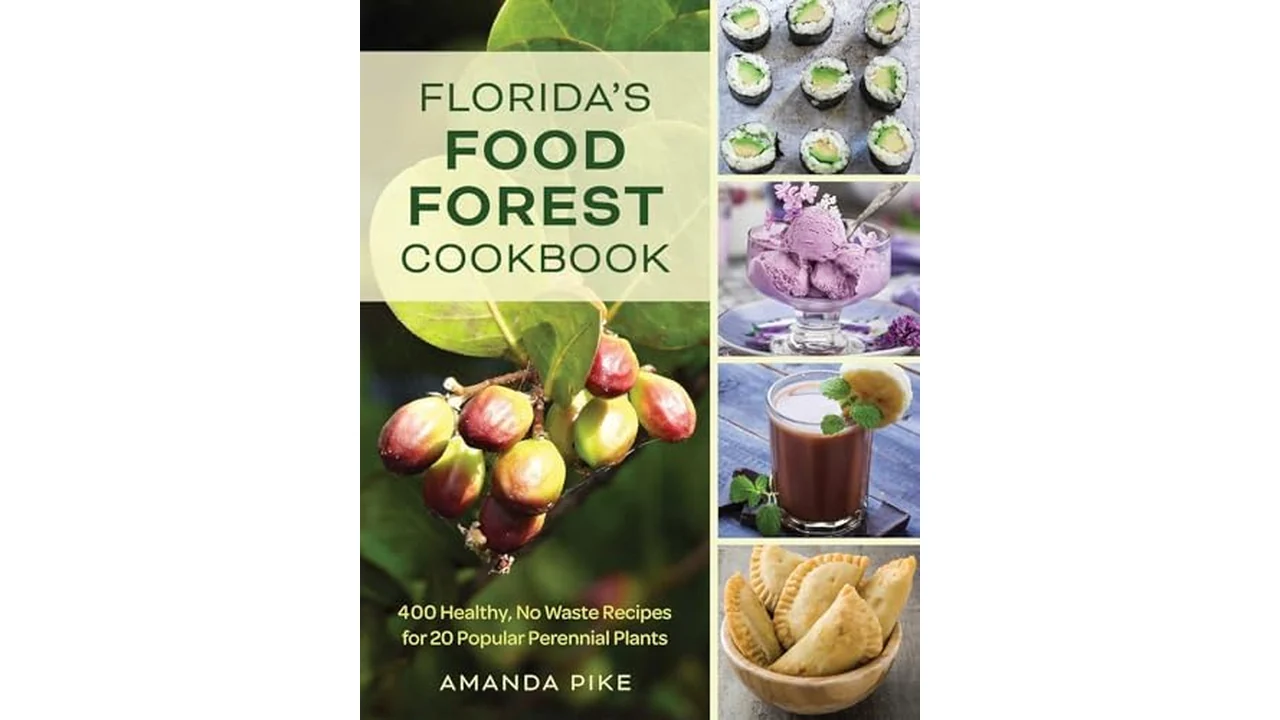
Florida's Food Forest Cookbook offers 400 healthy, no-waste recipes specifically crafted for 20 popular perennial plants grown in food forests. Published by Pineapple Press and releasing April 7, 2026, this regional cookbook integrates Florida's local produce with international culinary influences. The recipes enable home gardeners to transform their perennial harvest into nutritious meals while minimizing kitchen waste.
- Are you looking to unlock the full potential of your garden harvest with delicious and sustainable recipes? Discover the secrets to transforming your homegrown perennial plants into culinary delights with the innovative Florida’s Food Forest Cookbook: 400 Healthy, No-Waste Recipes for 20 Popular Perennial Plants. This comprehensive guide is designed for anyone passionate about reducing food waste and enjoying vibrant, healthy meals from their own backyard.
- Cookbooks, Food & Wine: This classification highlights the book’s focus on culinary arts and its potential appeal to food enthusiasts.
- Regional & International: Suggests a breadth of recipes that cater to specific regional tastes while also exploring international influences.
- Publisher: Pineapple Press: Indicates a reputable publisher known for producing quality content.
- Publication date: April 7, 2026: Points to a recent or upcoming release, suggesting fresh content and modern approaches to cooking.
- 400 Healthy, No-Waste Recipes: This is a standout feature, offering an extensive collection of recipes focused on both well-being and sustainability.
- 20 Popular Perennial Plants: The specific focus on perennial plants makes it ideal for gardeners who want to maximize their harvests from long-living plants.
- Extensive Recipe Collection: With 400 healthy, no-waste recipes, this cookbook offers incredible value and variety for any home cook.
- Focus on Sustainability: The emphasis on no-waste recipes is highly commendable, promoting eco-friendly practices in the kitchen.
- Perennial Plant Specialization: Targeting 20 popular perennial plants makes this cookbook particularly useful for gardeners who invest in long-term edible landscaping.
- Health-Conscious Approach: The inclusion of “healthy” in the recipe descriptions suggests a focus on nutritious and wholesome ingredients, aligning with modern dietary trends.
- Regional Appeal: Being categorized under “Regional & International” indicates that the recipes are likely tailored to specific growing conditions and palates, potentially making them more approachable for a target audience.
- Recipe Volume and Diversity: The sheer volume of 400 recipes ensures that users will have a continuous source of inspiration throughout the year, especially for the 20 featured perennial plants. This breadth is a significant performance indicator for a cookbook.
- No-Waste Methodology: The commitment to no-waste recipes demonstrates a strong performance in promoting sustainable culinary practices. This aspect directly addresses a growing consumer concern for environmental impact.
- Health Focus: The “healthy” descriptor suggests a consistent performance in offering recipes that are nutritionally balanced, likely incorporating fresh produce and minimizing processed ingredients.
- Plant Specificity: The specialized focus on 20 popular perennial plants indicates a high level of performance in catering to a niche but dedicated audience of gardeners and permaculture enthusiasts. This precision allows users to effectively utilize their specific harvests.
- Categorization: Its placement within “Cookbooks, Food & Wine” and “Regional & International” categories suggests a well-defined performance in delivering relevant content for specific culinary interests and geographical contexts.
- Home gardeners who cultivate perennial edible plants and want to make the most of their harvest.
- Individuals interested in sustainable living and reducing food waste in their households.
- Cooks seeking healthy meal ideas that are both delicious and nutritious.
- People living in or interested in the culinary traditions and plant varieties common in Florida and similar climates, given the “Regional” classification.
- Enthusiasts of the Food & Wine category looking for unique recipe collections beyond mainstream ingredients.
- Number of Recipes: The substantial count of 400 recipes signifies a high value and extensive resource for your kitchen.
- No-Waste Focus: Prioritize cookbooks that actively promote reducing food waste, a key tenet of sustainability.
- Healthy Ingredients and Preparation: Look for recipes that emphasize wholesome ingredients and balanced nutritional profiles.
- Specific Plant Coverage: Ensure the 20 perennial plants covered align with what you grow or aspire to grow.
- Regional Relevance: If you are in a similar climate, a regional focus can mean more accessible and practical recipes.
- Your Garden’s Produce: Does the cookbook cover the perennial plants you actually grow? The focus on 20 specific plants is crucial for practical application.
- Dietary Needs: While described as “healthy,” review recipes for suitability with your personal dietary requirements (e.g., vegetarian, gluten-free options).
- Cooking Skill Level: The broad classification suggests a range of recipes, from beginner-friendly to more complex dishes. Consider your comfort level in the kitchen.
- Geographical Location: The “Regional” aspect implies recipes suited for Florida. If you are in a vastly different climate, some plant recommendations or growing tips might need adaptation.
Key Features That Stand Out

Florida’s Food Forest Cookbook: 400 Healthy, No-Waste Recipes for 20 Popular Perennial Plants
Buy Now on AmazonWhat We Like
Performance Analysis
Best For
Buying Guide
Key Features to Look For
When considering the Florida’s Food Forest Cookbook: 400 Healthy, No-Waste Recipes for 20 Popular Perennial Plants, pay close attention to the following features:Important Materials
While the specific materials of the cookbook itself (like paper type or binding) are not detailed in the provided features, the content focuses on culinary materials. The recipes will likely guide you in using fresh produce from perennial plants, alongside common pantry staples. The “no-waste” approach suggests creative utilization of often-discarded parts of plants, like stems, leaves, and peels.Essential Factors to Consider
Budget Planning
As a specialized cookbook with a large volume of recipes, the Florida’s Food Forest Cookbook is likely positioned as a premium resource. While an exact price isn’t provided, expect it to be a worthwhile investment for its depth and unique focus, especially when compared to purchasing individual recipes or less comprehensive guides. Consider the value of saving money by reducing food waste and utilizing your homegrown produce effectively.When to Buy
With a publication date of April 7, 2026, this book is a future purchase. However, if you are an avid gardener planning for the upcoming seasons, it’s wise to mark this date and consider purchasing it in advance. The spring publication aligns well with the start of many growing seasons, allowing you to dive into fresh recipes as your plants begin to yield.Frequently Asked Questions
What makes this cookbook different from others?
This cookbook stands out by focusing specifically on 400 healthy, no-waste recipes for 20 popular perennial plants, offering a unique approach to sustainable and productive home gardening and cooking.Are the recipes suitable for beginners?
While not explicitly stated, the broad categorization of “Cookbooks, Food & Wine” and “Regional & International” suggests a diverse range of recipes that likely cater to various skill levels, from novice to experienced cooks.What kind of perennial plants are covered?
The cookbook features recipes for 20 popular perennial plants, implying a selection that is likely well-suited to regional climates and commonly grown in edible landscapes.Is the “no-waste” aspect practical?
The emphasis on no-waste recipes is designed to be practical by offering creative ways to use all edible parts of plants, thereby minimizing food waste and maximizing the value of your harvest.Will these recipes work in my region if I don’t live in Florida?
The “Regional” aspect suggests a focus on Florida’s climate and flora. However, many perennial plants are grown in various regions, and the core principles of healthy, no-waste cooking are universally applicable, though some plant-specific recipes might require adaptation.What is the publication date of this book?
This cookbook is set to be published on April 7, 2026, making it a relatively new or upcoming release.Final Thoughts
The Florida’s Food Forest Cookbook promises an extensive and valuable resource for anyone looking to maximize their homegrown perennial harvests sustainably and healthily. Its focus on 400 no-waste recipes for 20 specific plants offers a unique and practical approach to culinary creativity. Ready to Purchase?