Is The Air Fryer Coating Safe? (Pfas Concerns)
At a Glance Air fryer coatings often contain PFAS chemicals, which can leach into food if the non-stick surface is scratched, overheated, or worn down, raising health concerns. Safer options include a…
Air fryer coatings often contain PFAS chemicals, which can leach into food if the non-stick surface is scratched, overheated, or worn down, raising health concerns. Safer options include air fryers labeled PFAS-free, PFOA-free, and PTFE-free, typically featuring ceramic, stainless steel, or enamel coatings. To reduce risk, avoid using metal utensils, never preheat an empty basket, and replace the appliance if the coating shows any damage or peeling.
Many people love air fryers for making crispy food fast. You might be wondering if the non-stick coating on your air fryer basket is truly safe for your family. This is a common question, especially with news about certain chemicals.
Understanding Is the Air Fryer Coating Safe? (PFAS Concerns) matters because what you cook on can affect what ends up in your food. We’ll break down what you need to know about these coatings and how to make healthier choices for your kitchen.
Key Takeaways
- Many air fryer coatings use PFAS chemicals, which are a concern for health.
- PFAS can potentially leach into food, especially if the coating is scratched or overheated.
- There are safer alternatives and ways to use your air fryer to minimize risks.
- Looking for PFOA-free and PTFE-free options is a good first step.
- Proper care and avoiding damage to the coating are crucial for safety.

Understanding Air Fryer Coatings and PFAS
Air fryers are popular for a reason. They cook food quickly and make it nice and crispy. Most air fryer baskets have a non-stick coating.
This coating is usually made from materials like polytetrafluoroethylene (PTFE). PTFE is a type of PFAS, which stands for per- and polyfluoroalkyl substances. These are man-made chemicals used to make things waterproof and non-stick.
While they work well for cooking, there’s growing concern about Is the Air Fryer Coating Safe? (PFAS Concerns).
PFAS chemicals have been around for a long time. They are used in many products, not just cookware. Think of raincoats, stain-resistant carpets, and even some food packaging.
The reason people worry about them is that they don’t break down easily. This means they can build up in the environment and in our bodies over time. So, when we ask Is the Air Fryer Coating Safe?
(PFAS Concerns), we’re thinking about whether these chemicals can get into the food we eat.
The main worry is that PFAS can get into your food. This is more likely to happen if the non-stick coating is damaged. If the coating is scratched or worn out, tiny particles of PFAS could flake off into your meals.
Also, if you heat the air fryer too high for too long, the coating might break down faster. This is why understanding Is the Air Fryer Coating Safe? (PFAS Concerns) is important for making informed choices about kitchen appliances.

Why PFAS in Cookware is a Concern
The health risks associated with PFAS are a big reason why people question Is the Air Fryer Coating Safe? (PFAS Concerns). Studies have linked exposure to certain PFAS with health problems.
These can include issues with the immune system, increased cholesterol levels, and a higher risk of certain cancers. While the amount of PFAS that might transfer from an air fryer is usually small, the concern is about cumulative exposure. We are exposed to PFAS from many sources, and even small amounts can add up.
One specific PFAS chemical that was commonly used in non-stick coatings was PFOA (perfluorooctanoic acid). PFOA was phased out by many manufacturers in the early 2000s due to health concerns. However, many PFAS chemicals still exist and are used.
When asking Is the Air Fryer Coating Safe? (PFAS Concerns), it’s important to know that not all PFAS are the same. But the general class of chemicals is under scrutiny.
The fact that they are persistent means they stay in the environment and our bodies for a long time.
The potential for PFAS to leach into food is the primary driver behind the question, Is the Air Fryer Coating Safe? (PFAS Concerns). Even small amounts can be a worry when you consider how often we use our air fryers.
This concern leads many consumers to seek out cookware that is free from these chemicals or made with safer alternatives. The goal is to enjoy convenient cooking without compromising health.

Identifying PFAS-Free Air Fryer Options
If you’re concerned about PFAS, you’ll want to know how to find air fryers that are safer. The good news is that more manufacturers are offering PFAS-free options. When you’re shopping, look for terms like “PFOA-free” and “PTFE-free.” These indicate that the coating does not contain those specific, well-known PFAS chemicals.
However, it’s important to remember that “PTFE-free” doesn’t always mean entirely PFAS-free, as other types of PFAS might still be used. This is why the question Is the Air Fryer Coating Safe? (PFAS Concerns) requires a bit of digging.
One common alternative to PFAS coatings is ceramic. Ceramic coatings are often made from natural materials and are considered a safer choice by many. They offer good non-stick properties without the chemical concerns.
Another option is stainless steel. While stainless steel isn’t naturally non-stick, it’s very durable and safe. Some air fryers use a combination of materials, or have baskets made entirely of stainless steel or ceramic.
Always check the product description carefully when asking Is the Air Fryer Coating Safe? (PFAS Concerns).
Here’s a quick guide to help you choose safer coatings:
- Look for “PFOA-Free” and “PTFE-Free”: These are good starting points, but check if the manufacturer specifies “PFAS-Free” for more assurance.
- Consider Ceramic Coatings: These are often made from natural minerals and are a popular safe alternative.
- Opt for Stainless Steel: While not non-stick, stainless steel is durable and safe. You might need to use a little oil or parchment paper for certain foods.
- Read Reviews and Manufacturer Information: Reputable brands will be transparent about their materials. They will often address concerns about Is the Air Fryer Coating Safe? (PFAS Concerns).

How to Use Your Air Fryer Safely
Even if your air fryer has a non-stick coating that might contain PFAS, there are ways to use it more safely. Proper care and usage can minimize the risk of the coating breaking down and transferring chemicals to your food. This is essential for anyone who wonders, Is the Air Fryer Coating Safe?
(PFAS Concerns), and wants to use their appliance with peace of mind.
First, always follow the manufacturer’s instructions for preheating and cooking temperatures. Overheating can damage the non-stick coating more quickly. Avoid using excessively high heat settings unless specifically recommended for a recipe.
The goal is to keep the coating intact for as long as possible.
Second, be gentle when cleaning your air fryer basket. Never use abrasive scrubbers, steel wool, or harsh cleaning chemicals. These can scratch and damage the non-stick surface.
Use a soft sponge or cloth with warm, soapy water. If food is stuck, soak the basket for a bit before cleaning. Gentle cleaning is key to answering the question Is the Air Fryer Coating Safe?
(PFAS Concerns) with confidence.
Next, avoid using metal utensils inside the air fryer basket. Spatulas, forks, or knives can easily scratch the coating. Stick to silicone, wood, or plastic utensils when removing food.
This simple step makes a big difference in preserving the integrity of the non-stick layer. It directly impacts whether Is the Air Fryer Coating Safe? (PFAS Concerns) becomes a real issue.
Then, inspect your air fryer basket regularly for any signs of wear and tear. If you notice deep scratches, peeling, or chipping in the coating, it’s time to consider replacing the basket. A damaged coating is more likely to release particles into your food.
This is a crucial point when considering Is the Air Fryer Coating Safe? (PFAS Concerns).
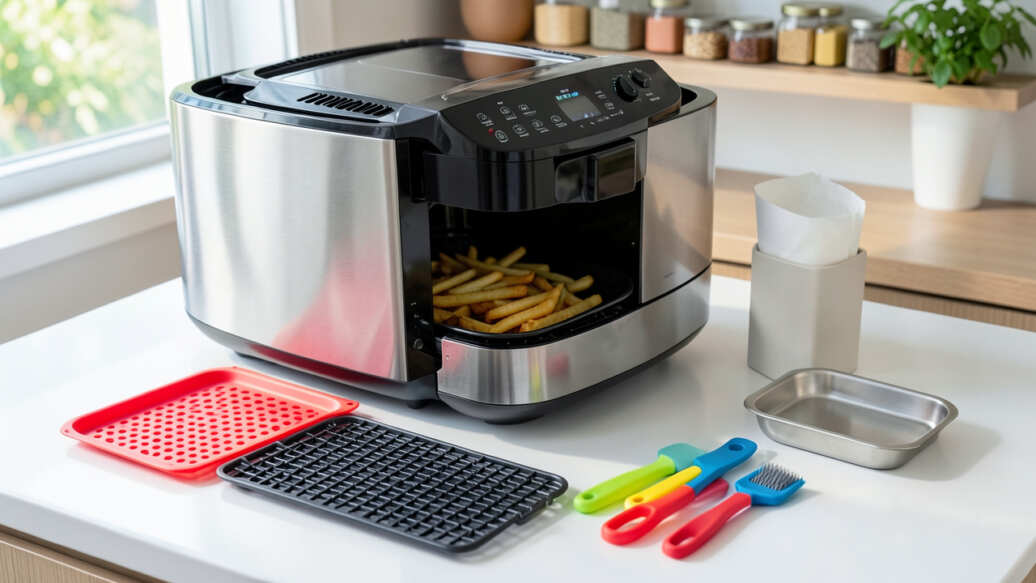
Finally, consider using parchment paper or silicone liners designed for air fryers. These create a barrier between your food and the basket’s coating. This not only keeps your basket cleaner but also further reduces the chance of any potential PFAS transfer.
This is a practical step for anyone concerned about Is the Air Fryer Coating Safe? (PFAS Concerns).

Comparing Air Fryer Coating Materials
When you’re looking to buy a new air fryer or replace a basket, comparing the coating materials is smart. Different materials have different pros and cons, especially when it comes to safety and durability. Understanding these differences helps you make the best choice for your kitchen and your health, directly addressing the question Is the Air Fryer Coating Safe?
(PFAS Concerns).
As you can see from the table, PTFE is the material most directly linked to PFAS concerns. When you ask Is the Air Fryer Coating Safe? (PFAS Concerns), PTFE is often the focus.
Ceramic and stainless steel are generally seen as safer alternatives because they don’t involve PFAS. Making an informed choice based on these materials will help you feel more confident about your cooking.

Healthier Cooking Practices with Air Fryers
Beyond the coating itself, adopting healthier cooking practices can further reduce any potential risks associated with air fryers. These tips are simple to implement and can help you get the most out of your appliance while prioritizing your well-being. Thinking about Is the Air Fryer Coating Safe?
(PFAS Concerns) is one part; how you use the device is another.
Using a little bit of healthy oil, like olive oil or avocado oil, can help food cook evenly and prevent sticking, especially in non-PTFE baskets. This also adds a bit of flavor. Don’t overload the basket.
Overcrowding can lead to uneven cooking and put more stress on the coating as food might stick or rub excessively.
Experiment with different cooking times and temperatures. Sometimes, slightly lower temperatures for a bit longer can achieve the same crispiness without stressing the non-stick surface. Also, consider what you are cooking.
Very acidic foods, like tomatoes or citrus, can sometimes react with certain coatings over time, potentially affecting their integrity. While this is less of a concern with modern, high-quality coatings, it’s something to keep in mind.
Frequently Asked Questions
Question: What are PFAS chemicals in air fryers?
Answer: PFAS are man-made chemicals used in many non-stick coatings, including those in air fryers, to make them repel water and grease.
Question: Is it safe to use an air fryer with a scratched non-stick coating?
Answer: It’s best to avoid using an air fryer with a scratched coating. Scratches can cause the coating to flake off into your food and potentially release PFAS.
Question: Are ceramic air fryer coatings safe?
Answer: Yes, ceramic coatings are generally considered safe and do not contain PFAS chemicals, making them a good alternative for those concerned about Is the Air Fryer Coating Safe? (PFAS Concerns).
Question: What does “PFOA-free” mean for my air fryer?
Answer: “PFOA-free” means the coating does not contain PFOA, a specific type of PFAS that was phased out due to health concerns. However, other PFAS might still be present.
Question: How often should I replace my air fryer basket if it has a non-stick coating?
Answer: Replace your air fryer basket when you notice significant scratches, peeling, or if the non-stick properties start to fail. Regular inspection is key to answering Is the Air Fryer Coating Safe? (PFAS Concerns).
Question: Can I use aluminum foil in my air fryer?
Answer: Yes, you can use aluminum foil, but make sure it doesn’t block the air vents. Parchment paper or silicone liners are also good options to protect the basket and reduce cleaning.

Final Thoughts
When it comes to Is the Air Fryer Coating Safe? (PFAS Concerns), choosing ceramic or stainless steel offers the most peace of mind. If you have a PTFE-coated air fryer, caring for it gently and replacing it if damaged is crucial.
By understanding your options and using your appliance wisely, you can continue to enjoy healthy, crispy meals.